Why thousands of Colorado families are choosing Dallas-Fort Worth
and what you need to know before you join them.
Why Coloradans Are Flocking to North Texas
Something is shifting in the Rockies. Professionals who built careers in Denver, families who planted roots in Colorado Springs, retirees who loved the mountain lifestyle, they’re running the numbers, and the numbers keep pointing the same direction: south.
Texas is now the top destination for Colorado residents leaving the state , with Dallas consistently ranking among the hottest landing spots. This isn’t coincidence. It’s calculation.
The typical Colorado home now tops $529,000, nearly 50% above the national average . Across North Texas, that same dollar buys a newer home in a growing community, often with prices that have been softening since 2024, one of the most favorable entry windows buyers have seen in years. Colorado homeowners sitting on equity are making a move that actually upgrades their quality of life instead of just trading square footage.
The tax picture matters too. Colorado’s flat income tax rate sits at 4.4% on every dollar earned. Cross into Texas and that line item disappears entirely, zero state income tax, more take-home pay, every single paycheck.
North Texas added nearly 1.2 million residents between 2016 and 2024, more than any other major metro in the country. That growth is infrastructure, employers, schools, and development, all compounding in communities that are still priced below what they’ll be worth in five years.
I track those communities. I watch the permit filings, the builder activity, the corridor developments before they hit the news cycle. If you’re a Colorado buyer weighing this move, you don’t need a sales pitch. You need someone five steps ahead of the market who can show you exactly where to land.
What’s Driving the Colorado Exodus to DFW
The Housing Cliff: Denver’s median home hits $630,000. In Waxahachie, that same budget buys more than twice the square footage. Colorado’s mountain lifestyle premium has become a wall most families can’t scale.
The Tax Calculation: Colorado taxes every dollar at 4.4%. Texas takes zero. On a $150,000 income that’s over $5,000 back in your pocket annually and Colorado’s TABOR refunds that used to soften the blow have all but disappeared.
The Job Gravity: Denver’s downtown office vacancy just hit 37%. Palantir just left for Miami. Meanwhile DFW attracted 100 corporate HQ relocations since 2018, and Google committed $40 billion to Texas, with the data center campus right here in Ellis County.
The Cost of Living Reset: Denver runs about 7% more expensive than DFW on a composite basis. Housing drives most of it, but groceries, gas, and daily expenses all tilt toward North Texas. The gap compounds quickly.
The Climate Tradeoff:
Trade 156 freeze nights and 50 inches of snow for 29 freeze nights and real spring. You pick up humidity and heat, North Texas averages 20 days above 100°F, but you lose the ice and altitude for good.
The Growth Momentum: Ellis County grew 25% in five years. Midlothian’s household income tops $126,000. Two school bonds. A new high school under construction. A Loop 9 extension. This isn’t catching up, it’s pulling ahead.
If you’re relocating from Colorado, you’re not just buying a house, you’re making a strategic market entry. And that requires intelligence, not inspiration.
Colorado Buyer Types
The Altitude Fatigued – Professionals and families worn down by long winters, icy commutes, and the physical grind of 5,000+ ft living. Where dry air, altitude headaches, and six months of cold limit daily comfort. They’re trading snow-packed mornings and wildfire smoke seasons for North Texas’s longer shoulder seasons, easier travel, and year-round usability of their homes and neighborhoods.
The Price-Pressure Sellers – Homeowners in Denver, Boulder, and Fort Collins are sitting on some of the nation’s tightest inventory and highest price-per-square-foot markets, where median values often exceed $600K–$800K. They’re cashing out their small, aging homes and stepping into newer, larger construction in communities like Prosper, Celina, or Waxahachie. Gaining space, modern layouts, and land while stabilizing their monthly costs.
The Mobility Seekers – Buyers frustrated with Colorado’s congestion along the Front Range, limited highway expansion, and airport bottlenecks that turn simple trips into all-day events. They’re choosing the Dallas–Fort Worth metroplex for its expanding infrastructure, multiple airport options, and easier regional access that better supports both business and family life.
The Tax-Aware Earners – Dual-income households and remote professionals paying Colorado’s flat ~4.4% state income tax who recognize the long-term drag on earnings and investments. They’re relocating to Texas to eliminate state income tax entirely, redirecting that margin into real estate, portfolio growth, or lifestyle upgrades in one of the country’s most business-friendly environments.
What Coloradans Need To Know Before They Move
Where Colorado Families Are Landing
Most of my Colorado clients aren’t randomly picking a spot on the map, they’re targeting suburbs that feel like a lifestyle upgrade—not a downgrade from what they’re used to along the Front Range. Here are the most common landing zones for Coloradans moving to the Dallas–Fort Worth area:
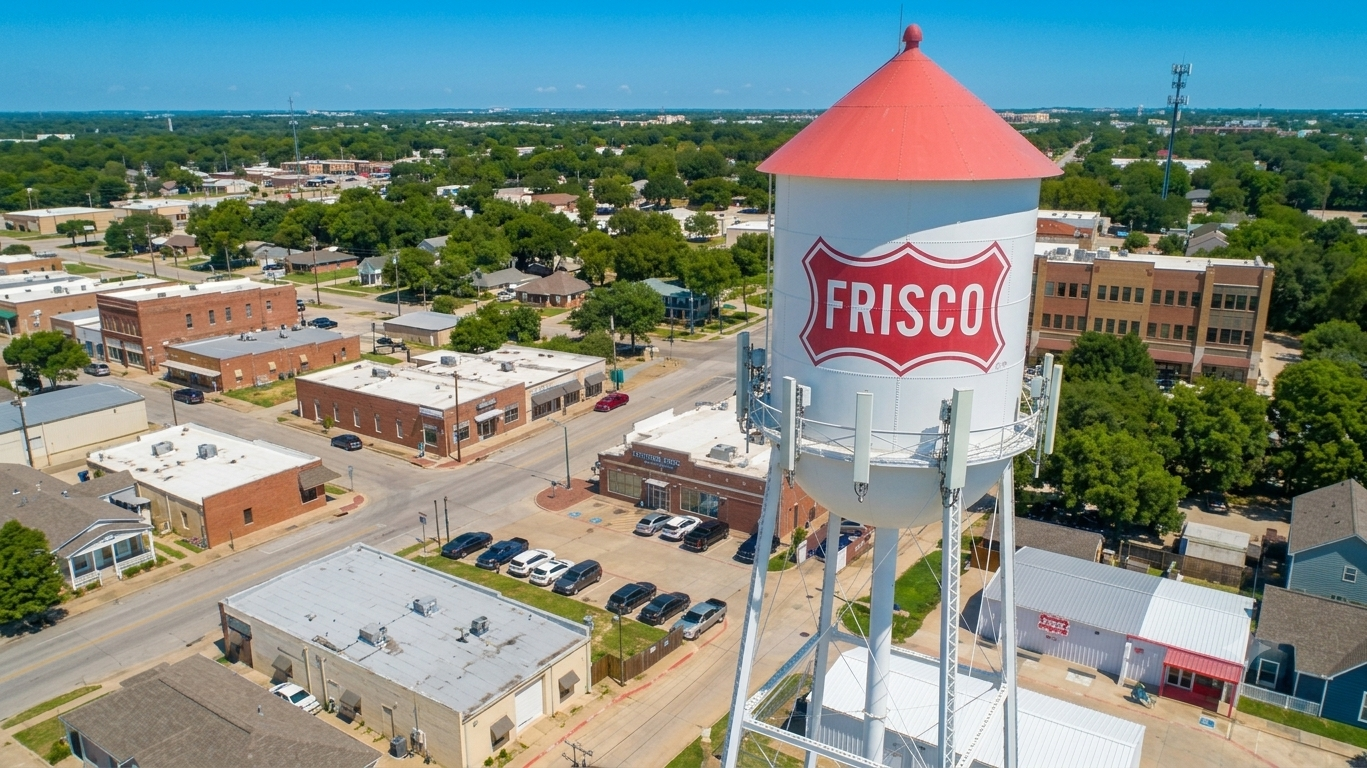
Prosper & Frisco – “Master‑planned, polished, and built for families”
If you’re coming from Highlands Ranch, Lone Tree, or parts of Parker and like newer communities with amenities, trails, and strong schools, Prosper and Frisco will feel very familiar. You’ll find similar master‑planned living with newer construction and highly ranked districts, but with more square footage for the price and without the I‑25 congestion or limited land constraints.
Plano & Allen – “Established, convenient, and easy to live in”
Buyers coming from places like Littleton, Arvada, or Centennial, areas with mature trees, established retail, and a central feel, tend to land here. Plano and Allen offer stability, strong local economies, and shorter commutes to major employers, without feeling like you’re pushed to the outer edge of growth just to find a home.
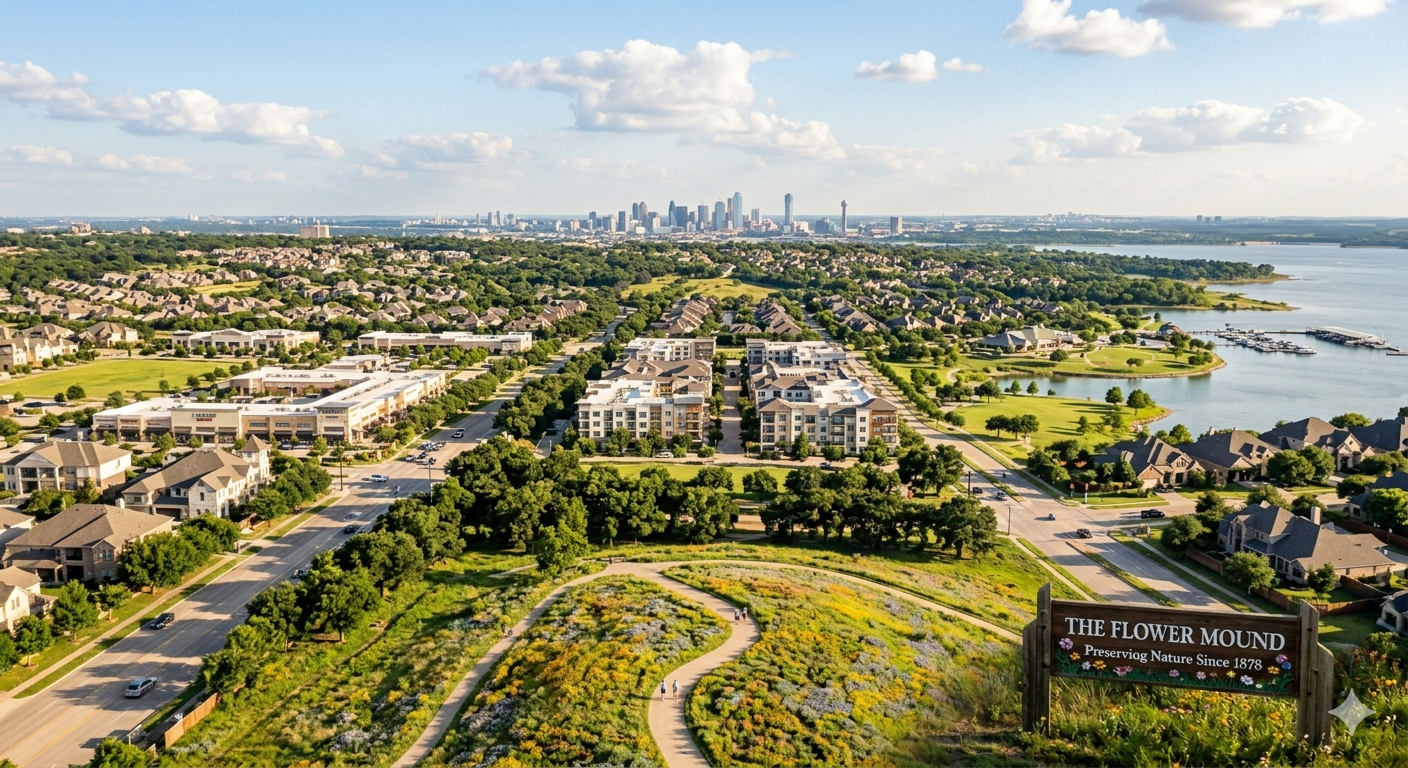
Flower Mound & Southlake – “High-end suburban living with space and access”
If you’re selling in Boulder, Castle Pines, or Cherry Hills Village and want to maintain a more premium lifestyle, this is where many end up. Larger lots, top-tier schools, and a more refined suburban environment, all within close reach of DFW Airport. These areas appeal to Colorado sellers who’ve built significant equity and expect that same level of finish and community.
McKinney, Melissa & North Collin County – “Growth you recognize, without the squeeze”
If you’re coming from fast-growing areas like Erie, Frederick, or Windsor, places that were quieter a decade ago and are now booming, this corridor will feel familiar. You get newer schools, ongoing development, and long-term upside, but at price points that don’t force you to max out your budget the way many Colorado markets now do.
Rural corridors like Waxahachie, Midlothian, & beyond – “Land, flexibility, and breathing room”
For buyers leaving areas like Castle Rock outskirts, Elizabeth, or even Western Slope towns who want acreage, shops, or fewer restrictions. These areas offer significantly more land for the money, fewer zoning headaches, and the ability to build out a property the way you want, while still being within commuting distance to DFW.
Urban Dallas neighborhoods, “City energy without the constraints”
For those coming from Denver proper – LoDo, RiNo, Capitol Hill, or Cherry Creek, who want walkability, restaurants, and nightlife. Uptown, Downtown Dallas, and surrounding neighborhoods offer a similar urban experience with more housing flexibility, fewer space constraints, and a lower barrier to entry than central Denver.
If you tell me what part of Colorado you’re coming from and what you like or don’t like about it, I can usually narrow this down to 2–3 specific DFW (or rural) areas that match your lifestyle and budget pretty closely.
Colorado families moving to DFW often cluster in FIVE distinct zones, each with its own education philosophy, price point, and lifestyle trade-offs.
Unlike other agents who push you toward their farm area, I want you in the RIGHT place, not just ANY place.
Learn More About Coloradan’s’ Favorite North Texas School Districts
—> The FIVE Strategic Zones (click to read)
Some buyers from Colorado choose Texas areas based on lifestyle and values more than a specific city or suburb. Here are four lifestyle “tiers” that tend to fit Colorado families moving to Texas.
Tier 1: “Executive & Top‑School Track” ($750K–$1.6M+)
Best Choices: Southlake/Carroll ISD, Lovejoy ISD (Fairview/Lucas), Coppell, select pockets of Frisco and Plano near flagship campuses.
You’re Getting: A lifestyle that feels familiar if you’re coming from Cherry Creek, Boulder, Castle Pines, or other top‑end Denver suburbs, high‑performing schools, polished neighborhoods, serious club sports and arts, and quick access to DFW Airport. These areas attract executives and business owners, so your neighbors tend to have similar incomes, schedules, and expectations for safety and schools.
You’re Saving: Less on the sticker price and more on the long game. If you’re selling a $1M+ home in Colorado, you’re often buying in a similar or slightly lower range here, but you’re wiping out Colorado’s state income tax and putting that money back into equity, investments, or travel. Over 5–10 years, that tax shift plus strong resale demand in these districts is where the real financial win shows up.
Best For: Dual‑income professional families and executives who want the highest tier of schools and amenities, need to be near a major airport, and prefer moving into a community that feels like a peer to their current Colorado suburb, not a step down.
Tier 2: “Career & Commute Optimizers” ($500K–$900K)
Best Choices: Frisco, Prosper, Allen, central/north Plano, McKinney, Richardson.
You’re Getting: A blend of strong schools, master‑planned neighborhoods, and everyday convenience that appeals to families from Highlands Ranch, Littleton, Broomfield, Arvada, and Fort Collins. You get newer homes or updated established areas, big neighborhood amenities (pools, trails, sports complexes), and multiple job corridors within a reasonable drive, legacy corporate campuses, tech, finance, healthcare, and DFW Airport.
You’re Saving: Often, you’re trading a smaller or older Colorado home in the $600K+ range for a larger, newer home in the $500K–$800K band here, while also opening up more career options in one metro. Monthly payments may be similar once you factor in Texas property taxes, but you’re gaining square footage, amenities, and cutting the “front‑range grind” out of your workday.
Best For: Families who want good schools, but are equally focused on better commutes, more job mobility, and a suburb where most of life—work, kids’ activities, shopping, and healthcare can happen within 15–20 minutes of home.
Tier 3: “Space & Financial Freedom” ($350K–$600K)
Best Choices: Midlothian, Waxahachie, Wylie, Forney, Melissa, parts of North Fort Worth/Keller‑adjacent.
You’re Getting: A real upgrade in space and breathing room if you’re coming from Aurora, Thornton, Commerce City, Brighton, Greeley, or working‑class Denver suburbs. You move into a newer or larger home, often on a bigger lot, with community parks and pools and schools that are solid and improving. The day‑to‑day pace is more small‑town Texas and less “rush‑hour I‑25.”
You’re Saving: This is where the math starts to change your life. Selling a mid‑$500Ks Colorado home and buying in the mid‑$300Ks to low‑$500Ks lets you unlock $75K–$150K+ in equity, reduce your monthly payment in many cases, and eliminate state income tax. That combination can free up cash for paying off debt, building an investment portfolio, or giving one partner the flexibility to change careers or hours.
Best For: Families who want a good, stable school experience for their kids but are primarily motivated by more house, less financial pressure, and a calmer daily rhythm, without giving up access to big‑city jobs and amenities when they want them.
Tier 4: “Land, Lakes, and Lifestyle First” ($250K–$2M+ depending on land)
Best Choices: Lake Whitney area (Whitney, Aquilla, West, Gholson), rural pockets of Ellis/Johnson County, plus lake‑oriented suburbs like Rockwall and Little Elm for those who want water + stronger schools.
You’re Getting: The lifestyle many Colorado families dreamed about, space, toys, and the outdoors, but could never quite afford in places like Steamboat, Breckenridge, or Estes Park. In Texas, that can mean real acreage for animals and workshops, or everyday lake life with a boat in the driveway and sunset views, all within 30–90 minutes of DFW’s jobs, airports, and hospitals.
You’re Saving: Compared to Colorado resort or mountain‑town prices, you’re often spending a fraction for similar “vacation‑style” living. You’re also turning what would have been a second‑home fantasy in Colorado into your primary residence in Texas, while cutting out state income tax and usually keeping your overall cost of living lower.
Best For: Remote workers, semi‑retirees, tradespeople, and adventurous families who value land, water, and freedom to use their property how they want more than they value being near downtown or in the absolute top‑ranked school districts.
Job and Career Opportunities
• Colorado: In and around Denver, it’s common to see solid household incomes still stretched by high home prices and everyday costs. Median home values in the Denver metro have been hundreds of thousands higher than many comparable Dallas‑area suburbs, and Colorado’s flat state income tax further eats into take‑home pay.
• Texas: In North Texas, similar or even slightly lower salaries can feel more powerful because you’re combining no state income tax with generally lower home prices than Denver and many other Front Range cities. Many Colorado buyers discover they can either reduce their monthly housing cost or move into a newer, larger home in a strong‑school suburb without a big jump in payment.
Exact outcomes depend on your role, target suburb, and price point, but for many Colorado households the salary‑vs‑housing trade‑off in DFW ends up looking like a financial upgrade once they compare specific homes and monthly numbers side by side.
North Texas Lifestyle Reality Check
What Colorado Didn’t Prepare You For
1. Cost of Living Isn’t Just “Way Cheaper”, It’s Reshuffled
Guides pitch Texas as lower cost of living overall, but Coloradans are surprised it’s not a clean win across every line. Housing can be noticeably cheaper or deliver more house for the money, but property taxes and insurance hit harder, and utilities and summer A/C can run higher than they’re used to. The net often still favors Texas, but it feels like trading one set of costs (state tax, housing premiums) for another (taxes on the house, energy, insurance), not stepping into a permanent discount world.
2. Losing The Mountains Changes Their Identity More Than They Expected
People know they’re leaving the Rockies, but many Denver families underestimate how much those views and casual access to trails shape their sense of home. They talk about missing “looking west” more than missing a specific resort day; mountains in the backdrop, quick after‑work foothill hikes, and weekend drives up the canyon are deeply emotional habits that don’t have a direct substitute in Texas.
3. Outdoor life shifts from “public land” to “private access and lakes”
Colorado is built around public land: national forests, BLM, and trail systems everywhere. In Texas, the surprise is how much outdoor access revolves around lakes, rivers, and private property, boat ramps instead of trailheads, neighborhood greenbelts instead of huge open spaces, and travel for true “big landscape” experiences like Big Bend or Palo Duro. Many Coloradans end up buying lake gear or boats instead of ski passes.
4. The Humidity and Heat Feel More Draining Than They Imagined
Guides warn about “hotter temps,” but Denver‑area families consistently say the humidity plus long stretches of 95–105°F feels more exhausting than expected. Summer becomes something you plan around, early mornings and late evenings outside, long midday indoor stretches, and much heavier A/C dependence than the thin, dry Colorado heat they’re used to.
5. No State Income Tax Isn’t Magic
Everyone circles “no state income tax” as a big win, and it is, especially at higher incomes. But the surprise is how much of that gain gets offset by higher property taxes, more expensive homeowners insurance in storm‑prone areas, and, in some regions, higher sales tax and fees. Net, many still come out ahead, especially those selling high‑equity Colorado homes, but they’re surprised it’s not a simple “we’re automatically way richer” equation.
6. Job Market Feels Bigger, But Work Culture and Pace Are Different
Colorado has solid tech, aerospace, and health sectors, but movers often describe Texas job markets, Dallas, Austin, Houston, as broader and more corporate, with more Fortune‑500‑style paths and lateral moves. The surprise isn’t just opportunity; it’s culture and pace: more formal business environments in some industries, earlier start times, and longer commutes for people who choose outer suburbs for space.
7. Electricity Is Deregulated (in many areas)
In much of Colorado, you just “have X utility.” In big parts of Texas, the power market is deregulated, so Coloradans are surprised to find themselves comparing per‑kWh rates, contract terms, and companies like they would cell plans. Add in air‑conditioning loads and occasional grid‑strain headlines, and utilities become something they research and manage much more actively than back home.
8. The Pace of Growth and Construction Is On Another Level
Colorado has grown fast, but front‑range growth still feels modest compared to the constant construction and sprawl some CO families encounter around Dallas, Austin, or Houston. Endless new master‑planned communities, widened freeways, and cranes on the skyline surprise people who thought Denver was “booming”, Texas can feel like boom times ×2, especially in North Texas and the Austin corridor.
9. Friendliness Is More Extroverted and Overtly “Neighborly”
Both states have reputations for being friendly, but Coloradans often note that Texans are more outwardly chatty, strangers starting conversations, neighbors dropping by, more overt invites to church, school, or community events. For some, it’s a pleasant surprise and makes it easier to plug in; for others used to Colorado’s more reserved, do‑your‑thing vibe, it’s an adjustment in personal space and social expectations.
10. Regional Identity (and pride) Is Much Louder
Colorado has a strong sense of place around the mountains and “Colorado lifestyle,” but Texas identity is louder and more omnipresent—flags, slogans, state pride, local sports, and food culture all woven into daily life. Many Coloradans are surprised by how quickly conversations pivot to “where in Texas are you from,” college loyalties, barbecue opinions, and high school football allegiances; it’s less subtle and more constant than what they’re used to.
Climate Reality Check
What Colorado buyers actually need to know about Texas weather
Colorado buyers aren’t just trading mountains for flat land—they’re trading one weather rhythm for a completely different one. In Texas, you get longer, hotter warm seasons, more humidity, and a lot more rain and thunderstorms, but you also leave behind most of the snow, ice‑scraping mornings, and long stretches of freezing temps.
The real adjustment isn’t one bad season, it’s learning a new pattern: planning around heat and storms from late spring through early fall, then enjoying mild, easy winters that feel more like Colorado’s shoulder seasons. Once you understand that trade, less winter, more weather drama when it’s warm, you can plan your home, insurance, and daily routine so Texas climate works for you instead of blindsiding you.
What You’re Leaving Behind (Colorado)
Winter Air, Wildfire Smoke, and “Brown Cloud” Days
• Denver and Front Range cities regularly see “unhealthy for sensitive groups” air days in winter and summer, driven by inversions, vehicle emissions, and wildfire smoke.
• Ozone and particulate alerts can mean keeping kids inside, cancelling outdoor practices, or skipping those after‑work runs and rides you moved to Colorado for in the first place.
• In bad fire years, smoke from Colorado and Western wildfires can sit over the Front Range for days, turning blue‑sky mountain views into a gray haze and pushing asthma and allergy symptoms through the roof.
A Wildfire Season That Keeps Creeping Closer to Home
• Front Range and mountain communities are seeing longer fire seasons, more red‑flag days, and a growing list of neighborhoods labeled “wildland–urban interface.”
• Insurance companies are tightening underwriting standards and raising premiums in higher‑risk zones; in some foothill and mountain areas, carriers are pulling back or imposing steeper deductibles and coverage limits.
• For many Colorado homeowners, wildfire risk has shifted from “something that happens in the high country” to “a real factor in where we buy, what we insure, and what our long‑term costs look like.”
Snow, Ice, and the “Storm Lottery” Commute
• Colorado winters mean real snow, black ice, and weeks where your life revolves around storm tracks and road conditions.
• Even in milder Denver years, you’re dealing with snow shoveling, scraping windshields, icy sidewalks, and commutes that can swing from 25 minutes to two hours depending on when a front arrives.
• If you live in a hilly neighborhood or further from downtown, there are entire days where getting up or down your street safely is a real question.
Water Stress and Drought Concerns
• The entire Front Range depends heavily on snowpack and complex water rights; many buyers are now factoring long‑term water security into where they’re willing to put down roots.
• Drought cycles have meant watering restrictions, browning lawns, and a growing sense that “lush, green, all the time” is harder to maintain without feeling guilty or paying significantly more.
• For mountain and semi‑rural properties, well reliability and wildfire‑linked watershed issues are an added worry that didn’t exist at this scale a decade or two ago.
The Lifestyle Trade‑Offs Nobody Discusses
What Texas Weather Gives You
Mild, Useable Winters:
Most winter days in North Texas fall in the 40s–60s, which means patio dinners, park days, and holiday events that don’t require snow boots or ice scrapers. You trade snow days for jacket‑weather evenings and can use your yard and outdoor spaces almost all year. No Mountain Fault Lines or Earthquake Anxiety:
You’re leaving behind the risk that comes with living along major faults and in older housing stock not always designed with strong seismic events in mind. In North Texas, earthquakes aren’t part of the background risk calculation or your insurance stack. Less Day‑to‑Day Smoke and Inversion Stress:
North Texas has its own air‑quality issues, but you’re not living in a bowl pressed up against a mountain range where smoke and winter inversions can sit for days. Air moves, and while you’ll still see occasional air‑quality alerts, it’s not the same “brown cloud over the city” dynamic. Outdoor Living for 8–9 Months a Year:
Patios, pools, porches, and trails actually get used from roughly March through May and again from late September into November. You may shift midday activity in peak summer, but fall, winter, and spring are genuinely outdoor‑friendly seasons. Predictable Patterns You Can Plan Around:
You know the script: hot, stormy warm season; mild winter; quick transitional springs and falls. That predictability makes it easier to plan trips, projects, and kid activities than in a state where big snowstorms, smoke, and fire conditions can all collide in a single year.
What You Give Up (and Have to Adapt To) Immediate Mountain Access:
You won’t be 30–60 minutes from trailheads that jump straight into foothills and alpine terrain. You trade spontaneous mountain hikes and ski days for lake life, state parks, and planned trips back to Colorado or up to Arkansas/New Mexico when you want elevation. Cool, Dry Summer Evenings:
Those perfect 75° Denver evenings with a breeze off the foothills don’t exist here in June–August. North Texas nights stay warmer and more humid, which means evening walks and patio time are still doable, but feel very different than the crisp Colorado air you’re used to. Snow‑Based Lifestyle:
If your family calendar is built around ski passes, powder days, and winter sports, Texas won’t replace that. You can keep the lifestyle by treating Colorado as your vacation destination instead of your primary home, but it becomes a planned trip, not a spontaneous Saturday. Low‑Drama Summer Thunderstorms:
Colorado storms can be intense, but North Texas brings more frequent severe weather, heavy downpours, hail, and the occasional tornado warning. You gain long, green growing seasons but have to think about roof repairs, insurance deductibles, and basic storm plans in a way you didn’t before.
The Financial Reality Check
Colorado’s Hidden Climate Costs vs. Texas’s Weather Trade
Colorado’s Weather‑Linked Costs (Big Picture):
• Higher risk of wildfire‑linked premium hikes or coverage changes in many foothill and mountain‑adjacent areas.
• Snow and ice driving up car accidents, repairs, and sometimes auto insurance rates.
• Energy spend split between winter heating and summer cooling. Less A/C, more gas or electric heat, plus the wear and tear that snow and ice put on roofs, driveways, and exteriors over time.
Texas’s Weather‑Linked Costs:
• Higher average homeowners insurance and property taxes, in part because of hail, wind, and occasional severe storms.
• Heavier A/C use through long warm seasons, offset by much lower heating needs in winter.
• Roof and exterior choices matter more (impact‑resistant shingles, good drainage), but you’re not budgeting for snow load or multiple freeze‑thaw cycles every year.
The Math That Matters for Colorado Sellers:
Even when you account for higher Texas insurance and electricity, many Colorado families are still capturing a significant spread on housing cost and overall cost of living, especially if they’re selling high‑equity Front Range properties and buying at lower price points in North Texas. That allows you to:
• Upgrade square footage and lot size.
• Absorb Texas‑style insurance and utility bills.
• Still come out ahead with extra cash flow or reduced total monthly outlay.
You’re essentially swapping Colorado’s “hidden” weather tax, smoke, snow, wildfire and water risk, for Texas’s more obvious one: hotter, stormier warm seasons and higher property‑linked costs. For a lot of Colorado buyers, that trade pencils out once they see it clearly on paper.
What You’re Getting (North Texas)
Summer Reality: Hot, Humid, but Livable
From roughly June through September, you’re looking at mid‑90s highs on many days, with humidity that makes it feel heavier than Denver’s dry heat. Evenings stay warmer and stickier than what you’re used to along the Front Range, so that “grab a hoodie at sunset” feeling doesn’t really exist in peak summer.
What Makes It Workable:
• AC is universal and central to life. Every home, store, and office is built around strong air conditioning; it isn’t optional or an upgrade.
• Energy spend shifts, but doesn’t explode. You’ll spend more on summer electricity to run the A/C, but far less on heating compared with Colorado’s long, cold season. Over a full year, many families find their total energy costs land in the same ballpark as what they paid back home.
• You shift the clock, not your lifestyle. Morning walks, early workouts, and after‑dark park time replace long midday stretches outside. Texans still live outdoors in summer, they just schedule around the heat.
• Pools and shade are everywhere. Community pools come standard in most master‑planned neighborhoods, and backyard pools are more common and less exotic than they are in most Colorado suburbs. Covered patios, ceiling fans, and shade structures are part of normal home design.
Adaptation Timeline:
Most Colorado transplants say the first summer feels like a shock, the second is something they can manage, and by the third they’ve built a routine around it. Your body and habits adjust quickly, especially when you compare three “intense” summer months in Texas to four or five genuinely wintery months in Colorado.
Tornado Season: The Part Everyone Asks About
Yes, North Texas sits in a tornado‑prone region, but the day‑to‑day reality is very different from the disaster‑movie image most people have in their heads.
Reality Check:
• Tornadoes are tracked at the regional scale, but any one neighborhood may go years without a direct hit.
• The bulk of annual activity clusters in spring with April and May seeing the most action. By midsummer, tornado risk drops sharply.
• The vast majority of events are weaker storms that damage trees, roofs, and outbuildings; the large, destructive tornadoes you see on national news are quite rare.
How Texans Actually Handle It:
1. Everyone uses at least one quality weather app; warnings and watches push straight to your phone.
2. You identify an interior room on the lowest floor with no windows, that’s your default shelter spot.
3. When sirens or phone alerts go off, you move there for 15–30 minutes, track the radar, and then go back to normal life.
The Honest Trade‑Off for Coloradans:
In Colorado, the big “black swans” are wildfire and, in some areas, the long‑tail risk of a significant quake. Both have limited or no real‑time warning. In Texas, severe weather is noisy and frequent in-season, but you get forecasts, live radar, and minutes (not seconds) of warning to take cover.
Hail: The Hidden Weather Event
If you’ve lived along the Front Range, you know hail, but North Texas hail can feel like it has its own personality.
What They Don’t Tell You Up Front:
• Hail that damages roofs and cars is a recurring fact of life, especially in spring and early summer.
• Roof inspections after big storms are routine, not a sign your house is “cursed.”
• Auto and home policies here are built with hail in mind; comprehensive auto coverage is the norm, and roofing contractors are very used to working with insurers on storm claims.
Insurance Reality:
Homeowners insurance in Texas is meaningfully more expensive than in most of Colorado, largely because of hail and severe weather risk. It’s a line item you must take seriously when you build your budget. The flip side is that you’re not layering separate earthquake coverage on top of that, and you’re not trying to insure in growing wildfire‑exclusion zones.
Winter: The Part Coloradans Quietly Love
You already know about the 2021 deep freeze, that’s the worst‑case example everybody cites, and it did expose real weaknesses in the system. But day-to-day, North Texas winter is almost unrecognizable compared with what you’re used to.
What Winter Actually Looks Like:
• Typical winter days run from the 40s into the 60s; truly bitter cold is rare and usually short‑lived.
• Snow is occasional and light; many winters pass with only a dusting or one small thin-ice event that melts quickly.
• You won’t be shoveling your driveway as a regular chore(if ever) or planning life around weekly snowstorms.
What You’re Really Giving Up from Colorado:
• Months of driving on snow and black ice, scraping windshields, and watching storm tracks for every commute.
• High winter heating bills and the wear‑and‑tear that freeze‑thaw cycles put on roofs, concrete, and exterior systems.
• Weeks of “brown cloud” or smoke‑tinged skies in bad years when cold air or wildfire smoke hangs over the Front Range.
In exchange, you get winters that feel more like Colorado’s late fall: coat weather, yes, but also patio dinners, holiday lights walks, and regular park time.
Bottom Line: Make an Eyes‑Open Weather Trade
For Colorado buyers, the real weather trade‑off looks like this:
• You swap long, snow‑and‑ice winters for short, mild ones, but take on a more intense and longer warm season.
• You trade mountains, ski passes, and spontaneous foothill hikes for lakes, greenbelts, and a lot more practical outdoor use of your yard and patio October-April.
• You move from largely “background” seismic and wildfire risk to visible, loud, but highly monitored severe‑storm risk that come with ample warning times.
Colorado Relocation Resources
These are the most useful links my Colorado clients use while they’re planning and completing a move to Texas.
New Texans vehicle title & registration checklist (TxDMV PDF)
– What to do with your car when you arrive, inspections, title, and plates.
– https://www.txdmv.gov/sites/default/files/body-files/ChecklistForNewTexans.pdf
– Vehicle inspection & registration: https://www.dps.texas.gov/section/vehicle-inspection/new-texas
– Moving to Texas driver license/ID guide: https://www.dps.texas.gov/section/driver-license/moving-texas-guide-driver-licenses-and-ids
– Residency document requirements: https://www.dps.texas.gov/section/driver-license/texas-residency-requirement-driver-licenses-and-id-cards
Voter registration in Texas
– How to register once you’ve established your new address.
– Texas voter registration info & links: https://www.texas.gov/living-in-texas/texas-voter-registration/
– Registration FAQs: https://www.votetexas.gov/faq/registration.html
– Moving to Texas overview: https://pylesspower.com/blog/moving-from-california-to-texas/
– General out‑of‑state move checklist: https://centralcoastmoving.com/checklist-for-moving-out-of-state/
FAQs:
What Coloradans Want To Know About Texas
1. Is it actually cheaper to live in Texas than in Colorado?
For most Front Range families, total cost of living is lower in Texas, but it’s not a clean win on every line. Colorado overall runs roughly 9–12% more expensive than Texas once you blend housing, groceries, and everyday expenses. Housing is the big lever: Denver‑area and Boulder prices sit well above many DFW suburbs, so you often get more square footage or a lower payment in North Texas. You do, however, trade lower Colorado property taxes for higher Texas property taxes and insurance, so the true savings show up when you combine cheaper housing with zero state income tax instead of just comparing one bill at a time.
2. How far does my Denver/Boulder equity really go in North Texas?
If you’re selling in Denver, Boulder, or Douglas County, your equity stretches further than you might expect. Denver and Boulder medians have been tracking in the mid‑$500Ks to $600K+ range, while the broader DFW metro median sits notably lower. That gap lets a lot of Colorado sellers move from a 1,700–2,000 sq ft older home into a newer 2,500–3,000+ sq ft home in a master‑planned Texas community and still bank cash or reduce other debt. How far it goes depends most on which DFW suburb you pick. Southlake and Frisco soak up more equity, while Ellis County, North Fort Worth, or parts of Collin County give you more “house per dollar.
3. Will the Texas political and cultural climate feel very different from Colorado?
Yes, but the difference shows up unevenly. Colorado has drifted reliably blue at the state level, while Texas is still broadly conservative statewide, even as cities like Dallas, Austin, and Houston lean more progressive. In day‑to‑day life, the “feel” depends more on the specific suburb or town than the state label, urban Dallas and inner‑ring suburbs often feel culturally similar to Denver neighborhoods, while exurban or rural areas feel more traditionally Texan. Many Colorado transplants say they’re surprised by how friendly, church‑connected, and community‑event‑driven life is in Texas, regardless of politics. You’ll definitely hear more open talk about faith, flags, and football than you’re used to along the Front Range.
4. How different is Texas gun culture from what I’m used to in Colorado?
Both states have plenty of gun owners and fairly permissive gun laws, but visibility is higher in Texas. In Colorado, even in hunting circles, firearms often stay in trucks, safes, and on the range; in Texas you’re more likely to see open carry holsters at gas stations, feed stores, or casual restaurants. For some Coloradans that’s jarring at first, but the practical impact is mostly cultural, not legal, your personal safety habits (locking cars, being aware in crowds, talking to kids about firearms) are very similar; you just have to get used to guns being part of the visible background more often.
5. What happens to my outdoor lifestyle if I leave the mountains?
You lose quick access to alpine trailheads, skiing, and canyon drives, and that’s a real emotional trade. In Texas, outdoor life shifts to lakes, greenbelts, neighborhood trails, and state parks. Around DFW that means boating and fishing lakes, long bike paths, and creek‑side trail systems instead of 14ers. Many Colorado transplants report they actually log more total outside hours because they regain fall, winter, and early spring for daily walking, biking, and patio time instead of being snowed in. The mountains become intentional trips, long weekends back to Colorado or up to New Mexico, rather than something you see out your kitchen window.
6. How does the job market compare for Denver tech/health professionals moving to Texas?
For most white‑collar fields, Texas offers a broader and deeper job market. Dallas–Fort Worth is a major hub for finance, telecom, healthcare, logistics, and corporate headquarters, while Austin adds a dense tech ecosystem; Denver has strong niches but fewer Fortune 500 HQs. Colorado professionals are often surprised by how many lateral options exist within one metro in Texas. If you land in Plano/Frisco, for example, you’re within commuter distance of dozens of major employers. The flip side is that some roles skew more corporate and office‑centric in Texas vs the more startup or lifestyle‑oriented culture people associate with Denver tech, so you want to vet company culture carefully, not just salary.
7. How big of a shock are Texas summers coming from Denver’s climate?
The shock is real the first year because you lose the cool, dry evenings and frequent afternoon thunderstorms you’re used to on the Front Range. North Texas summers mean longer stretches of mid‑90s+ heat, higher humidity, and warm nights that don’t cool off in the same way. But the trade many Colorado families appreciate is what happens the rest of the year: fall, winter, and spring feel more like extended shoulder seasons, with far more days in the 50s–70s where you can actually be outside comfortably. The routine becomes: early and late outdoor time in summer, then months of daily walks, parks, and sports in shorts or light jackets instead of snow gear.
8. How do schools in DFW suburbs really stack up against the Front Range?
The short answer: you can match or beat your current Colorado district academically if you’re selective. Top‑rated DFW districts (Carroll, Lovejoy, Coppell, Frisco, Plano, Allen, Prosper, etc.) perform well on state metrics and national rankings while offering deep extracurricular menus that are comparable to or stronger than many suburban Denver/Boulder districts. What surprises some Colorado families is the scale. Texas districts can be huge, with large graduating classes and very competitive sports and band programs. You’ll want to pay attention not just to letter grades, but to campus‑level culture, commute, and how intense you actually want your kids’ school life to be.
9. What should I expect with registering my car and dealing with toll roads?
Car‑related logistics work differently in Texas. New residents have to get a Texas inspection and then register their vehicles within a set window (often 30 days), and you’ll need proof of Texas‑compliant insurance to do it. The bigger lifestyle surprise for many Colorado drivers is toll roads. DFW and Austin use an extensive toll network to manage traffic, and locals rely heavily on tollways like the Dallas North Tollway and George Bush Turnpike. Most Colorado transplants end up getting a toll tag and treating it like a utility bill. Factoring a new, modest monthly spend on tolls into their transportation budget in exchange for faster, more predictable commutes.
10. Will the social scene feel more “suburban and family‑centric” than Denver?
In many Texas suburbs, yes and that’s exactly what some Colorado families are looking for. Compared with Denver, where breweries, outdoor events, and in‑town neighborhoods drive a lot of the social life, DFW suburbs often center community around schools, youth sports, churches, and neighborhood amenities. You’ll see more Friday‑night‑football‑anchored calendars, more structured kids’ activities, and more neighborhood gatherings around pools and cul‑de‑sacs. If you want nightlife and urban walkability, you’ll lean toward in‑town Dallas or inner suburbs; if you want plug‑and‑play family community with built‑in friend groups for your kids, the master‑planned suburbs will feel like a big upgrade.
Tracking Prices Across The DFW Metroplex
Your Colorado-to-Texas Relocation Specialist
I work with Colorado relocators regularly. I understand your expectations, your concerns, and how to translate Colorado real estate dynamics to Texas realities.
My job is making your transition seamless, from first consultation through closing and beyond.
Let’s make your Colorado-to-Texas move happen.
Bobby Franklin
Realtor®
Serving DFW | Ellis County
16 Northgate Dr. Ste 100
Waxahachie, TX 75165
Ready To Move To Texas?
Move Planning | Strategic Market Insights