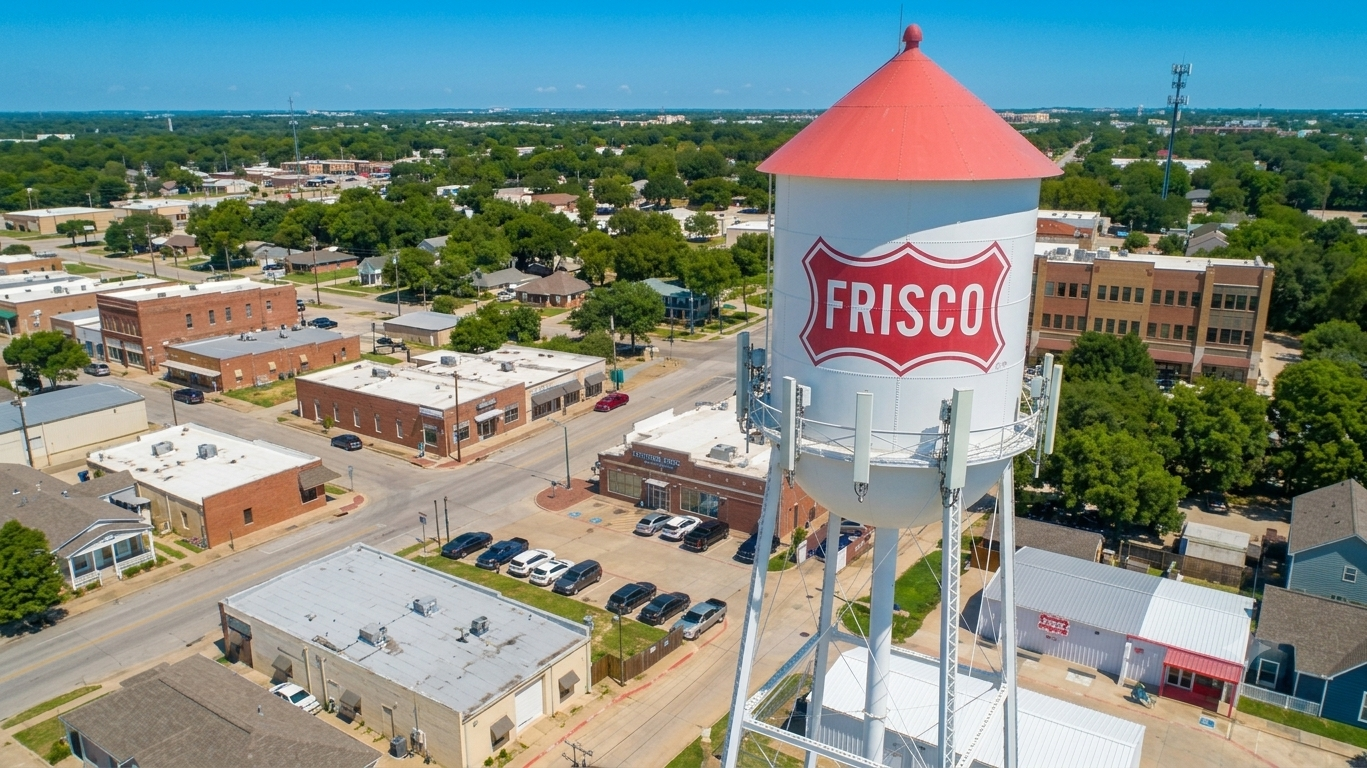
A webpage dedicated to buyers relocating from Colorado to Texas

Why thousands of Colorado families are choosing Dallas-Fort Worth and what you need to know before you join them.

North Texas Market Insider™ · Colorado Relocation

Why Colorado Money is Flowing to North Texas

Colorado did not get more expensive by accident, and you have watched it happen from the inside. Denver-area medians ran hard, the Front Range filled in, I-25 got worse every year, and the TABOR refunds that used to soften the state income tax quietly stopped arriving.

The result is a flat 4.4 percent income tax that is closer to a true 4.4 percent than it was five years ago, paired with a housing market that priced out the people who moved there for it. On a $150,000 household income that is over five thousand dollars a year going to the state before you have paid a mortgage. Texas charges nothing.

What makes the North Texas comparison work is not just the tax line. It is that the housing gap is real across most of the metroplex, the job base is diversified across finance, telecom, aviation, healthcare, logistics, and defence rather than concentrated, and two major airports remove the DIA drive from your life entirely.

You give up the Rockies, and Coloradans consistently tell me they miss looking west more than they miss any specific ski day. That is worth taking seriously before anything else on this page. Winter here is the compensation, and for most families it turns out to be a bigger one than they expected.

4.4%

Colorado flat income tax, eliminated

156 → 29

Freeze nights a year, Denver to DFW

2

Major airports, and no I-25

Tax rates and refund mechanisms change. Housing comparisons vary substantially by origin metro and target submarket. General information, not legal, tax, or financial advice.


North Texas Market Insider™ · Area Matcher

Find Your North Texas Landing Zone

Three questions, about twenty seconds. Tell me where in Colorado you're leaving and I'll start you with the priorities most families from there name first. Change any of them, then set your budget, and I'll show you the areas worth a real look.

Where in Colorado are you coming from?

I'll use this to suggest a starting point on the next step. You can change every one of them.

What actually matters most? Pick up to three.

0 of 3 selected. Tap to add or remove.

What's your home budget?

Purchase price, not monthly payment.

Your closest matches

Results are ranked only on the priorities and budget you selected, all of which you control. Every community listed is open to all buyers. Price ranges are general estimates and change with the market. See the full disclosure at the bottom of this page.

Colorado → North Texas

Where Colorado families are landing.

Most of my Colorado clients aren't randomly picking a spot on the map, they're targeting suburbs that feel like a lifestyle upgrade, not a downgrade from what they're used to along the Front Range. Tap what matters to you and the rest will drop away.

Showing all six areas

Tell me what part of Colorado you're coming from, and what you like or don't like about it, and I can usually narrow this list down to two or three specific DFW or rural areas that match your lifestyle and budget very closely.

Call 214-228-0003

Bobby Franklin, REALTOR® · Legacy Realty Group – Leslie Majors Team · northtexasmarketinsider.com

North Texas Market Insider™ · Colorado Relocation

Four Kinds of Colorado Buyer

If you're relocating from Colorado, you're not just buying a house, you're making a strategic market entry. That requires intelligence, not inspiration. Almost every Colorado client I work with is running one of these four plays. Find yours, then open it for what actually determines whether it works.

Altitude fatigue

The Altitude Fatigued

156 → 29freeze nights a year

Professionals and families worn down by long winters, icy commutes, and the physical grind of living above 5,000 feet. They're trading snow-packed mornings and wildfire smoke seasons for longer shoulder seasons and year-round usability of their homes.

What determines whether it works

Be specific about what is actually wearing you down, because the fixes differ. If it is the ice and the commute, almost any DFW suburb solves it. If it is dry air and altitude headaches, you will notice the difference within a week and never think about it again.

What you should expect in exchange: June through September is genuinely hot and humid, and outdoor activity moves to mornings and evenings. Most Colorado transplants describe three intense months here against four or five wintery ones there.

The under-discussed win is travel. DFW is a major hub with two airports, so the trips back to Colorado that made you hesitate are direct, frequent, and cheap.

Equity play

The Price-Pressure Sellers

$630K → $350KDenver median, then what it buys here

Homeowners in Denver, Boulder, and Fort Collins sitting on some of the nation's tightest inventory and highest price per square foot. They're cashing out smaller, aging homes and stepping into newer, larger construction in Prosper, Celina, or Waxahachie.

What determines whether it works

Know your capital gains position before you list. The federal exclusion on a primary residence is $250,000 of gain for a single filer and $500,000 for a married couple filing jointly, and it requires having owned and lived in the home two of the last five years. On a home bought before the Front Range run-up, gain above that is taxable. Talk to your CPA before the listing goes live.

Sequence beats optimisation. Colorado families who execute this cleanly sell first and land in a short-term rental here, which lets them write non-contingent offers. In this market that is worth real money at the table.

Then decide what the freed equity actually does. Paying cash and carrying no mortgage is a different plan from putting twenty percent down and deploying the rest, and the right answer depends on rates, your tax picture, and how fast you want a second asset producing.

Mobility

The Mobility Seekers

2major airports, no I-25

Buyers frustrated with Front Range congestion, limited highway expansion, and airport bottlenecks that turn simple trips into all-day events. They're choosing DFW for expanding infrastructure, multiple airport options, and easier regional access.

What determines whether it works

The airport difference is bigger than people expect. DFW and Love Field between them put almost every major US city within a direct flight, and neither requires the drive that DIA does from most of the metro.

But be honest about the tolls. DFW runs an extensive toll network, and most Colorado transplants end up with a toll tag and a modest monthly bill they did not have before. It buys faster and more predictable commutes, but it is a real line item.

Test the commute at the hour you would actually drive it. Twenty-five minutes at 11am and fifty at 7:45am is the same road. Do this before you pick a suburb, not after.

Tax aware

The Tax-Aware Earners

4.4%Colorado flat rate, gone

Dual-income households and remote professionals paying Colorado's flat 4.4 percent state income tax who recognise the long-term drag on earnings and investments. On a $150,000 income that is over $5,000 a year redirected into real estate, portfolio growth, or lifestyle.

The part nobody tells you

Texas has no personal income tax, but it does have a franchise tax if you own a business entity. It is a privilege tax on taxable margin, and it reaches LLCs, corporations, and limited partnerships doing business here. Sole proprietorships and general partnerships owned only by individuals are exempt.

Most small businesses owe nothing. For 2026 and 2027 reports the no-tax-due threshold is $2.65 million in annualised total revenue. Below that line your franchise tax is zero. Above it, the standard rate is 0.75 percent of taxable margin. You still owe an annual information report by May 15 regardless.

And factor in what replaced TABOR. The refunds that used to soften Colorado's rate have largely disappeared, which means the 4.4 percent is closer to a true 4.4 percent than it was five years ago. That makes the comparison better for Texas, not worse.

General information, not tax, legal, or investment advice. Franchise tax figures reflect Texas Comptroller guidance for 2026 and 2027 report years and are subject to change. Capital gains treatment depends on your individual circumstances. Consult a CPA and a licensed lender before acting on any of this.

North Texas Market Insider™ · Reality Check

What Colorado Didn't Prepare You For

Twelve things that catch Colorado families off guard in the first year. Four of them cost real money. Tick the ones that apply to you and build your own first-year number, then open any card for the detail underneath it.

Showing all twelve

Your estimated first-year add-on cost $0

Tick the boxes on the four cost cards below to build your number.

01Costs money

Cost of Living Is Reshuffled, Not Just Cheaper

10% annual homestead cap on increases

Housing is noticeably cheaper or delivers more house for the money. Property taxes and insurance hit harder, and summer electricity runs higher. The net still favours Texas, but it feels like trading one set of costs for another rather than stepping into a permanent discount.

The number everyone gets wrong

Correcting something you will read everywhere: Texas caps annual increases in a residence homestead's appraised value at 10 percent plus new improvements, under Tax Code 23.23. It is not unlimited.

The cap does not protect you in year one. It takes effect January 1 following the year you first qualify for the homestead exemption, so your first assessment is uncapped. File as soon as you close and protest that first year, because that protest sets the base every future increase builds on.

Run the whole picture, not one line. Colorado's property tax is genuinely lower. Texas has no income tax at 4.4 percent on every dollar. For most Front Range households the combination lands clearly in Texas's favour once housing is counted, but you should see the real number before you commit.

02Outdoors

Losing the Mountains Hits Identity, Not Just Recreation

Looking west the habit nobody warns you about

People know they are leaving the Rockies. Most underestimate how much those views and casual trail access shape their sense of home. Coloradans talk about missing looking west more than missing a specific resort day.

What replaces it, honestly

This is the row that decides whether a family is happy here, and no amount of square footage compensates if a canyon drive after work is load-bearing in your life. Say it out loud before you move rather than discovering it in month four.

What genuinely replaces it is lake culture. Dozens of lakes within an hour of DFW, boat ramps instead of trailheads, and greenbelts instead of open space. Many Coloradans end up buying lake gear instead of ski passes.

The counterintuitive part: transplants routinely report more total outdoor hours here, because they regain fall, winter, and early spring for daily walking and patio time instead of being snowed in. The mountains become intentional trips rather than a kitchen window view.

03Outdoors

Outdoor Life Shifts From Public Land to Private Access

Boat ramps instead of trailheads

Colorado is built around public land: national forests, BLM, trail systems everywhere. In Texas the surprise is how much outdoor access revolves around lakes, rivers, and private property, with travel required for true big-landscape experiences like Big Bend or Palo Duro.

What this changes practically

The overwhelming majority of Texas land is privately held. That is the structural difference, and it changes how you plan a Saturday. Access is through parks, lakes, and neighbourhood greenbelts rather than a forest road twenty minutes away.

Plan for the gear swap. Boats, kayaks, and fishing equipment replace ski passes and packs. The annual spend is comparable; it just goes somewhere different.

Big Bend and Palo Duro are genuinely spectacular and worth the drive. They are multi-hour trips, not a Tuesday evening, and treating them as vacations rather than substitutes is the healthier framing.

04Weather

Hail, Wind, and the Insurance Line

$2,000–$2,800 a year more than Colorado, typically

You know hail from the Front Range. North Texas hail has its own personality, and it is the primary reason homeowners insurance here runs meaningfully higher. Roof inspections after big storms are routine rather than a sign something is wrong.

What to check before you buy

Budget for the premium honestly, but compare like for like. You are not layering separate earthquake coverage on top, and you are not trying to insure inside a growing wildfire exclusion zone the way foothill and mountain-adjacent Colorado owners increasingly are.

Roof age drives insurability. As roofs age, carriers may shift from replacement cost to actual cash value, which pays depreciated value rather than the cost of a new roof. Ask the roof's age and last hail claim before you write an offer, and get a quote during your option period.

The claims ecosystem here is mature. Roofing contractors work with insurers constantly, and comprehensive auto coverage is the norm rather than an upgrade.

05Costs money

MUDs and PIDs: A Tax Layer Colorado Does Not Have

$1,500–$4,200 a year, for 20–30 years

Colorado has metro districts, so the concept is not entirely foreign, but Texas MUDs and PIDs work differently and show up on far more new construction. Buy outside city limits and this can add that much annually to repay infrastructure bonds.

How to spot one before you sign

Ask for the total tax rate, not the monthly payment. A builder quoting a payment may be using the current rate on unimproved land. Two homes at the same price in adjacent neighbourhoods can differ by hundreds a month on this line alone.

Most online mortgage calculators miss it entirely, which is exactly how an affordable new build becomes a payment you did not plan for.

Get it in writing before the option period ends. If you have dealt with a Colorado metro district you already know to ask; if you have not, this is the single most expensive thing on this page to overlook.

06Daily life

Electricity Is Deregulated and You Have to Shop It

Per kWh you pick the provider, like a phone plan

In most of Colorado you simply have a utility. In much of Texas the power market is deregulated, so you compare per-kWh rates, contract lengths, and providers. Add heavy summer air conditioning and utilities become something you actively manage.

How to not overpay

Do not accept the default. Whatever plan is active when you move in is rarely the best available. Shop the rate, read the contract term, and check whether the advertised rate assumes a usage level you will not hit.

Watch for tiered pricing gimmicks. Some plans advertise a low headline rate that only applies at a specific monthly usage, which is how a cheap plan becomes an expensive bill.

The annual picture is closer than the summer bill suggests. You will spend more on cooling from June to September and far less on heating than you did through a Colorado winter. Many families find the yearly total lands in a similar range.

07Daily life

Toll Roads Are Part of the Commute Budget

Toll tag treat it like a utility bill

DFW runs an extensive toll network, and locals rely on the Dallas North Tollway and George Bush Turnpike heavily. Most Colorado transplants end up with a tag and a modest monthly spend they did not have before.

Why people pay it anyway

It buys predictability. The trade is a real monthly cost for a commute that does not swing forty minutes based on the hour, which is precisely the Front Range frustration many Coloradans are leaving.

Factor it into the suburb decision, not after. Two neighbourhoods twenty minutes apart can differ meaningfully in monthly toll spend depending on which corridor you use.

Test the commute at the hour you would actually drive it before you commit to a location. This is the single most common regret I hear from out-of-state buyers.

08Culture

Friday Night Football Is Community Religion

10,000–20,000 stadium seats, at a high school

Colorado has strong high school sports. Texas football operates at a different scale entirely. Booster clubs run six-figure budgets, and band, drill team, cheer, and ROTC all revolve around the Friday night schedule from August through December.

How it reshapes your calendar

The commitment starts before school does. Marching band and football both run summer practice, often beginning in July. Moving in June or July with a participating kid means joining a schedule that is already set.

The real cost is Fridays. From late August through November, Friday nights belong to the community, not just to families with kids playing. Restaurants empty out.

For a transplant family this cuts both ways. It is either the fastest route into a new town or a season of feeling outside it, and which one you get depends almost entirely on whether you show up.

09Culture

Friendliness Is Louder and More Overt

Neighbourly in a way that takes adjusting to

Both states have friendly reputations. Coloradans consistently note that Texans are more outwardly chatty, with strangers starting conversations, neighbours dropping by, and open invitations to church, school, and community events.

Why this matters more than it sounds

For some this is the best part of the move. It makes plugging into a new community dramatically faster, which matters enormously when you have relocated away from every friend you had.

For others it is an adjustment in personal space. Colorado's more reserved, do-your-own-thing default is genuinely different, and the first few months can feel like a lot of social expectation arriving at once.

Regional identity is louder too. Flags, state pride, college loyalties, barbecue opinions, and high school football allegiances are woven into daily conversation in a way Colorado's mountain identity simply is not.

10Wildlife

Scorpions and Fire Ants Are New to You

$75–$125 a month for pest control

Colorado's dry, high-altitude climate keeps insect pressure low. Texas introduces striped bark scorpions that come indoors seeking water, and fire ants that build mounds across every lawn in warm months.

What to expect and what to do

The scorpion is painful, not dangerous. Comparable to a wasp for most people, though anyone with a known sting allergy should treat it seriously. Expect one or two weekly during peak season in many neighbourhoods.

Fire ants are the bigger daily nuisance if you have kids or dogs. Mounds appear fast after rain following a dry stretch, and they are aggressive when disturbed.

What works: quarterly exterior service handles most of it, monthly is common in newer construction on the edge of undeveloped land, and sealing exterior gaps plus keeping mulch off the foundation does more than people expect.

11Costs money

The Homestead Exemption Has a Hard Deadline

April 30 file or lose the year

Applications are accepted January 1 through April 30 of the tax year. Miss it and you forfeit that year's savings, though Texas allows a late filing for up to two years after the delinquency date with a penalty attached.

The order nobody explains

Your Texas driver's license address must match the property. Appraisal districts reject applications where it does not, so the chain matters: register the vehicle first, then get the license at the property address, then file the exemption.

This is also what starts your 10 percent appraisal cap. Filing late does not just cost one year of savings, it delays the protection limiting every future increase.

You file once. The exemption stays on the property as long as it is your principal residence, with no annual refiling.

12Daily life

Your Paperwork Clock Starts the Day You Arrive

30 / 90 days, and they are different clocks

Thirty days to register your vehicle with the county tax office. Ninety days to get a Texas driver's license from DPS. Most people assume it is one deadline handled in one trip. It is not.

Do these in the right order

Register the vehicle before you go to DPS. The license application asks for proof of Texas registration, so the county tax office is your first stop. Getting this backwards costs an entire wasted morning.

Texas dropped the annual safety inspection for most non-commercial vehicles in January 2025, but emissions testing is still required in Dallas, Tarrant, Collin, and Denton counties among others. If you are landing in the northern corridor, you are in an emissions county.

Budget for the new resident fee. New residents pay a vehicle tax of $90 or the difference between the prior state's sales tax and the Texas rate, plus registration and title fees.

Figures are general estimates for the North Texas market and vary by property, neighbourhood, and provider. Property tax, insurance, and utility references are general information, not legal or tax advice. Confirm current rules and rates with the appropriate authority before relying on them.

North Texas Market Insider™ · Climate Ledger

Colorado Weather vs North Texas Weather, Honestly

This is not a weather comparison, it is a risk and lifestyle trade. You are swapping wildfire, inversion, and snow for heat, humidity, and severe storms with warning. Two of these eight rows go against Texas, including the one that decides it for some families, and they are marked as such. Tap any row for the detail underneath it.

Wildfire and insurance ColoradoCreeping toward the neighbourhoodvsNorth TexasHail claims that pay North Texas
STATE

Longer fire seasons, more red-flag days, and a growing list of neighbourhoods labelled wildland-urban interface. Carriers are tightening underwriting, raising premiums, and in some foothill areas pulling back entirely.

North Texas

Texas premiums are higher in absolute terms and you should budget for that honestly. The difference is that hail is routine, roofers specialise in the claims process, and coverage remains available.

Availability matters more than price

A high premium you can buy is a different problem from a moderate premium you cannot renew. That is the distinction that matters when you are moving out of a foothill or mountain-adjacent Colorado zip code.

You are also not stacking two catastrophe policies here. No separate earthquake rider, no wildfire exclusion zone. One severe-weather exposure, priced into one policy, with a mature claims ecosystem behind it.

Air quality ColoradoInversions and the brown cloudvsNorth TexasOpen, flat, and windy North Texas
STATE

Denver and Front Range cities regularly see unhealthy-for-sensitive-groups days in winter and summer, driven by inversions, vehicle emissions, and wildfire smoke that can sit over the region for days.

North Texas

North Texas has its own air quality alerts, but there is no valley pressed against a mountain range trapping anything. Air moves.

What actually changes day to day

The habit people describe losing is checking an app before letting kids outside, or cancelling practice because the sky is grey with smoke from three states away.

Do not overstate it in the other direction. DFW has ozone action days and its own particulate issues, particularly in summer. It is a difference of degree, but the degree is large and it is structural rather than seasonal.

Snow and ice Colorado156 freeze nights, 50 inches of snowvsNorth Texas29 freeze nights, and a real spring North Texas
STATE

Shovelling, scraping, black ice, and commutes that swing from twenty-five minutes to two hours depending on when a front arrives. In hilly neighbourhoods, whole days where getting down your street safely is a real question.

North Texas

Typical winter days run 40s to 60s. Snow is occasional and light. You will not be planning your week around storm tracks.

But take the freeze seriously

You know about the 2021 storm and it was as bad as you heard. Texas has since invested in grid weatherisation, but the honest read is that infrastructure here is built for heat, not extended cold.

Practically: know where your water shutoff is before your first February, and expect the region to slow dramatically during an ice event because it does not own the equipment Colorado takes for granted.

Net of that, DFW winter feels roughly like Colorado's late fall, for about three months.

Water ColoradoSnowpack, rights, and restrictionsvsNorth TexasWater your lawn North Texas
STATE

The entire Front Range depends on snowpack and complex water rights. Drought cycles have meant watering restrictions, browning lawns, and well reliability worries on semi-rural properties.

North Texas

North Texas has watering schedules in dry summers and its own supply planning, but nothing resembling a structural shortage tied to a single snowpack.

A small thing that turns out not to be small

It shows up in landscaping choices, whether a pool is reasonable, and whether you feel guilty running sprinklers. Colorado transplants routinely mention it as a minor thing that turned out not to be minor.

It is a difference of degree, not kind. Restrictions exist here during genuine dry stretches. The degree is just large.

Mountains and recreation ColoradoThe Rockies, thirty minutes awayvsNorth TexasFlat. Lakes instead. Colorado
STATE

Trailheads that jump straight into foothills and alpine terrain, ski passes, canyon drives, and the habit of looking west every single day.

North Texas

Dozens of lakes within an hour, greenbelts, and state parks. There are no mountains. Not smaller ones. None.

This is the row that decides it for some families

Say the hard part plainly: this is the biggest thing you give up. Coloradans consistently describe missing looking west more than missing any specific resort day, and no amount of square footage fixes that.

What replaces it is lake culture, which is genuinely a culture here rather than a consolation. Boats instead of ski passes, boat ramps instead of trailheads.

The counterintuitive part: many transplants log more total outdoor hours here, because they regain fall, winter, and early spring. The mountains become a long weekend rather than a kitchen window.

Summer ColoradoCool, dry, and 75 in the eveningvsNorth TexasMid-90s with humidity Colorado
STATE

Front Range summer evenings with a breeze off the foothills are genuinely excellent, and afternoon thunderstorms break the heat rather than adding to it.

North Texas

June through September, and the humidity is a bigger adjustment than the temperature. Nights stay warm and sticky.

The adaptation timeline is real

Most Colorado transplants describe the same arc: the first summer is a shock, the second is manageable, and by the third they have built a routine around it.

What makes it workable: air conditioning is universal and built into every home rather than an upgrade, community pools come standard in master-planned neighbourhoods, and covered patios are normal design rather than a luxury.

The honest framing: three intense months here against four or five genuinely wintery ones there. Count the hours rather than the misery.

Severe storms ColoradoIntense but familiarvsNorth TexasLoud, frequent, and forecast Even
STATE

Front Range hail is real and you already know it. What you do not have is a tornado season or the frequency of severe warm-season storms.

North Texas

More severe weather in season, heavy downpours, hail, and occasional tornado warnings. Peak season is April and May, dropping sharply by midsummer.

Warning time is the honest difference

Colorado's big risks are wildfire and, in some areas, long-tail seismic. Both offer limited or no real-time warning. Texas severe weather is noisy and frequent in season, but you get forecasts, live radar, and minutes rather than seconds.

How people actually handle it: a weather app pushes the alert, you move to an interior room on the lowest floor for fifteen to thirty minutes, you watch radar, and then life resumes.

Most events are weaker storms that damage trees, roofs, and outbuildings. The large destructive tornadoes on national news are rare for any given address.

Altitude Colorado5,280 feet and dry airvsNorth TexasNear sea level North Texas
STATE

Altitude headaches, dry sinuses, harder recovery from exercise, and for some people a genuine physical grind that never quite resolves.

North Texas

No altitude adjustment, no dry-air nosebleeds, and cardio that suddenly feels easier than it did at home.

The one nobody puts on a list

This is the quiet win transplants mention months later. People who spent years assuming they were just tired discover the altitude was a real part of it.

The humidity trade is genuine though. You swap dry air problems for humid air problems, and if you have curly hair or asthma the adjustment runs in both directions.

General information rather than advice. Insurance costs, coverage availability, utility rates, and weather patterns vary by property and change over time. Confirm current figures with a licensed insurance agent before relying on them.

North Texas Market Insider™ · Schools

Four Ways Colorado Families Choose a District

Most Colorado families arrive with a shortlist of district names they found online, and about half the time those names are not the right fit for their student or their budget. These are the four patterns I actually see, sorted by what a family is optimising for. Unlike agents who point everyone toward their own farm area, my job is getting you in the right place, not just any place.

Each bar is drawn on the same $0 to $2.6M scale, so the widths are directly comparable across all four tiers.

Tier 1 Executive track
$750K–$1.6M+

"Executive & Top-School Track"

Southlake / Carroll ISD · Lovejoy ISD · Coppell · flagship pockets of Frisco and Plano

Familiar territory if you are coming from Cherry Creek, Boulder, or Castle Pines. High-performing schools, polished neighbourhoods, serious club sports, and quick access to DFW Airport.

What you're actually getting

The saving here is not on the sticker. Selling a $1M-plus Colorado home usually means buying in a similar or slightly lower range. What changes is that Colorado's 4.4 percent income tax disappears and that money goes into equity, investments, or travel instead.

Over five to ten years that tax shift is where the win shows up, compounded by strong resale demand in these districts. If you are measuring this move by month one, you will misjudge it.

Best for dual-income professional families and executives who need the top tier of schools and amenities, need a major airport, and want a community that feels like a peer to their current Colorado suburb rather than a step down.

Tier 2 Career & commute
$500K–$900K

"Career & Commute Optimizers"

Frisco · Prosper · Allen · central and north Plano · McKinney · Richardson

Strong schools, master-planned neighbourhoods, and everyday convenience for families from Highlands Ranch, Littleton, Broomfield, Arvada, and Fort Collins.

What you're actually getting

The usual trade is a smaller or older $600K-plus Colorado home for a larger, newer home here in the $500K to $800K band, while opening up far more career options inside one metro.

Be honest about the payment. Monthly cost may land similar once Texas property taxes are counted. What you gain is square footage, amenities, and the removal of the Front Range grind from your workday.

Best for families who want good schools but are equally focused on better commutes and job mobility, and who want work, kids' activities, shopping, and healthcare inside fifteen to twenty minutes.

Tier 3 Space & freedom
$350K–$600K

"Space & Financial Freedom"

Midlothian · Waxahachie · Wylie · Forney · Melissa · North Fort Worth

A real upgrade in space if you are coming from Aurora, Thornton, Commerce City, Brighton, or Greeley. Newer or larger homes, bigger lots, and a pace that is more small-town Texas than rush-hour I-25.

What you're actually getting

This is where the math starts to change your life. Selling a mid-$500K Colorado home and buying in the mid-$300Ks to low $500Ks can unlock a substantial equity spread, reduce the monthly payment in many cases, and eliminate state income tax at the same time.

These districts are growing fast, which cuts both ways. New campuses are being built and attendance boundaries get redrawn as they open. Ask which campus a home feeds to and whether a rezoning is on the calendar.

Best for families who want a stable school experience but are primarily motivated by more house, less financial pressure, and a calmer daily rhythm. This is my home corridor, so I will tell you plainly: the growth here is real and it is early.

Tier 4 Land & lakes
$250K–$2M+

"Land, Lakes, and Lifestyle First"

Lake Whitney area · rural Ellis and Johnson County · Rockwall · Little Elm

The lifestyle many Colorado families dreamed about but could never quite afford in Steamboat, Breckenridge, or Estes Park. Note the bar: this range is wider than the other three combined.

What you're actually getting

Be honest with yourself about what you are optimising for, because it is not schools. It is acreage for animals and workshops, or lake life with a boat in the driveway, all within thirty to ninety minutes of DFW's jobs, airports, and hospitals.

Against Colorado resort pricing you are often spending a fraction for similar vacation-style living, and turning what would have been a second-home fantasy into a primary residence while cutting state income tax.

Two things to check before you commit: the commute measured honestly at the hour you would actually drive it, and whether the land qualifies for an agricultural valuation, which changes the property tax math on acreage substantially.

School district information is provided as general information only and reflects the districts Colorado families most frequently ask about. Attendance boundaries, program offerings, campus assignments, and performance data change and vary by campus. Verify all school information directly with the district before making any purchase decision. Home price ranges are general estimates and vary by neighborhood, campus, and market conditions. As a REALTOR® I comply fully with the Fair Housing Act and cannot and will not direct buyers toward or away from any community based on race, color, religion, sex, national origin, familial status, or disability.

What Coloradans Need To Know Before They Move

Is Texas Really The Worst State To Live In?

Is Texas Really The Worst State To Live In? Why CNBC’s New Study Is Misleading

By Bobby Franklin, REALTOR® — North Texas Market Insider | Serving Ellis County, the I-35E Corridor, and the DFW Metroplex Last updated: July. Continue reading
Stream data centers could just reshape real estate wealth in North Texas. Learn the best strategies for choosing the best North Texas Homebuilder. Learn more with Bobby Franklin, the North Texas Market Insider. Bobby Franklin is the best realtor in Waxahachie.

How Stream Data Centers Are About To Redraw the NTX Real Estate Map

Why the smartest money in America is betting on southern Dallas County, and what it means for...
Everything you need to know about North Texas property taxes, and how to dispute them

North Texas Property Taxes: The Ultimate Guide

The Intelligence You Need Before You Buy Here’s the thing about Texas property taxes that...
Ellis County is booming with new construction. Learn more with Bobby Franklin, the North Texas Market Insider. Bobby Franklin is the best realtor in Waxahachie.

The Dallas Apartment Explosion: Why Smart Money is Moving NOW

Dallas just claimed the #2 spot nationally for apartment construction with 28,958 units under...
Market Snapshot · Live NTREIS Data

What the DFW Market Is Actually Doing

In California, what a home sold for is public record. In Texas it is not. Sales price information provided to appraisal districts is confidential under Tax Code 22.27, which means the national sites you have been browsing are estimating closed prices here rather than reporting them. These four charts come from NTREIS, the MLS, where the confirmed numbers actually live.

Median Sales Price

What Your Equity Actually Buys

The middle point of all closed sales, so one luxury outlier cannot skew it. This is the number to hold your California sale price against. Compare it to your own median, not to your neighborhood's best comp. The gap between the two is the real size of the move you are considering.

Chart: Median sales price across the DFW market, tracked monthly. Source: NTREIS MLS.
Closed Sales

How Much Is Actually Trading

Completed transactions where financing cleared and the home changed hands. Read it against price, never alone. Rising prices with rising volume is genuine demand. Rising prices with falling volume means sellers are holding a number that fewer buyers will accept, and that is precisely when concessions start showing up in contracts.

Chart: Closed sales volume across the DFW market, tracked monthly. Source: NTREIS MLS.
Percent Of Original List Price

How Far Sellers Actually Move

What homes closed for measured against their original ask, before any price reductions. Near 100 percent means sellers are holding firm. Below it, that gap is your negotiating room. This is the single most useful number to carry into an offer, and out-of-state buyers almost never ask for it.

Chart: Percent of original list price received across the DFW market, tracked monthly. Source: NTREIS MLS.
Showings To Pending

How Hard Sellers Are Working

How many showings it takes to produce one home going under contract. This is the earliest honest signal on the page. A low number means homes are selling on the first weekend and you will be competing. A climbing number means sellers are opening the door again and again before anyone writes, and that is buyer leverage arriving weeks before it ever reaches an asking price.

Chart: Showings required per pending sale across the DFW market, tracked monthly. Source: NTREIS MLS.

All four charts update automatically from NTREIS as new sales close. Want these numbers filtered to the specific submarkets you are considering, with your California sale price run against them? Call 214-228-0003.

Bobby Franklin, REALTOR® · Legacy Realty Group – Leslie Majors Team · northtexasmarketinsider.com

North Texas Market Insider™ · Colorado Relocation

What Coloradans Want To Know About Texas

Ten answers on the questions that come up on every Colorado relocation call: what actually gets cheaper, how far Front Range equity really goes, what happens to your outdoor life, and what nobody tells you about toll roads.

Is it actually cheaper to live in Texas than in Colorado?

For most Front Range families total cost of living is lower in Texas, but it is not a clean win on every line. Colorado runs roughly 9 to 12 percent more expensive once you blend housing, groceries, and everyday expenses.

Housing is the big lever. Denver-area and Boulder prices sit well above many DFW suburbs, so you often get more square footage or a lower payment here. You do trade lower Colorado property taxes for higher Texas property taxes and insurance, so the true saving shows up when you combine cheaper housing with zero state income tax rather than comparing one bill at a time.

How far does my Denver or Boulder equity really go in North Texas?

Further than most people expect. Denver and Boulder medians have been tracking in the mid-$500Ks to $600K-plus range, while the broader DFW median sits notably lower.

That gap lets a lot of Colorado sellers move from a 1,700 to 2,000 square foot older home into a newer 2,500 to 3,000-plus square foot home in a master-planned community and still bank cash or clear other debt. How far it goes depends most on which suburb you pick. Southlake and Frisco absorb more equity; Ellis County, North Fort Worth, and parts of Collin County give you more house per dollar.

Will the Texas political and cultural climate feel very different?

Yes, but unevenly. Colorado has drifted reliably blue at the state level while Texas remains broadly conservative statewide, even as Dallas, Austin, and Houston lean more progressive.

Day to day the feel depends more on the specific suburb than the state label. Urban Dallas and inner-ring suburbs often feel culturally similar to Denver neighbourhoods; exurban and rural areas feel more traditionally Texan. Many Colorado transplants say they are surprised by how friendly, church-connected, and community-event-driven life is here regardless of politics.

How different is Texas gun culture from Colorado?

Both states have plenty of gun owners and fairly permissive laws. Visibility is the difference.

In Colorado, even in hunting circles, firearms mostly stay in trucks, safes, and at the range. In Texas you are more likely to see open carry holsters at gas stations, feed stores, and casual restaurants. For some Coloradans that is jarring at first, but the practical impact is cultural rather than legal.

What happens to my outdoor lifestyle if I leave the mountains?

You lose quick access to alpine trailheads, skiing, and canyon drives, and that is a real emotional trade I am not going to talk you out of.

Outdoor life here shifts to lakes, greenbelts, neighbourhood trails, and state parks. Many Colorado transplants report logging more total outside hours because they regain fall, winter, and early spring for daily walking, biking, and patio time instead of being snowed in. The mountains become intentional trips rather than something you see out your kitchen window.

How does the job market compare for Denver tech and health professionals?

For most white-collar fields Texas offers a broader and deeper market. Dallas-Fort Worth is a major hub for finance, telecom, healthcare, logistics, and corporate headquarters, and DFW has attracted around 100 corporate HQ relocations since 2018.

Colorado professionals are often surprised how many lateral options exist within one metro here. Land in Plano or Frisco and you are within commuting distance of dozens of major employers. The flip side is that some roles skew more corporate and office-centric than the startup or lifestyle-oriented culture people associate with Denver tech, so vet company culture carefully rather than just salary.

How big a shock are Texas summers coming from Denver?

The shock is real the first year, because you lose the cool dry evenings and the afternoon thunderstorm rhythm you are used to. North Texas summers mean longer stretches of mid-90s heat, higher humidity, and nights that do not cool off the same way.

The trade many Colorado families appreciate is the rest of the year. Fall, winter, and spring feel like extended shoulder seasons with far more days in the 50s to 70s where you can genuinely be outside. The routine becomes early and late outdoor time in summer, then months of daily walks and parks in light layers instead of snow gear.

How do DFW suburban schools stack up against the Front Range?

You can match or beat your current Colorado district academically if you are selective. Top-rated DFW districts perform well on state metrics and national rankings while offering extracurricular menus comparable to or stronger than many suburban Denver and Boulder districts.

What surprises some Colorado families is the scale. Texas districts can be very large, with big graduating classes and intensely competitive sports and band programs. Pay attention not just to ratings but to campus-level culture, commute, and how intense you actually want your kids' school life to be.

What should I expect with registering my car and dealing with toll roads?

New residents have 30 days to register a vehicle with the county tax office and 90 days to obtain a Texas driver's license. Register the vehicle first, because the license application asks for proof of Texas registration.

The bigger lifestyle surprise for Colorado drivers is toll roads. DFW uses an extensive toll network and locals rely heavily on the Dallas North Tollway and George Bush Turnpike. Most transplants end up with a toll tag and treat it like a utility bill, trading a modest monthly spend for faster and more predictable commutes.

Will the social scene feel more suburban and family-centric than Denver?

In many Texas suburbs yes, and for some Colorado families that is exactly the point. Compared with Denver, where breweries, outdoor events, and in-town neighbourhoods drive a lot of social life, DFW suburbs centre community around schools, youth sports, churches, and neighbourhood amenities.

Expect more Friday-night-football-anchored calendars, more structured kids' activities, and more gatherings around pools and cul-de-sacs. If you want nightlife and urban walkability, lean toward in-town Dallas or the inner suburbs. If you want plug-and-play family community with built-in friend groups for your kids, the master-planned suburbs will feel like a significant upgrade.

Question that isn't on this list? That's usually the one worth a phone call. Tell me where in Colorado you're coming from and what you're trying to solve, and I'll give you a straight answer about how it works here.

Call Bobby · (214) 228-0003
Bobby Franklin, REALTOR® Legacy Realty Group – Leslie Majors Team 214-228-0003
North Texas Market Insider™ · Working Together

Your Colorado-to-Texas Relocation Specialist

I work with Colorado relocators regularly, and the honest starting point is that this is a lifestyle trade before it is a financial one. You are leaving mountains for flat land. No amount of square footage fixes that if the Rockies are why you live where you live.

What I can do is make the rest of it accurate. What your Front Range equity actually buys, which corridors feel like Highlands Ranch or Littleton, how the toll network changes your monthly number, and where the altitude and air quality difference shows up in daily life. I will also tell you when staying makes more sense, because with Colorado families it sometimes does.

What I provide

  • The mountains conversation first because it is the variable that decides whether you are happy here, and it deserves to be named rather than glossed.
  • Toll network mapping which corridors near your target suburb are tolled, and what that adds monthly. Colorado's E-470 does not prepare you for the scale here.
  • Total tax rate breakdowns including MUD and PID exposure. You may know metro districts, but Texas MUDs work differently and appear on more new construction.
  • Virtual property tours walked live on video with commentary, for buyers still in Colorado.
  • Neighbourhood translation mapped against the Front Range. If you liked Lone Tree or Arvada, I will tell you where that actually is here.
  • Lender connections who handle out-of-state relocations routinely and understand a Colorado closing timeline.
  • School district guidance campus-level rather than headline ratings, including which boundaries are scheduled to be redrawn.
  • Post-move support homestead exemption filing by April 30, the 30 and 90 day paperwork clocks, and community connections.

Ready to plan your move to Texas?

Market insights · Strategic planning · No pressure

Call Bobby · (214) 228-0003
Bobby Franklin, REALTOR® Legacy Realty Group – Leslie Majors Team · TREC #0805459

Let’s make your Colorado-to-Texas move happen.

Bobby Franklin Realtor®

Bobby Franklin

Realtor®

Serving DFW | Ellis County
16 Northgate Dr. Ste 100

Waxahachie, TX 75165

Ready To Plan Your Move To Texas?

Market Insights | Strategic Planning