Somewhere in North Texas right now, maybe right here in Ellis County, a homeowner is sitting at the kitchen table, watching the inflation headlines, and asking the question I hear more than almost any other: “Is this a terrible time to sell?”
It’s a reasonable question. The April 2026 CPI report dropped with headline inflation running at 3.8% year over year, the hottest annual reading since May 2023. Core inflation came in around 2.8%, with a monthly jump of 0.4% that beat expectations on the wrong side. Bond markets reacted the way they always do when inflation surprises to the upside: yields moved higher, analysts started floating the possibility of another Fed hike instead of a cut, and social media lit up with a fresh round of panic about mortgage rates.
So yes, the macro picture looks complicated. But the answer to that question is not what the headlines are suggesting, and it’s not what most agents are going to tell you. The answer depends on things the national narrative isn’t tracking, and it probably doesn’t depend on the things you think it does.
Let me show you how to read this market the right way.
The April 2026 Inflation Report: What It Actually Said
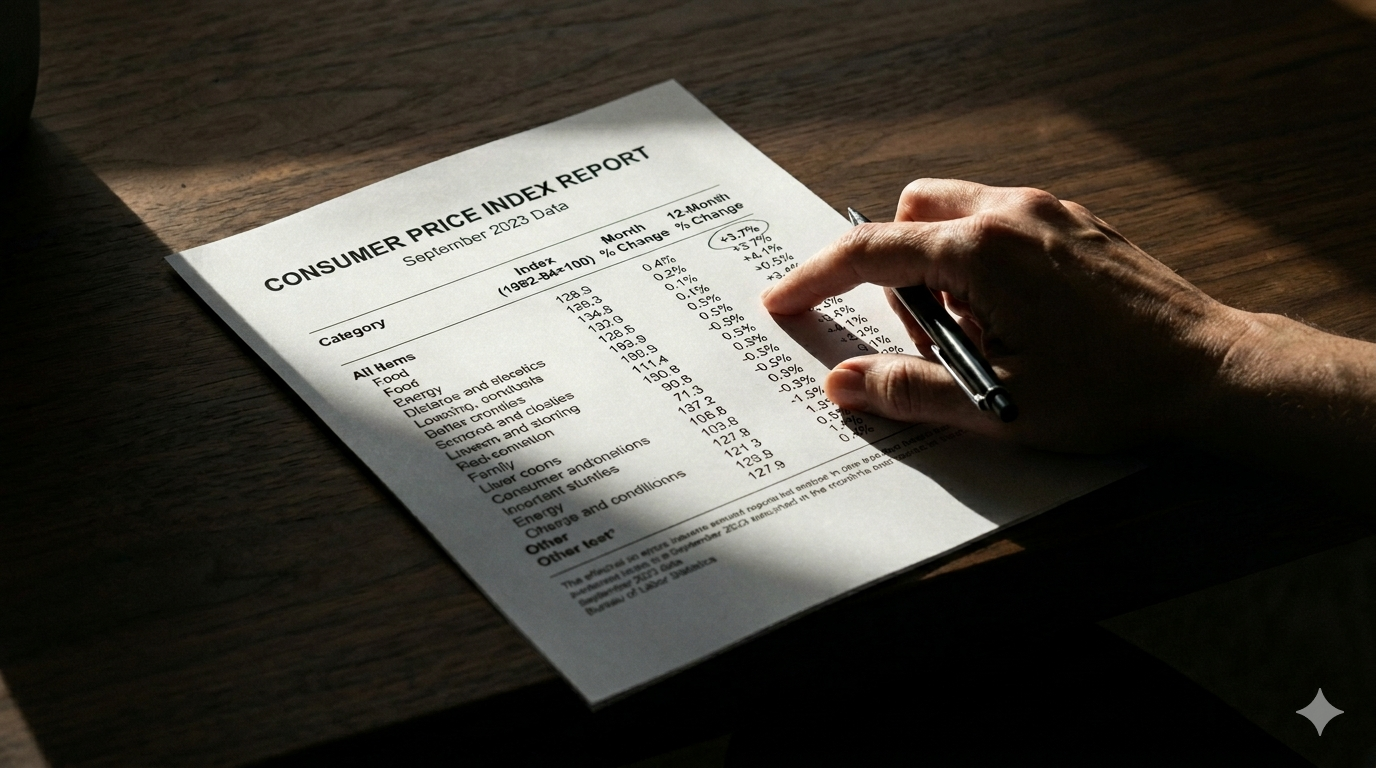
First, let’s deal with the data directly, because you deserve analysis instead of spin.
Headline inflation at 3.8% annualized is not hyperinflation. Hyperinflation is when inflation spikes above 50% in a single month. Thankfully, we’re nowhere close to that. But, it is hotter than the Federal Reserve wanted, and it matters for one specific reason that directly affects you as a seller: shelter costs are carrying a massive share of that inflation number.
Shelter accounts for roughly 35% of the CPI basket. That means the very category that includes housing; rent or equivalent homeowner costs, is one of the primary engines keeping overall inflation elevated. The irony is almost perfect: housing costs are helping sustain the inflation that is keeping mortgage rates elevated, which is suppressing buyer demand, which is making sellers nervous, which is making headlines, which is bringing you here.
Understanding that circular dynamic is the first step to seeing clearly through it.
For the official data, the Bureau of Labor Statistics CPI program and the Federal Reserve’s monetary policy resources are your primary sources. Read the actual releases, not just the social media reactions to them.
How Inflation Keeps Mortgage Rates Elevated – And What That Means for Sellers
Here’s the mechanism worth understanding before you make any timing decision.
When inflation starts to rise, bond investors demand higher yields to protect themselves from being repaid in dollars worth less than what they lent. Mortgage rates generally track Treasury yields, but not perfectly and certainly not on a one-to-one basis. But, they do tend to move in the same general direction. Hot inflation reading → upward pressure on yields → elevated mortgage rates. That chain is why 2026 Texas mortgage rate commentary has consistently pointed toward rates staying in the 6% to 7% range rather than dropping down to the 5% environment some buyers have been waiting for.
What does that mean for you as a seller?
It means you’re not selling into the same buyer pool you’d have had in 2021. The buyer shopping in the 6% to 7% rate environment is doing math the 2021 buyer never had to do. They’re comparing monthly payments against take-home pay with a precision that low-rate buyers didn’t need. They’re more sensitive to price, more sensitive to condition, more sensitive to what’s included and what’s negotiated. A home that would have sold in 48 hours with 12 offers in March 2022 might sit 3+ months today if it’s priced and presented like it’s still 2022.
That is not a catastrophe, but it is a different game. And the sellers who understand the game they’re actually playing are going to outperform the sellers who are still playing last cycle’s game.
For ongoing mortgage rate tracking, Freddie Mac’s Primary Mortgage Market Survey and Bankrate’s mortgage rate coverage are the most reliable consistent benchmarks.
Why North Texas Is Not the National Story
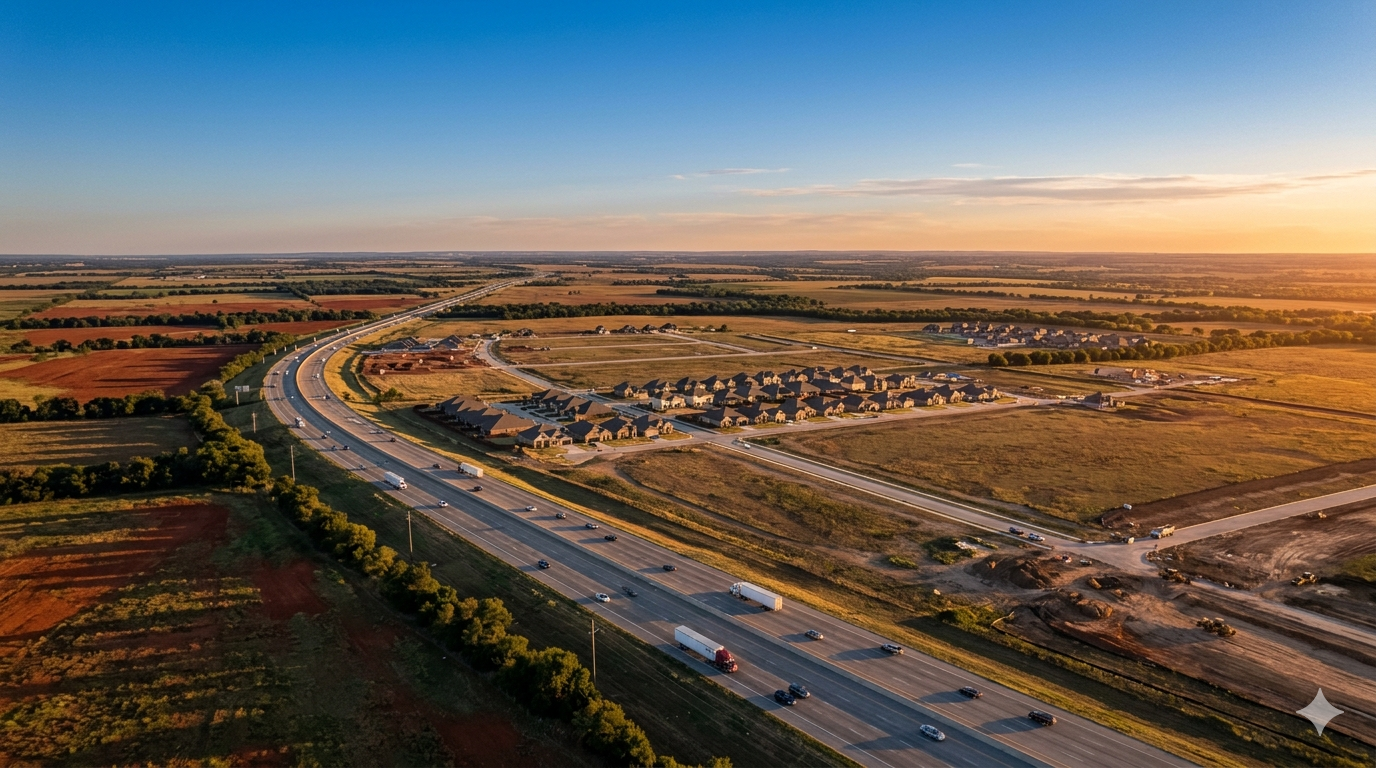
This is the part that matters most, and it’s the part the national housing media consistently gets wrong.
When CNN or Bloomberg reports on housing slowdowns, they are mostly reporting on large coastal markets like California, the Pacific Northwest and parts of the Northeast where price-to-income ratios reached genuinely unsustainable levels and where the affordability math broke badly when rates normalized. That story is real and ongoing, but thankfully, it isn’t our story.
North Texas, Ellis County and the southern DFW corridor specifically operate on a fundamentally different set of inputs.
The Federal Reserve Bank of Dallas has documented that Texas experienced one of the sharpest pandemic-era housing booms in the country. DFW especially saw major price appreciation from 2020 through 2022, driven by migration, remote work, and historically low rates. But here’s the critical distinction: Texas attracted that migration for structural reasons. Texas has strong job growth, no state income tax and relative affordability compared to the markets people were leaving. The good news is, those structural reasons didn’t disappear when rates went up.
People are still moving here and companies are still expanding or even fully relocating here. The I-35E corridor between Dallas and Waco still has an employment base, a commute calculus, and an affordability profile that makes Ellis County genuinely competitive. Waxahachie, Midlothian, Red Oak, Ennis, Ferris, these aren’t just suburbs. They’re destinations with their own growth momentum.
That’s why 2026 forecasts for Texas have consistently pointed toward modest positive price appreciation rather than the correction narrative driving coastal headlines. Here’s what that means for you as a seller: the structural demand story isn’t just a reason not to panic, it’s a reason to act. The buyers moving to this corridor aren’t going away because rates are elevated, they’re moving because the calculus still works in North Texas in a way it doesn’t in the markets they’re leaving. That is demand you can sell into, right now, if you position your home to capture it.
For broader North Texas context, start with The Complete 2026 Housing Market Forecast For North Texas and the Ultimate North Texas Relocation Guide – both of which dig into the structural demand story that the national narrative keeps missing. You can also explore the full Relocating To North Texas archive for ongoing coverage of the inbound migration trends that are still reshaping this market.
The Seller’s Real Question: Should You Wait?

Here is where I’m going to give you the answer most agents won’t, because most agents are too worried about telling you what you want to hear.
For the majority of North Texas homeowners thinking about selling in the next 12 to 24 months: waiting is not the smarter play.
Let me walk you through the reasoning, because I want you to reach this conclusion the same way I did, through the evidence, not through trust in my sales pitch.
First, understand what you’re actually waiting for. Most sellers who say they’re waiting are actually waiting for rates to drop. They’re imagining a scenario where rates fall back to something that feels like 2021, buyer demand surges, competition heats up, and they sell into a frenzy. That scenario is possible, but that would require significant global financial instability. The current inflation environment makes sustained rate cuts harder to execute, not easier and the forecasts across multiple sources are all pointing to rates staying elevated relative to the last decade.
Second, understand what happens if rates actually do drop significantly. If rates fall meaningfully, demand for housing surges. But demand for your replacement home surges at the same time. The buyer who was waiting on the sidelines for 5% rates is also the buyer competing against you for the next house you want. Selling into a high-rate environment and buying into a high-rate environment is actually a more symmetrical transaction than it feels. Selling into a low-rate surge and trying to buy into that same surge, with everyone else making the same move simultaneously, is where sellers consistently get hurt on the other side of the transaction.
Third, understand the carrying costs of waiting. Every month you delay a sale you intend to make anyway, you’re paying property taxes, insurance, maintenance, and opportunity cost on equity that isn’t working for you. In North Texas, where values have held and in many cases continued appreciating modestly, that equity has value today. Waiting requires a meaningful enough price appreciation or rate drop to offset everything you’re spending while you wait.
Fourth, and this is the one most sellers in Ellis County aren’t thinking about, understand what’s coming. North Texas is not sitting still. A major Waxahachie-area development alone involves 13,270 homes. That number is worth sitting with. Thirteen thousand, two hundred and seventy homes entering this market over the coming years, all of them competing for the same buyers your resale home would attract. New construction comes with builder incentives, rate buydown programs, design center upgrades, and the appeal of never-been-lived-in that resales simply can’t match on equal footing. The window where your home faces less of that competition is not infinite. It’s right now and every quarter you wait is a quarter that supply picture gets more crowded.
The case for waiting has to clear a high bar to make sense. I’m not seeing it clear that bar for most sellers in this market right now in 2026.
For more on this specific dynamic, Why Waiting for 3% Rates Is Like Praying for a Hurricane makes the argument in detail and it’s worth reading before you decide to sit on the sideline another year.
What Sellers Actually Need to Do Differently in a High-Rate Market
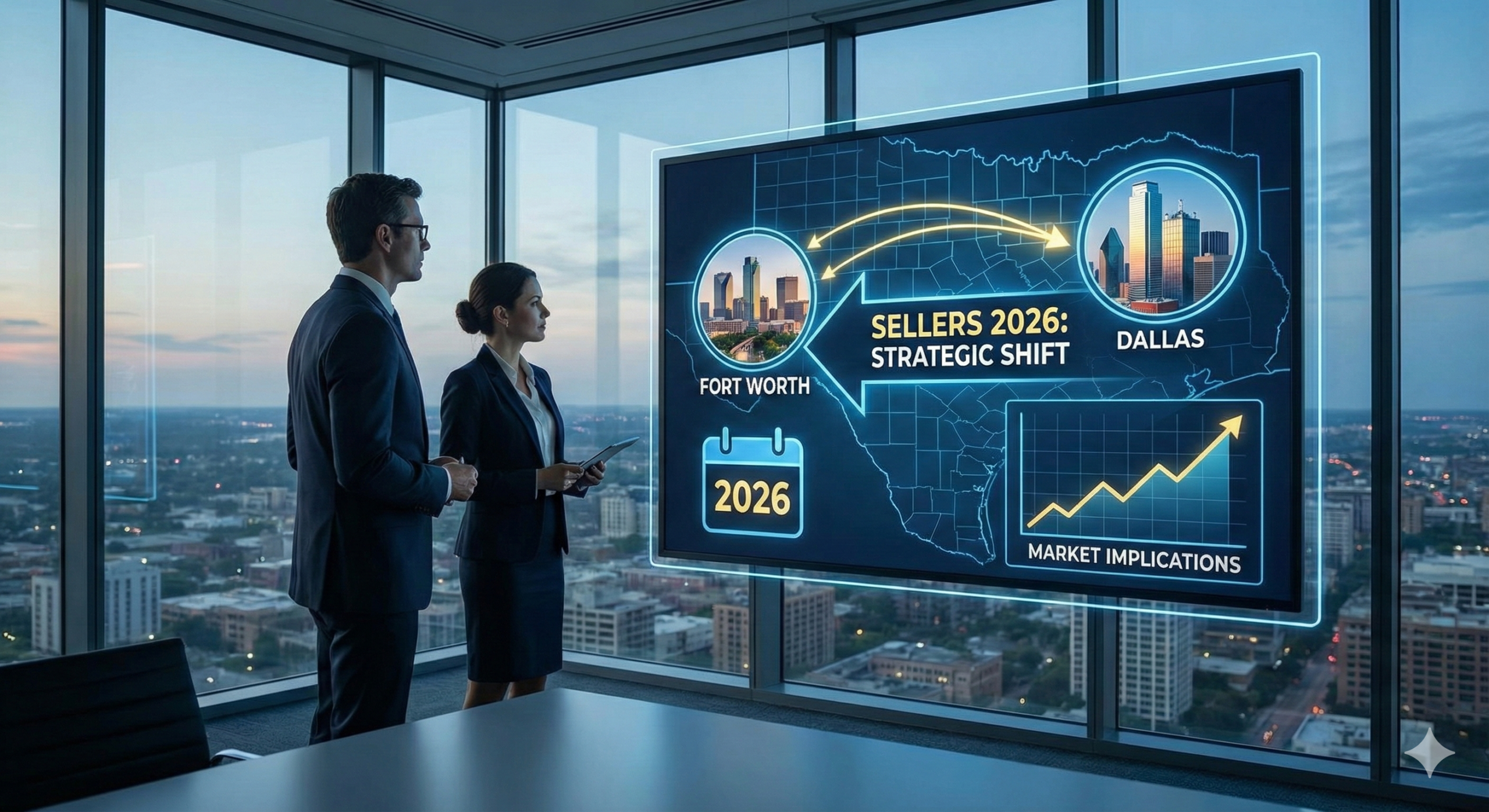
Understanding the macro picture is step one. The second step is understanding that a high-rate market requires a different playbook. Not a better house, not a lower price by default, but a smarter strategy deployed from day one.
Here is what that looks like in practice.
Price to the market immediately. The instinct to list high and “leave room for negotiation” is a 2021 strategy applied to a 2026 market. Buyers today are more informed, more patient, and more payment-sensitive than any buyer pool in recent memory. An overpriced listing doesn’t generate higher offers, it generates price reductions, extended days on market, and the stigma that comes with sitting. Price it right on day one and you create competition. Price it aspirationally and you create silence.
Prepare the home like buyers are doing the math. In a market where buyers are already stretching to afford a 6-7% mortgage, they are mentally adding every visible repair and update cost to an already tight budget. A stained ceiling, outdated HVAC, deferred landscaping, these aren’t just cosmetic anymore. They’re budget items that a rate-stressed buyer is calculating before they make an offer. You don’t necessarily need a full renovation, but you need to remove the math that works against you.
Think strategically about concessions. A blanket price cut is often the least efficient tool in a high-rate environment. A seller-paid rate buydown, where you contribute to temporarily or permanently reducing the buyer’s interest rate, can move the needle on affordability more meaningfully than an equivalent dollar reduction in price. The same applies to seller-paid closing costs. Work with your agent and your lender partners to structure offers that actually solve the buyer’s problem rather than just showing a lower number on the listing sheet.
Market beyond the neighborhood. One of the consistent advantages Ellis County sellers have right now is inbound relocation demand. Buyers from California, Colorado, Washington, and Arizona are still looking at North Texas, specifically because of the affordability and lifestyle calculus that makes this corridor compelling relative to where they’re leaving. A marketing strategy that reaches those buyers, not just local resale traffic, can create demand that wouldn’t otherwise exist for your specific property.
The Ellis County Specific Picture in 2026
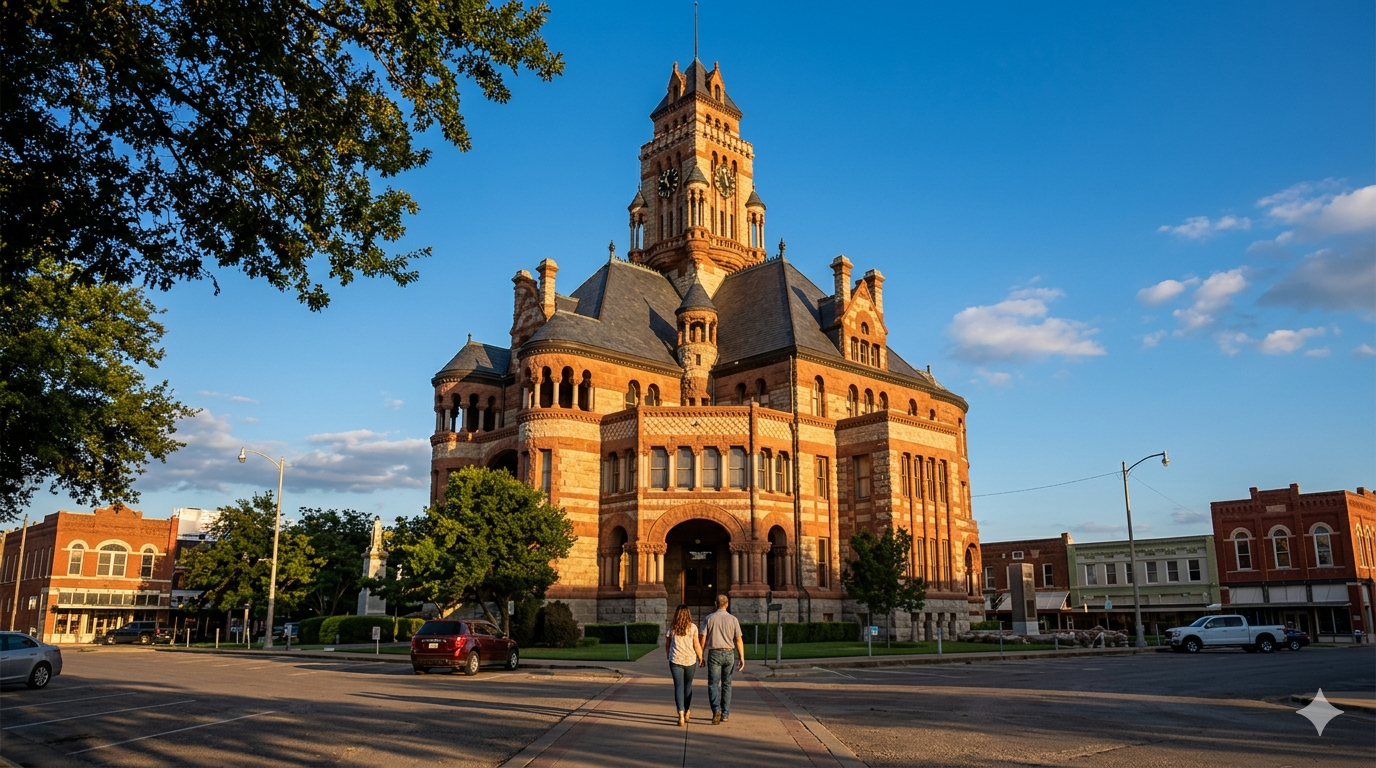
Let me bring this home to where you actually live.
Waxahachie. Midlothian. Red Oak. Ennis. Ferris. Palmer. These submarkets are not monolithic. A home in a master-planned community in Midlothian is competing against builder incentives from active new phases. A home in an established Waxahachie neighborhood is competing differently, against fewer new construction options but also against buyers who need a certain school district, historic vibe or commute profile. A rural acreage property in Palmer is playing a completely different game yet again than either of those.
The conversation about inflation and rates is a national conversation. The decision about your specific listing is a hyperlocal one, and it requires someone who is tracking the permit filings, the builder incentives, the active competition, and the buyer profiles that are actually closing in your specific price range, in your specific submarket, right now.
That’s what I do.
If you’re a homeowner in Ellis County or the broader I-35E corridor thinking through a move, trying to decide whether the timing is right, what your home is worth in this environment, what the strategic play looks like given the inflation data and the rate picture, the smartest thing you can do is get a real conversation, not a Zestimate.
FAQ: Questions North Texas Sellers Should Be Asking in 2026

These are the questions I’m hearing from homeowners across the south DFW corridor, and they’re worth addressing directly.
“Can I still get multiple offers with 6-7% mortgage rates?” Yes, but only if the home is priced correctly, prepared well, and marketed aggressively to both local and relocation buyers. Multiple offers are still happening in Ellis County. But, they don’t happen by accident.
“How will another Fed rate hike affect my home value?” An additional hike would put further upward pressure on mortgage rates and constrict buyer demand at each price point. It would not cause a price collapse in North Texas, but it would make an already patient buyer pool more likely to keep waiting.
“What does 3.8% inflation mean for selling a home in Waxahachie specifically?” It means buyers are doing tighter math than they were two years ago. It means your competition from new construction hasn’t disappeared and it means the window between today and a potentially higher-rate environment is a window worth taking seriously.
“Should I wait to sell until mortgage rates drop in 2026?” That’s the question I addressed above and the answer for most sellers is no. But the right answer for your situation depends on your specific numbers, your timeline, your replacement property target, and the current demand profile for your specific home type in your specific area.
“Will the DFW housing market crash because inflation is rising again?” No credible forecast is pointing to a DFW crash. The structural demand story of migration, employment and relative affordability is too strong. What’s possible is continued softening of home prices, in specific price ranges, in specific submarkets. That’s different from a crash, and responding to it correctly requires precision, not panic.
The Bottom Line
Here’s what this all boils down to: inflation and elevated rates are not a reason to wait, and for most North Texas sellers, they’re actually a reason to move with intention before the window closes.
The sellers who win in this environment are the ones who understand that the game has changed, not ended, and who play the new game with the right strategy from day one. Right price with right preparation, combined with right marketing to the right buyer pool.
The sellers who lose are the ones waiting for a market that isn’t coming back, while carrying costs accumulate, new construction fills the pipeline, and the window quietly closes.
North Texas is not the national story, Ellis County is not a DFW average and your specific home is not your Zillow estimate. The intelligent move is the one made with real data, real local knowledge, and a strategy built for the market that exists, not the one you’re waiting for.
Ready to run the real numbers on your specific situation?
Bobby Franklin, REALTOR® | Legacy Realty Group – Leslie Majors Team
📲 214-228-0003 | northtexasmarketinsider.com
Preferred Lender Partners — I recommend these lenders based on their expertise and service. I do not receive compensation for referrals.
- Andrew Bryan — andrewthelender.com
- Jennifer Nelson — eustismortgage.com
- Taylor Fruge — lower.com