
Last updated: October 27, 2026 | By Bobby Franklin, REALTOR®, North Texas Market Insider™
Texas broke ground on October 7, 2026 on a 104-bed secure juvenile facility on FM 878 in Waxahachie, and the story has already outrun the facts. Online, it has become a $304 million prison, and the questions that follow about crime and home values are being answered with fear and speculation.
The public record however, tells a different story. The Texas Juvenile Justice Department, or TJJD, is building a treatment-focused secure campus for youth in state care with the highest mental and behavioral-health needs, it is targeting completion in the first half of 2029, and the $304 million everyone quotes pays for two facilities in two counties, not one building in Waxahachie. The homeowners and buyers who come out ahead will be the ones working from that record while everyone else works from screenshots, because the facility itself is not the biggest risk to anyone’s equity on FM 878. Acting on bad information is.
The Waxahachie Project at a Glance
| Question | Verified answer as of October 27, 2026 |
|---|---|
| What is being built? | A new state-operated secure juvenile correctional facility built around treatment, education, accountability and rehabilitation |
| Where is it? | On FM 878 at the Ellis County farm property, near the existing Ellis County Juvenile Services building, which the county lists at 2272 FM 878 |
| Who operates it? | The Texas Juvenile Justice Department, with the Texas Facilities Commission overseeing construction |
| How large is it? | 104 beds; TJJD describes the Ellis and Brazoria projects together as adding roughly 200 beds |
| Who will it serve? | Youth committed to state care with the highest mental and behavioral-health needs |
| When did construction begin? | Ceremonial groundbreaking on October 7, 2026 |
| When will it open? | Completion targeted for the first half of 2029, with owner occupancy anticipated in late 2028 or early 2029 |
| How much does it cost? | $304 million for the Ellis County and Brazoria County projects combined |
| How many jobs? | TJJD projects approximately 400 new jobs per host community; no Waxahachie hiring schedule is published yet |
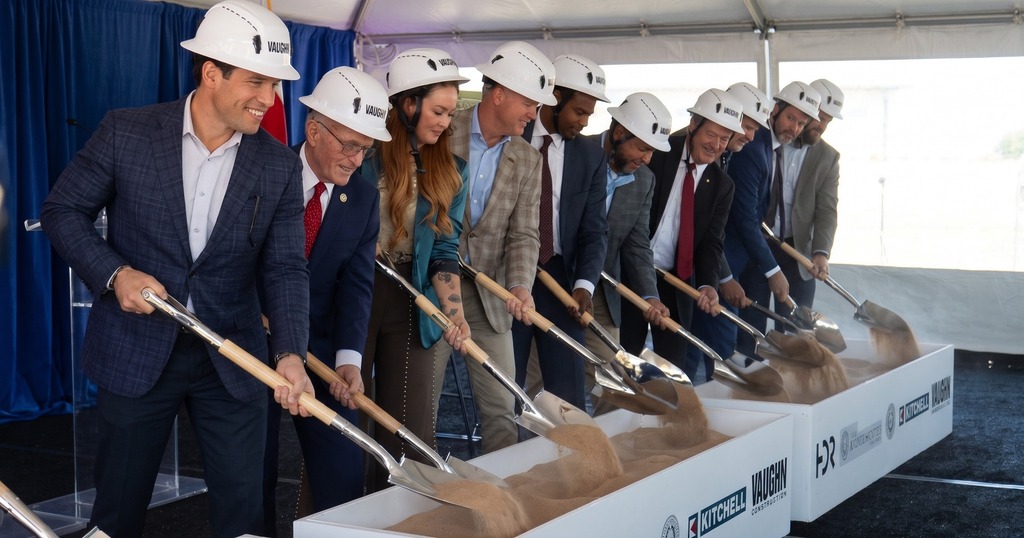
| Who is designing and building it? | Texas Facilities Commission, HDR, Vaughn Construction and Kitchell |
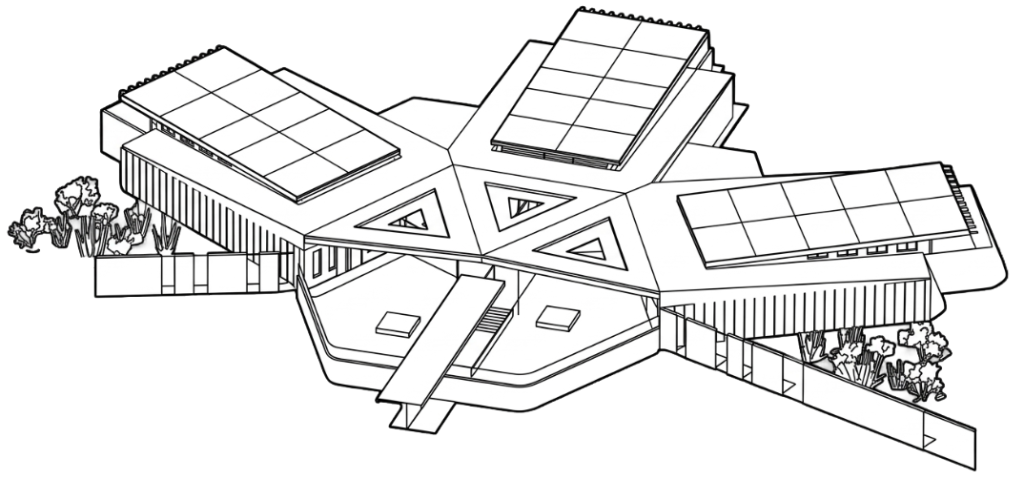
The rendering making the rounds online is a concept illustration. It shows intended scale and layout, but it is not a survey or a final site plan, so nobody should be measuring setbacks or sight lines from it.
Where Exactly Is the New Facility Going?
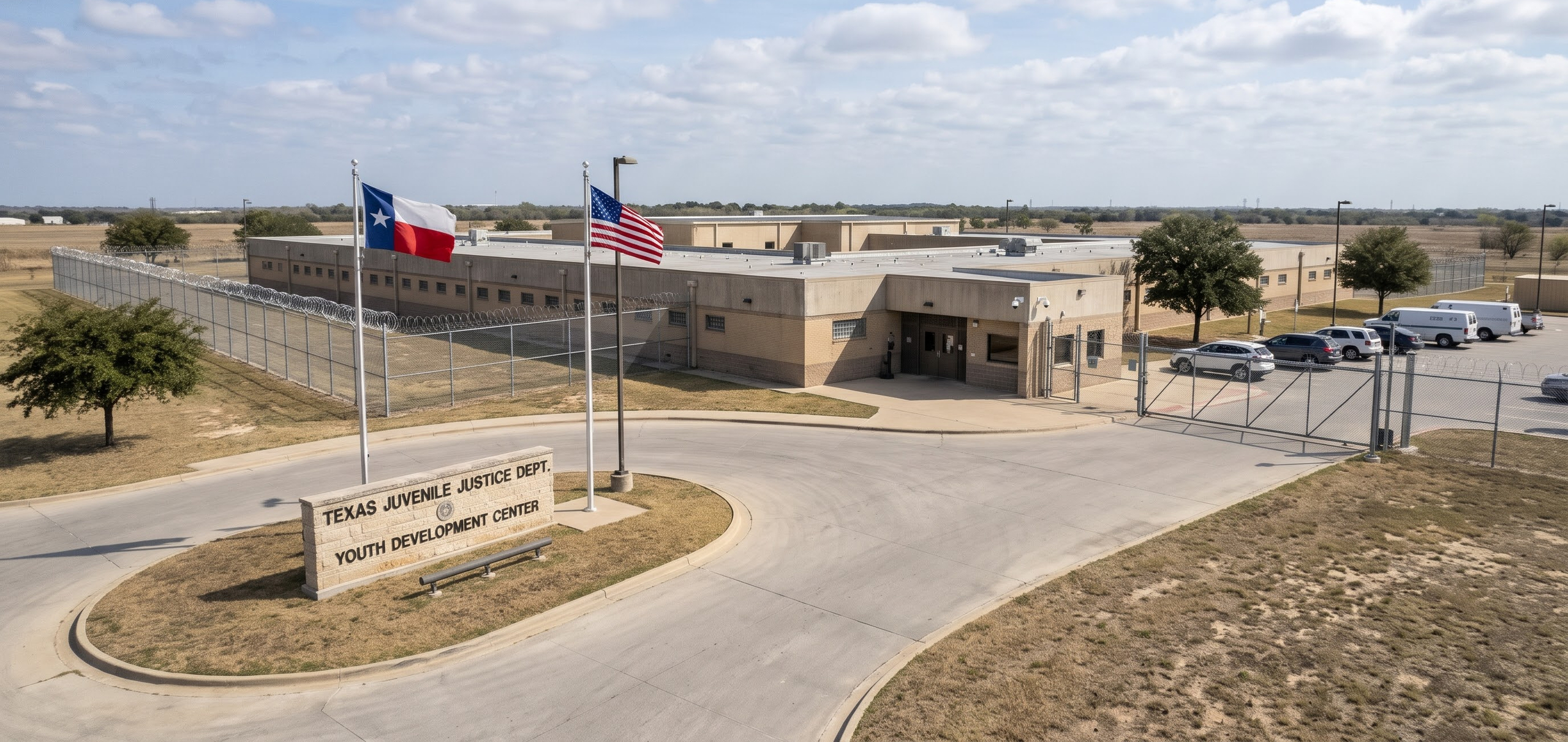
The state is building on the Ellis County farm property on FM 878, just outside Waxahachie city limits, where the county’s Juvenile Services building already sits. The county’s department directory lists Juvenile Services at 2272 FM 878, Waxahachie, Texas 75165. That gives you a reliable general location, but no state document reviewed for this article publishes a final street address, legal description or acreage for the new campus, so a map pin on the county office should not be treated as the front gate of the new facility.
The address confusion runs all the way up. TJJD’s own groundbreaking listing on its new-facilities page used 2278 FM 878, and local coverage has printed both 2272 and 2278 in the same article. Until TJJD, the Texas Facilities Commission or recorded county documents identify the final parcel, the accurate description remains “on FM 878 near the Ellis County Juvenile Services building.”
How the state got the land is a story most coverage misses. Ellis County did not sell the site; it leased it. TJJD reports that the Ellis County ground lease closed in July 2025 on a 50-year term with two 25-year extensions, and at the groundbreaking, Texas Facilities Commission Director Will McKerall called it “the first ever lease of this nature that we’ve done.” That puts the county in a long-term landlord relationship with the state on this property.
Ground lease closed July 2025, giving the state the site through roughly 2075.
Two optional 25-year renewals built into the agreement.
The state’s Facilities Commission called it the first lease of this kind it has ever done.
Sources: TJJD, New builds update (lease closing, 50-year term, two 25-year extensions); Waxahachie Sun, Oct. 10, 2026 (“first ever lease of this nature”). End years are North Texas Market Insider arithmetic from the July 2025 closing.
If you are newer to this side of town, the Waxahachie city guide and the Waxahachie-area city comparison will give you the I-35E, U.S. 287 and U.S. 77 context without reducing an entire city to one project.
Is It a Jail, a Prison or a Treatment Center?
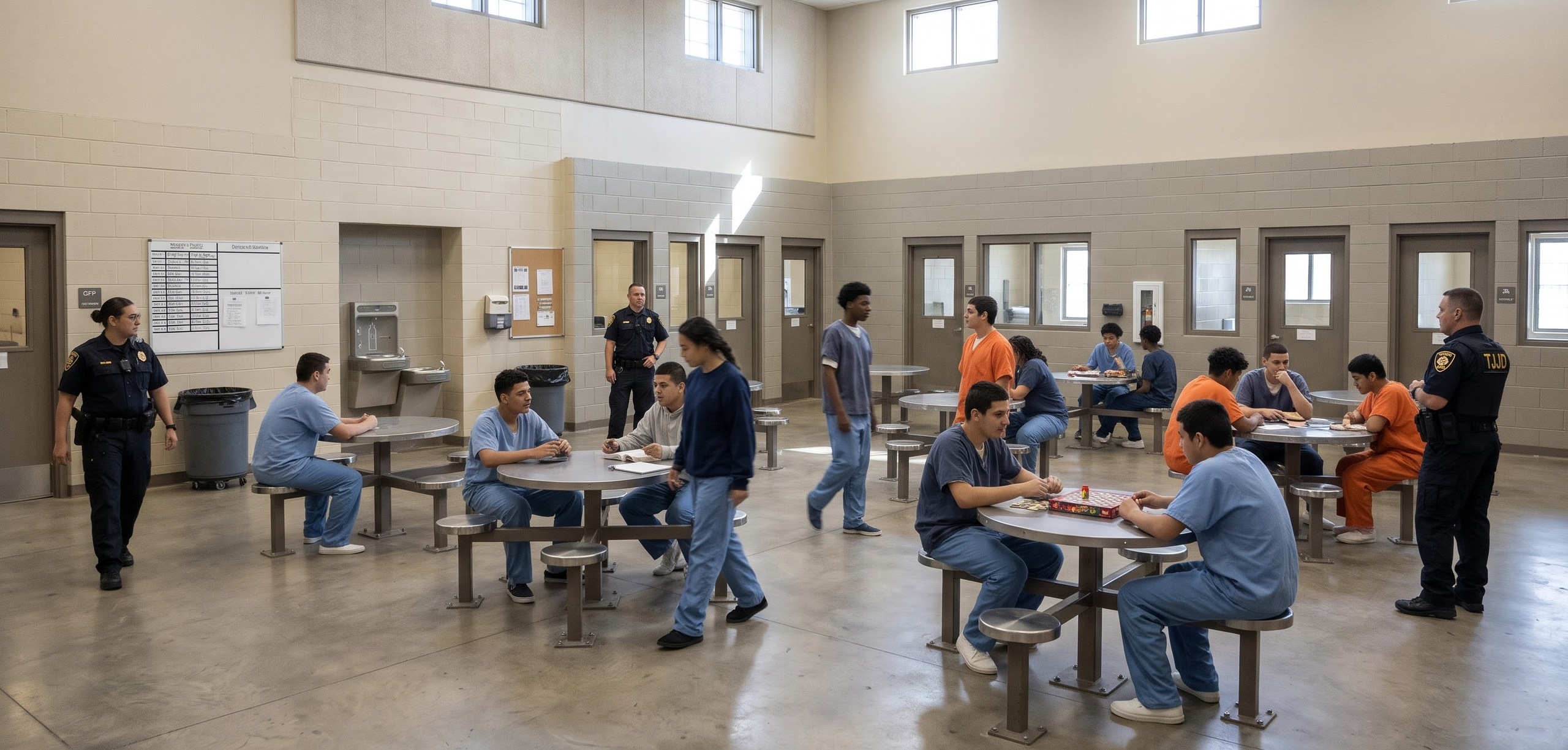
It is a secure state juvenile correctional facility with a specialized treatment mission, and both halves of that description matter. Calling it a “mental-health center” undersells the secure correctional function, while calling it an adult prison or a county jail gets the operator, the population and the purpose wrong.
Texas runs juvenile justice programs on two levels. County juvenile probation departments handle most sanctions and interventions, managing some 98 percent of youth referrals, while TJJD operates the state’s secure facilities for youth who are, in the agency’s words, typically “chronic offenders or have committed the most serious offenses.” TJJD describes its facilities as “a critical last attempt to reach the most serious cases.”
The Waxahachie campus will have a specific assignment. TJJD says it will house Mental Health Treatment Programs, a Behavioral Stabilization Unit and a Crisis Stabilization Unit. Its sister facility in Brazoria County, by contrast, is being built for youth with “high-risk or violent behavioral profiles,” running the Intensive Intervention, Redirect, Phoenix and Phoenix Max programs. Both are secure, but they were built for different jobs.
Sources: Lone Star Standard, Sept. 3, 2026 (groundbreaking dates, populations, programs); TJJD, New builds update (104 beds per site, $304M total); Texas Tribune ($200M, 2023); HB 500, Sec. 5.05 ($104M). Per-bed average is North Texas Market Insider arithmetic ($304M ÷ 208).
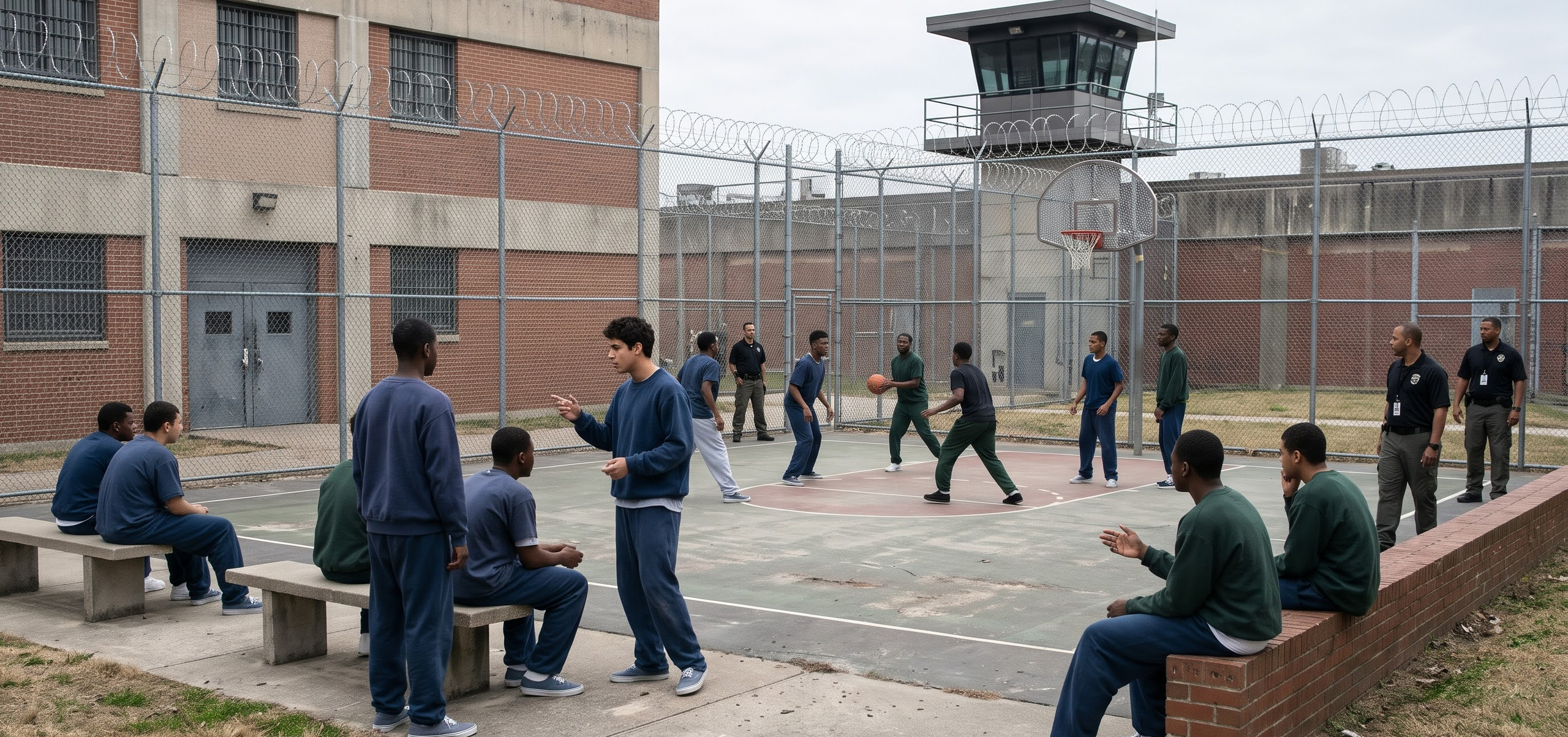
Daily life for the inmates will follow a structured model. According to TJJD’s state-programs overview, youth will live in dorms of eight to 16 residents with individual rooms, attend school on campus with Texas-certified teachers, and follow a 14-hour schedule that runs through academics, treatment, counseling and recreation. That operating model explains why the rendering looks like a low-rise campus rather than a multistory lockup.
Why Did Texas Pick Waxahachie?
Texas picked Waxahachie because it needs workers, and the state learned that lesson the hard way. In August 2022, only 44% of TJJD’s officer positions were filled, and Fox 4 reported 71% staff turnover in 2021, citing a 2023 Sunset Commission report. A juvenile system that cannot staff its campuses cannot run them safely, and building more beds in the same hard-to-hire places would only repeat the problem.
Crisis Stabilization Unit. TJJD’s existing 8-bed unit at Giddings runs one staff member to every two youth.
Behavioral Stabilization Unit. Four-bed dorms for high-risk behavior, same one-to-two coverage.
Mental-health dorms. One officer for every four youth at Giddings and Brownwood today.
of youth leaving TJJD secure facilities reoffended within three years, per agency figures reported in 2023.
were reincarcerated within the same three-year window.
Sources: Texas Tribune, June 2, 2023 (staffing levels); TJJD, Treatment Services (coverage ratios at existing campuses); Dallas Express, Dec. 11, 2024 (reoffense and reincarceration rates reported by TJJD in 2023). Ratios shown are TJJD’s current practice; Waxahachie unit staffing has not been published.
The Legislature wrote that lesson into law. The 89th Legislature’s House Bill 500, Section 5.05, states its intent that the two new facilities “be located in Ellis County and Brazoria County as close as practical to population centers” with existing workforce capacity to hire Juvenile Correctional Officers and provide mental health, counseling and therapy services. Local reporting at the time of the announcement said Ellis County was selected largely for its proximity to the Dallas-Fort Worth Metroplex.
Waxahachie hands the state access to the southern DFW labor pool while staying outside the urban core, sits next to an existing county juvenile-services operation and keeps regional medical and educational resources within reach. The state is betting that a DFW-edge address fixes a hiring problem that has dogged the agency for years, but that bet is not won yet.
The project also fits the larger pattern of investment pushing south through Ellis County, alongside stories like the 13,000-home Minto/Westlake development, the Palmetto Road mixed-use project and the forces covered in the 2026 North Texas housing-market outlook.
The Staffing Test
The planned units tell you exactly how much this campus will demand. According to TJJD’s treatment-services page, the agency’s existing crisis stabilization and behavior stabilization units run at one staff member for every two youth, and its mental-health dorms at one officer for every four. Those are the unit types planned for Waxahachie, which is why the rendering shows small residential wings around secure courtyards and a central program building rather than large cellblocks. The treatment model behind those ratios, TJJD’s Texas Model, grounds a structured, accountable routine in Trust-Based Relational Intervention, a trauma-informed approach built on safety, connection and coping, with Dialectical Behavior Therapy being used across treatment teams, but none of it works without trained people in the building.
TJJD projects approximately 400 new jobs in each host community, which would make the Waxahachie campus a meaningful public-sector employer if the state delivers. Treat that figure as an agency projection, because no final staffing table has been published separating permanent state positions from contracted services, construction work or indirect employment. The likely roles run from juvenile correctional officers, teachers and case managers to licensed mental-health providers, nurses, administrators, and food-service, maintenance and transportation staff. Hiring at that scale would add shift-change traffic, higher demand at nearby restaurants and retail business, put a new pool of state employees into the local housing search, and tighten competition for mental-health, education and public-safety talent that local governments, schools and hospitals are already fighting over. Make sure to keep jobs and home prices in separate columns, though: four hundred projected positions does not automatically lift the value of every nearby property, just as a secure institutional use does not automatically drag every value down.
This is still so new that the money for hiring and staffing has not even been approved yet. TJJD’s request to the 2027 Legislature lists “New Facility Activation & Operational Readiness” as its own priority, aimed at making sure the new campuses can be staffed, equipped and operational when construction ends with the 90th Legislature set to convene on January 12, 2027 to decide their budget.
To make things more convoluted, the agency making that request is changing leadership at the same time. On October 23, 2026, Executive Director Shandra Carter resigned, and Deputy Executive Director Sean Grove is serving as interim leader while the board plans a search for her replacement. Neither TJJD nor its board gave a reason, and nothing published since indicates the Ellis County project has been paused or delayed. Whoever ends up holding the job will be measured at this site by one thing above all: whether the beds can be staffed.
The $304 Million Myth
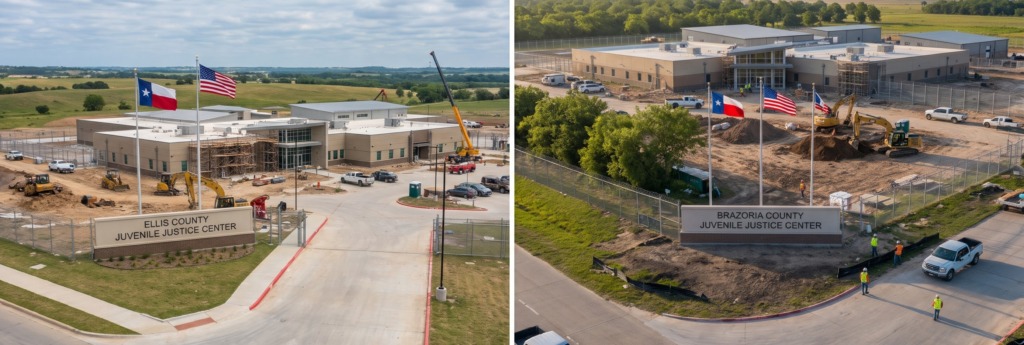
The single most repeated error online is that Waxahachie is getting a “$304 million juvenile facility” when the official funding record clearly says otherwise. $304 million is the combined state investment for two facilities, one in Ellis County and one in Brazoria County.
That money arrived in two steps. The 2023 state budget set aside $200 million for new TJJD facilities, with a minimum of 200 additional beds. In 2025, House Bill 500 appropriated another $104 million to complete “the two new facilities that would expand capacity for the department by 200 beds,” bringing the program to the $304 million total TJJD reports.
No primary source reviewed for this article publishes a stand-alone price for the Waxahachie campus, and splitting $304 million down the middle would not produce one, because land arrangements, utilities, site work, specialized interiors and contingencies can differ between sites. The honest number is $304 million for the two-project program until the state releases facility-level budgets. On the construction side, the Texas Facilities Commission’s August 21, 2025 meeting agenda took up awarding the construction-manager-at-risk contract for both projects to Vaughn Construction, and the commission’s approved minutes record that contract award at $204,693,205. That is the largest single contract in the program, and it covers both campuses with no breakdown by county.
Beds, Timeline and What “Open” Actually Means
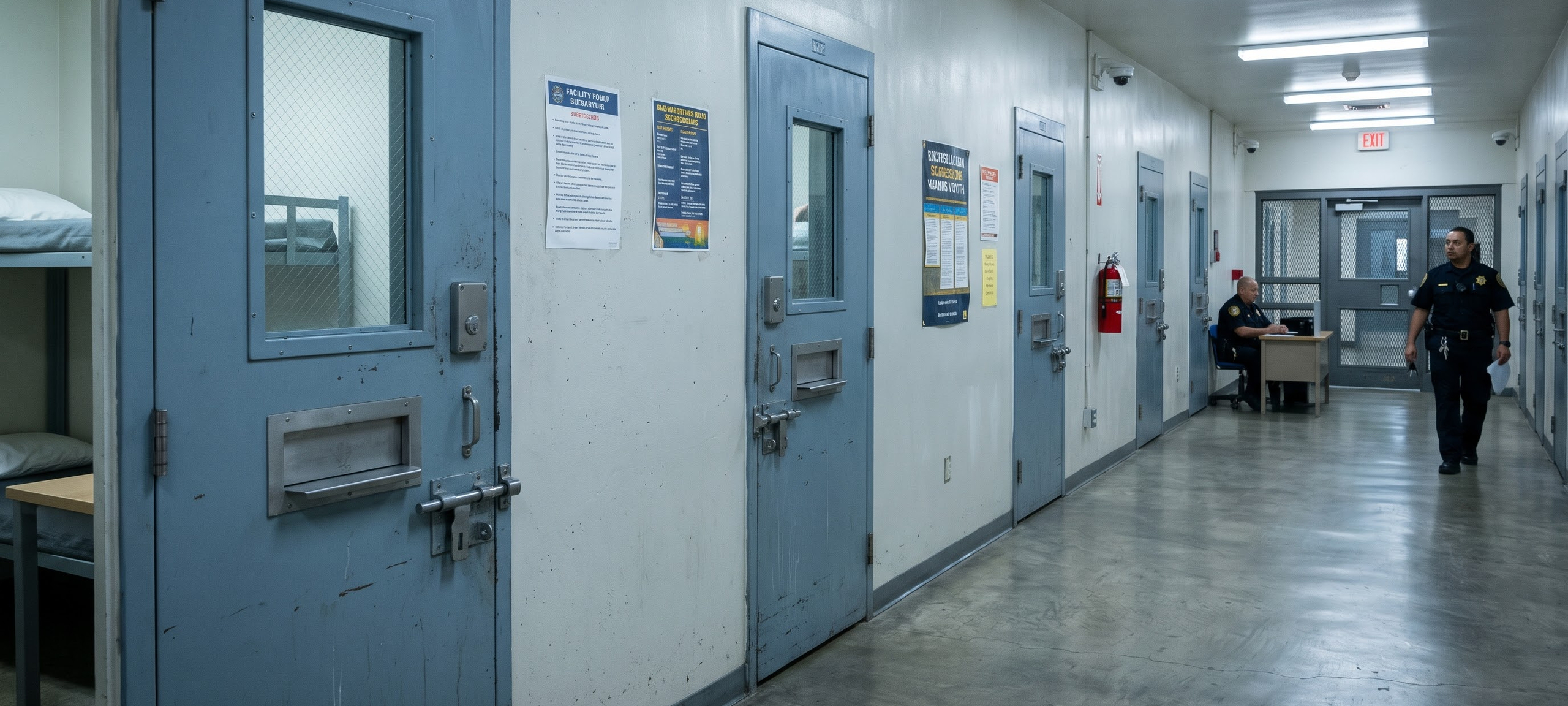
The Ellis County design calls for 104 beds, and Brazoria County’s matches it. TJJD and the Legislature round that 208 to “approximately 200,” as a policy target rather than a contradiction.
Bed count also tells you less than people assume. Occupancy flexes with staffing, treatment and admissions, so a 104-bed campus won’t always house 104 youth, and the amount of inmates greatly depends on being able to hire the staff it takes to run a 24-hour secure campus across multiple shifts.
On timing, TJJD’s latest public schedule has construction running through 2028, owner occupancy in late 2028 or early 2029, and completion in the first half of 2029. TJJD’s 2025 update had targeted completion for October 2028, so the date has already slipped once. Even the current target date is one that weather, utilities, inspections, procurement and labor can easily move further into the future. The pressure is also running the other way: at the groundbreaking, State Rep. David Cook publicly challenged the construction partners and the department “to deliver this facility much sooner than the middle of 2029.”
Swipe sideways to see the full timeline →
Executive Director Shandra Carter resigns; Deputy Executive Director Sean Grove named interim leader.
TJJD Governing Board meets, the first board session under interim leadership.
Tentative Sunset Commission public hearing on TJJD’s limited-scope review.
90th Legislature convenes. Funding to staff and open the new campuses is decided this session.
Sources: Texas Tribune ($200M, 2023); HB 500, Sec. 5.05 ($104M); Fox 4 (Dec. 5, 2024 site approval); TJJD, New builds update (lease, design phase, 2025 schedule); TFC Minutes No. 156 (Vaughn award, $204,693,205, both campuses); Lone Star Standard (current schedule); Texas Tribune, Oct. 23, 2026 (leadership change); TJJD, 90th session preview (Jan. 12, 2027 session, activation request). Board meeting and Sunset hearing dates per TJJD and Sunset Commission postings as of Oct. 27, 2026. Bar positions are approximate to the month.
Owner occupancy is also not the same thing as opening day. Before a secure state facility accepts its full population, it has to test building systems, commission security, hire and train staff, install equipment and run operational drills. So far, TJJD has not posted a first-admissions calendar.
Will Traffic Increase on FM 878?
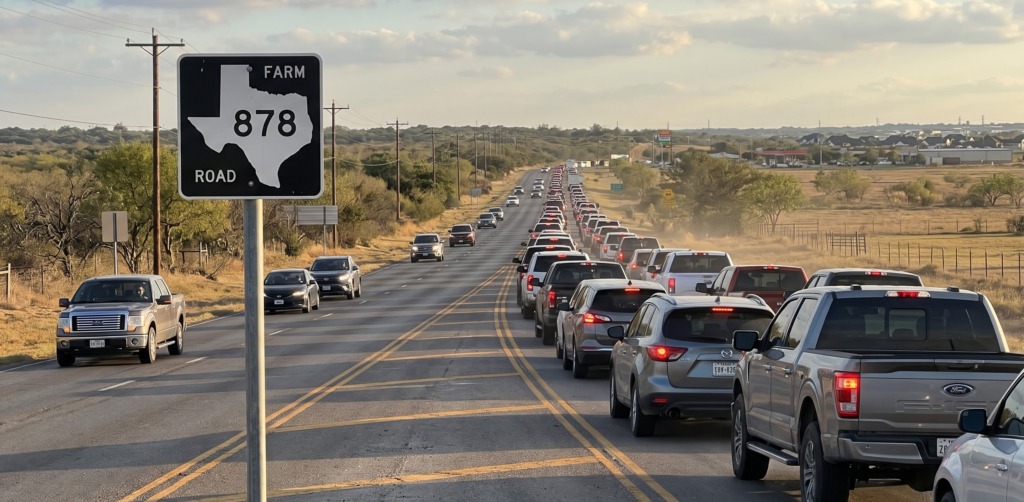
Some increase is a reasonable expectation, because a 24-hour facility runs on employees, vendors, visitors, service vehicles and youth transport, with construction traffic arriving long before any of that. The pattern most likely to matter day to day is shift change rather than a school-style morning or afternoon spike.
What does not exist yet is a public, project-specific traffic-impact analysis. None have turned up in the sources reviewed for this article, so anyone quoting vehicle counts, promising a road widening or forecasting gridlock is just guessing. Off-site improvements will depend on the final site plan, utility coordination and the agencies responsible for the surrounding roads.
If you live along the ellis county corridor, watch the Ellis County Commissioners Court agendas, TJJD updates and Texas Facilities Commission documents for answers to the questions that actually shape your daily life:
- Where will the permanent public and employee entrances sit?
- Will construction traffic share the route employees and visitors will use?
- Are turn lanes, signals, shoulders or intersection upgrades planned?
- How will stormwater detention and drainage be handled?
- What exterior lighting standards will apply?
- What landscape buffers and setbacks will separate the campus from neighboring land?
- Which agencies hold primary emergency-response jurisdiction?
The Second Facility on the County’s Radar
The juvenile campus may not be the last public facility on this land. The Waxahachie Sun reports that the Emerging Ellis County 2050 Strategic Plan includes a new adult county jail at the same site, with the Wayne McCollum Detention Center in downtown Waxahachie expected to be demolished once it is replaced.
That is a long-range county planning item, not an approved or funded project, and no timeline, size or design has been published. It still matters more to nearby owners than almost anything else in this story. A state juvenile treatment campus and an adult county jail are different uses with different populations, traffic patterns and public perceptions. The possibility that FM 878 becomes a consolidated public-safety corridor is exactly the kind of long-term land-use question a buyer or seller should be tracking now. The place to watch is the Ellis County Commissioners Court, where any move from strategic planning to a real project will have to show up on an agenda.
What Does It Mean for Public Safety?
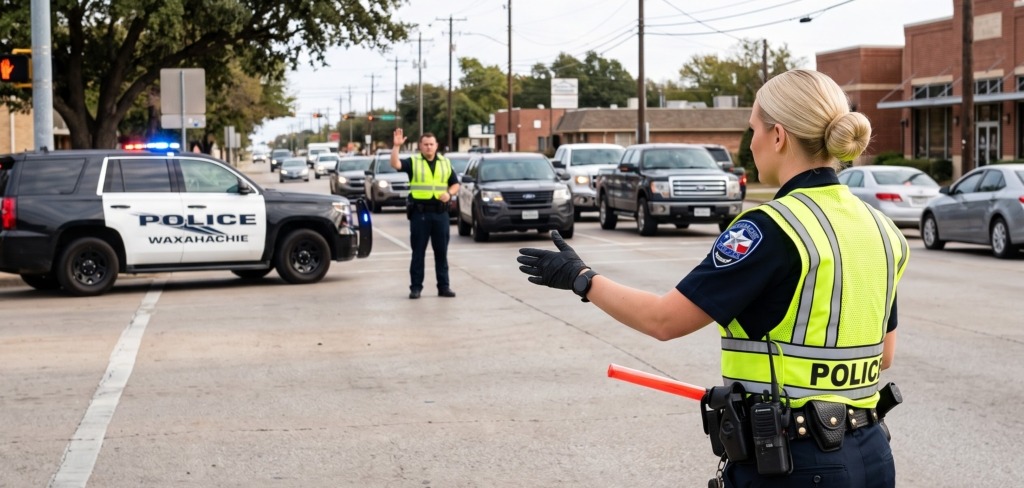
A secure juvenile campus should be judged by its documented operating plan rather than by assumptions about the young people it serves. This is not a walk-in clinic, a probation office or an unsupervised group home. Youth in TJJD’s secure facilities live under controlled movement, with juvenile correctional officers present around the clock that accompany the youth whenever they leave the dorm. TJJD frames their new facilities around one stated priority: “We are always focused on safety first for staff, youth and communities.” Detailed security specifications and emergency procedures stay non-public, as you would expect for an active secure site.
There is no local evidence on how this campus will affect the surrounding area, and the national research is thin, consisting largely of a 1987 federal study of adult facilities that found escapes do not significantly threaten nearby residents. The real answer will only come from Waxahachie-area data after the doors open.
Honest coverage also has to name the system’s potential problems. Ahead of the 2026 groundbreakings, the Texas Civil Rights Project called on TJJD to cancel them, and the Lone Star Justice Alliance demanded an independent investigation, after a statewide lockdown that advocates say confined hundreds of youth to their cells for days, according to KUT and Texas Newsroom reporting. TJJD called the lockdown, which followed an August assault that hospitalized an officer at its Gainesville facility, a safety reset rather than a punishment. A serious local conversation holds TJJD’s stated goals and that scrutiny side by side, and judges the facility on whether staffing, treatment and oversight actually deliver.
Will It Affect Waxahachie Property Values?
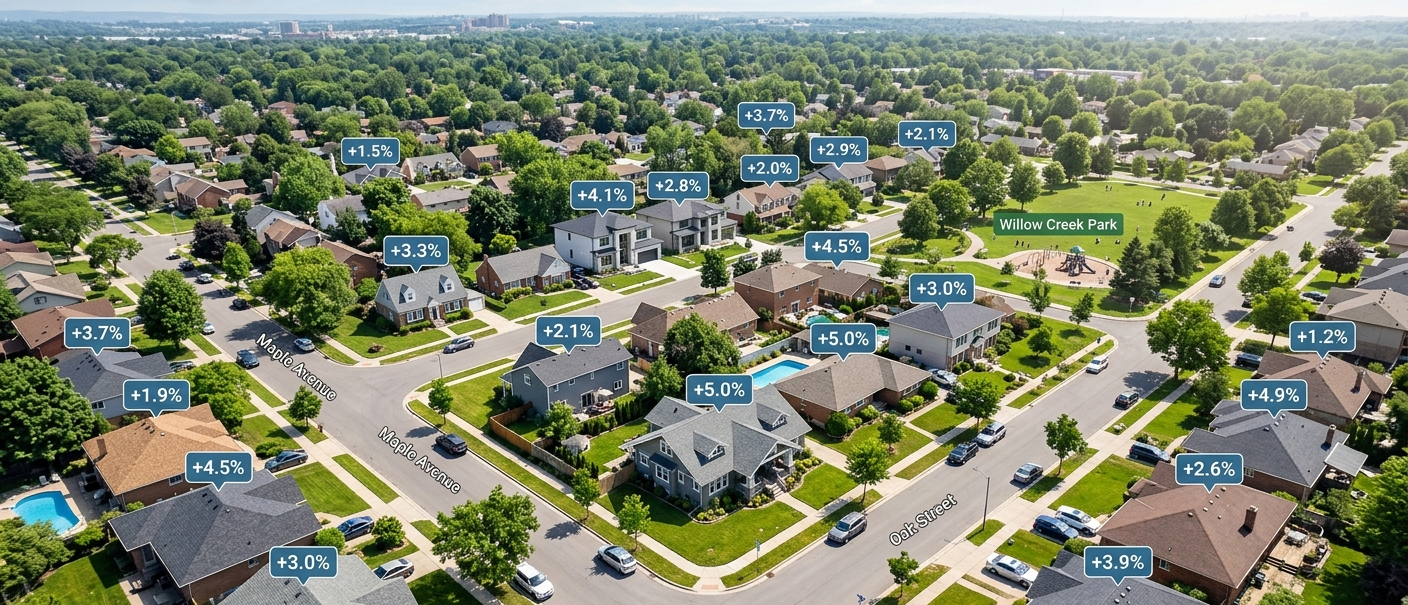
Nobody can give you a reliable percentage today, and anyone who does is selling something. The facility has not opened, no post-opening sales exist, and agents, activists and social accounts promising a fixed gain or loss are all getting ahead of the market.
The national research points in more than one direction. A 2019 peer-reviewed study in Sociological Perspectives examined 12,790 neighborhoods in 124 large U.S. cities and found that housing outcomes in neighborhoods that gained a correctional facility did not differ from what would have been expected without one, calling property-value fears “generally unwarranted.” A 1978 study of 587 homes near facilities in Green Bay and Waupun, Wisconsin found no measurable negative effect on values, with ordinary property features mattering far more than distance or visibility. A more recent, unpublished academic job-market paper using repeated-sales data reached the opposite result, estimating that new correctional or rehabilitation facilities lowered nearby property values by about 20% on average, with a smaller effect of roughly 8% in rural areas and results varying by facility type.
None of these studies looked specifically at a juvenile campus on rural-edge county land like FM 878, which is exactly why a local sales baseline is worth more than any national average. Different methods, eras and land-use contexts produce different answers, so the defensible conclusion is uncertainty rather than a universal premium or a universal discount.
In Waxahachie, five factors will matter more than the headline:
- Distance and visibility. A home sharing a boundary or a direct view will draw different buyer reactions than one several miles away.
- Road exposure. Properties on the main employee or construction route may experience something homes across other roads never notice.
- Final design. Setbacks, landscaping, lighting, drainage, fence placement and topography shape what neighbors actually see and live with.
- Competing market forces. Mortgage rates, new-home inventory, school boundaries, taxes, insurance and thousands of planned homes can easily overwhelm the effect of one institutional project.
- Actual operation. Staffing stability, maintenance, traffic management and community communication will matter more over time than any early rendering.
The smart move for a nearby owner is to build a baseline now, before opening, by tracking arm’s-length sales by distance band, property type, age, size and road exposure instead of comparing one nearby sale against a citywide median. Run it again at each major milestone and you will know whether the market is pricing a real effect. When the question is about one specific property for a legal, tax or lending decision, bring in a licensed appraiser.
For citywide context, the current North Texas listings, the guide to Waxahachie’s historic housing and development patterns and the Waxahachie ISD guide help separate property-specific issues from sweeping claims about an entire city.
If You Own a Home Nearby

A groundbreaking is not a reason to panic-list. Selling is a financial decision built on your equity, mortgage terms, time horizon, replacement-housing cost, commute and taxes, and the facility may be material to some buyers and irrelevant to others.
What you can do right now is protect your position:
- Save dated copies of official maps, renderings and project updates.
- Photograph current road, drainage, lighting and view conditions from your property.
- Track comparable sales in consistent distance bands instead of trading rumors.
- Show up to public meetings when access, roads, utilities, emergency planning or future county uses of the site hit the agenda.
- Get a licensed appraiser involved if value drives a legal, tax or lending decision.
- Talk through disclosure questions with a Texas real estate attorney or your listing broker before you market the home.
When you do sell, the marketing should be accurate and neutral. Never hide a fact a buyer asks about directly, and never speculate about crime, future value or the youth the facility serves. Good representation puts verifiable information on the table and lets the buyer decide what matters to them.
If You’re Buying in Waxahachie

There is no blanket answer here, and an honest agent will not pretend there is one. Buyers have different priorities, and a real estate professional’s job is to help you weigh objective, property-specific facts rather than push you toward or away from any area based on labels.
Do the work on the specific house. Drive the route at different times of day, note the parcel’s distance, sight lines, road frontage and traffic controls, and check floodplain and drainage conditions. Confirm school attendance boundaries directly with the district, verify taxes by parcel, get an insurance quote, compare recent sales and pull published statistics from local public-safety agencies instead of relying on neighborhood chatter.
If you are comparing options across Ellis County, the Red Oak city guide, the Midlothian city guide and the Waxahachie-area city-fit quiz are good starting points, and buyers coming from out of state can begin with the North Texas relocation hub and the buyer resource center, where the focus is on total monthly housing cost(Texas property taxes, insurance, special districts and utilities) rather than sales price alone.
What to Watch Next
The groundbreaking settled whether this project is real. The information that will actually shape outcomes comes next:
- Final address and parcel boundaries, tied to the state project rather than recycled pins for the county office.
- A facility-specific budget, since only the combined two-project allocation is public.
- Access and road work, including entrance locations, turn lanes, signals and construction routing.
- Drainage and utilities, which TJJD’s 2025 update still described as active coordination work.
- The county’s long-range plans for the site, including the adult jail in the Ellis County 2050 Strategic Plan.
- A permanent executive director, as the TJJD board runs its search.
- Three state dates on the calendar: the TJJD board meets November 20, 2026; the Sunset Commission’s tentative hearing on its limited-scope TJJD review is set for December 15–16, 2026; and the 90th Legislature convenes January 12, 2027, where the money to staff and open the new campuses will be decided.
- The permanent staffing plan, with position counts, hiring dates, pay ranges and training timelines.
- The activation schedule, because completion, owner occupancy and first admissions may land on different dates.
- Performance after opening, measured in staffing vacancies, incidents, education, treatment participation and reentry outcomes.
The land as landlord under the ground lease, county road and drainage coordination, and the 2050 Strategic Plan that names the site for a future adult jail.
Operations once built: hiring, training, programming, security procedures, admissions and the opening date. Led by an interim director since Oct. 23, 2026.
Design and construction: contracts, the construction schedule, site plan and building commissioning.
The money and the mandate. It funded both campuses and wrote the siting intent into House Bill 500.
Sign-off on site selection under the Legislature’s rider, the approval that had to clear before Ellis County was final.
Your timing, your data and your voice at public meetings. The county sits closest to the questions that touch your property.
Sources: HB 500, Sec. 5.05 (funding, siting intent, LBB approval of site selection); TJJD, New builds update (ground lease, TFC role); Waxahachie Sun (2050 Strategic Plan); Ellis County Agenda Center.
The Insider Take

Here is my read: the facility is not what moves the market around FM 878. Uncertainty is. Right now the people who live near this site are being handed a choice between rumor and record, and the ones who choose the record are going to make better decisions about selling, holding and buying than the ones reacting to a screenshot of a rendering.
Look at what is actually known. The state picked this site to solve a staffing crisis, and everything this campus promises, from treatment to safety to the 400 jobs, depends on solving that crisis. In 2022 TJJD had filled only 44% of its officer positions, the agency is now under an interim leader, and the money to hire this campus’s staff will be decided in the session that opens January 12. That staffing number, not the rendering, is the one to watch, because a fully staffed treatment campus and a short-staffed one are two very different neighbors.
Look at what is still unknown: the exact parcel, the entrances, the buffers, the traffic plan, and whether the county’s long-range plan to put an adult jail on the same land ever moves from strategy document to approved project. That last question could turn one institutional campus into two, and it deserves as much attention as the groundbreaking itself. Every one of those unknowns will be answered in public documents over the next few years, and every answer will be data you can price.
Waxahachie is absorbing a 13,000-home master-planned community, mixed-use proposals, road projects and a wave of commercial growth all at once. In a city moving that fast, public facilities on FM 878 are a variable worth tracking, but not the verdict on an entire market. The homeowner who builds a sales baseline this fall, follows the agendas and makes moves on evidence is five steps ahead of the one who panic-lists in November or dismisses the whole thing as noise.
Frequently Asked Questions

1. What is being built on FM 878 in Waxahachie?
Texas is building a 104-bed, state-operated secure juvenile correctional facility on the Ellis County farm property near the existing Ellis County Juvenile Services building. The Texas Juvenile Justice Department designed it for youth with the highest mental and behavioral-health needs in state care, with Mental Health Treatment Programs, a Behavioral Stabilization Unit and a Crisis Stabilization Unit.
2. Where exactly is the new juvenile facility in Waxahachie?
The site is on FM 878 just outside Waxahachie city limits, at the county farm property where Ellis County Juvenile Services sits; the county lists that building at 2272 FM 878. Ellis County leased the land to the state on a 50-year ground lease. No final street address, legal description or acreage for the new facility has been published, so any precise parcel pin circulating online should be treated with caution.
3. Is Waxahachie getting a juvenile prison?
Waxahachie is getting a secure state juvenile correctional facility, so the correctional function is real, but it is not an adult prison or a county jail. Its specific assignment is treatment and stabilization for youth with high mental and behavioral-health needs who have been committed to state custody by juvenile courts.
4. How many beds will the Waxahachie juvenile facility have?
The Ellis County design calls for 104 beds, and the companion Brazoria County facility is also planned for 104 beds. State communications are rounding the combined expansion down to approximately 200 beds, which is the policy target behind the two 104-bed designs.
5. How much is the Waxahachie juvenile facility costing taxpayers?
The Legislature has provided $304 million for the Ellis County and Brazoria County facilities combined, starting with $200 million in the 2023 budget and adding $104 million in 2025 through House Bill 500 to complete both projects. No Waxahachie-only total has been published, so describing the Ellis County campus by itself as a $304 million building is inaccurate.
6. When will the new juvenile facility in Waxahachie open?
The groundbreaking took place on October 7, 2026. TJJD’s latest schedule targets construction completion in the first half of 2029, with owner occupancy anticipated in late 2028 or early 2029, and no first-admissions date has been announced because hiring, training and security commissioning still have to happen after construction.
7. How many jobs will the Waxahachie juvenile facility create?
TJJD projects approximately 400 new jobs in each host community, spanning correctional officers, teachers, case managers, mental-health providers, medical staff, administrators and support roles. The agency has not released a Waxahachie hiring schedule or position-by-position breakdown, so official state employment postings are the place to watch for real openings.
8. Will the Waxahachie juvenile facility lower nearby home values?
No reliable local percentage can be stated before the facility opens and enough sales accumulate. Published research is mixed: a 2019 study of 12,790 urban neighborhoods found no meaningful housing effect, while a recent unpublished working paper estimated an average decline of about 20% near new facilities, closer to 8% in rural areas, varying by type. None of that research specifically studied a juvenile campus on rural-edge land like FM 878, so property-specific analysis built on distance, visibility, traffic exposure, buffers and comparable sales is the most defensible approach.
9. Will the new facility increase crime in Waxahachie?
There is no local evidence either way yet, because the facility has not opened. What is documented is the operating model: a secure campus with controlled movement and juvenile correctional officers present around the clock. The real answer will come from official Waxahachie-area public-safety data after opening, not from predictions built on stigma or anecdotes.
10. Is an adult jail also planned for the same site?
The Emerging Ellis County 2050 Strategic Plan includes a new adult county jail at the same FM 878 site, according to local reporting, with the downtown Wayne McCollum Detention Center expected to be demolished afterward. It is a long-range planning item, not an approved or funded project, and any real proposal would have to come before Ellis County Commissioners Court.
11. How can Waxahachie residents follow construction updates?
Follow TJJD’s official new-facilities page and agency announcements, then watch Texas Facilities Commission records and Ellis County Commissioners Court agendas for items involving access, utilities, future site uses and local coordination. The next state dates to watch are the TJJD board meeting on November 20, 2026, the Sunset Commission hearing set for December 15–16, 2026, and the start of the legislative session on January 12, 2027. Verify major claims against primary documents, because dates, addresses, costs and renderings can change during construction.
Consumer and Advertising Notice
This article provides development and real estate market information, not legal, appraisal, tax, engineering or public-safety advice. Property effects vary, and no future value, marketability, traffic level or safety outcome is guaranteed.
Housing services are offered without preference or limitation based on race, color, religion, sex, national origin, familial status, disability or any other protected status, as explained in HUD’s Fair Housing Act overview. Consumers should make location decisions using objective information and their own priorities.
Bobby Franklin, REALTOR®, North Texas Market Insider™ | Broker: Legacy Realty Group – Leslie Majors Team. Texas Real Estate Commission Consumer Protection Notice and Information About Brokerage Services are available in the site footer.







Join The Discussion