Every agent in North Texas is running the same playbook right now. “World Cup is coming. List your house. Make $4,400 a week. Print money.”
I’m about to tell you the part they’re not telling you.
That $4,400 booking can cost you your homeowners insurance. Not “might”, can. And not just for the week the guests are inside. Long after the final whistle in Arlington, long after the tourists fly home, long after you’ve spent the rental income on a new patio set, that one booking can be the reason a hailstorm claim gets denied next May. The reason your carrier non-renews you in October. The reason your lender slaps you with force-placed insurance that triples your monthly payment.
This isn’t a theoretical risk. This is the most expensive coverage gap in Texas residential real estate right now, and almost nobody hosting a World Cup match weekend understands it.
I’m going to walk you through exactly how the trap works, how standard Texas homeowners policies are built to fail short-term rental hosts, what the lenders are about to do, and, most importantly, who you call in North Texas to actually fix it before you list.
If you own a home in Waxahachie, Midlothian, Red Oak, Ennis, Arlington, Mansfield, or anywhere in the South DFW corridor, and you’re even thinking about listing for the 2026 FIFA World Cup, this is the article that keeps you out of court, out of bankruptcy, and out of the headlines.
What Your Standard Texas Homeowners Policy Actually Covers
Let’s get clear on the foundation before we get into the trap.
Most owner-occupied homes in Texas are insured on an HO-3 form or something structurally similar. That policy is built around a specific assumption: an individual or family lives in the home as their primary residence, with normal household activity, normal household guests, and normal household liability exposure. The premium is calculated on that assumption. The underwriting is calculated on that assumption. The claims handling is calculated on that assumption.
Your HO-3 covers the dwelling, your personal property inside it, additional living expenses if you’re displaced by a covered loss, and personal liability if someone is injured because of your normal household activity. That’s it.
What you it doesn’t cover, and what no standard HO-3 includes by default, is coverage for running a hospitality business out of your house. Which is exactly what hosting World Cup guests is, in the eyes of an underwriter.
The moment a paying guest checks in, you’ve changed the “use” of the property. The risk profile changes. The liability exposure changes. The wear-and-tear assumption changes. Your insurance carrier didn’t price for any of it and most carriers have one specific tool to deal with that mismatch: the business-activity exclusion.
The Business-Activity Exclusion Explained

This is the engine of the whole trap. Pay attention.
Most Texas homeowners policies contain language that excludes coverage for losses arising out of business activity conducted on or from the insured premises. The wording varies carrier to carrier, but the practical effect is consistent: if the carrier classifies the activity that caused the loss as a business pursuit, coverage narrows or disappears entirely.
The carriers know exactly what short-term rental activity looks like. They have entire departments dedicated to it. Airbnb listings are publicly searchable. Vrbo listings are publicly searchable. Property management software leaves digital fingerprints. When a claim comes in and the adjuster pulls up an Airbnb listing for the property with five-star reviews from paying guests, that adjuster doesn’t have to be a forensic genius to figure out what’s been happening.
The dangerous misconception is that “just one booking” is somehow protected because it wasn’t a sustained operation. The policy language doesn’t care about volume. The policy language cares about whether the home was used for compensated transient lodging, a one-night stay can satisfy that test. A one-week World Cup stay absolutely satisfies it.
So the framework is this: you list the home, you accept payment, you hand over the keys, a guest gets hurt or causes damage or starts a kitchen fire, you file a claim, the adjuster investigates, the listing surfaces, and the carrier reaches for the exclusion. The denial letter arrives. You’re now uninsured for the loss. That’s bad. But that’s not the worst of it….
The Real Risk: What Happens After the Denial
A denied claim is a contained problem. You eat the loss, you fight it through your attorney, maybe you reach a settlement, life moves on. Painful, but contained.
Once the carrier has investigated and concluded the property was being used in a way that wasn’t disclosed at underwriting, and that the undisclosed use was material to how the policy was priced and issued, Texas insurance law gives the carrier real options. The carrier can non-renew you at the next renewal. The carrier can cancel mid-term in some circumstances. And in the most serious situations, the carrier can pursue a rescission position arguing the policy should be treated as void from the start.
Rescission is the nuclear option. When it works, the legal effect is treating the policy as though it never existed. You don’t just lose coverage going forward, all of your coverage retroactively disappears too, which can affect the resolution of any claim that hadn’t fully closed. Texas has guardrails on rescission, including requirements around materiality and intent in many situations, but the threat is real and it’s actively used in coverage disputes when carriers believe the use of the property was misrepresented.
Here’s why this matters in plain English: a World Cup booking in June 2026 can produce a claim investigation that’s still poisoning your coverage posture in November 2026. And November in North Texas means hail and tornado season and is around the corner.
You can read the legal mechanics yourself in the Zelle LLP analysis of non-renewal, cancellation, reformation, and rescission of Texas insurance policies and in Carlton Fields’ coverage of Texas’s intent-to-deceive requirement. I’m not your insurance attorney and I’m not going to pretend to be. What I’m telling you is that this isn’t fringe legal theory. This is core insurance law actively shaping how Texas coverage disputes get resolved.
Why This Is Catastrophic in North Texas Specifically
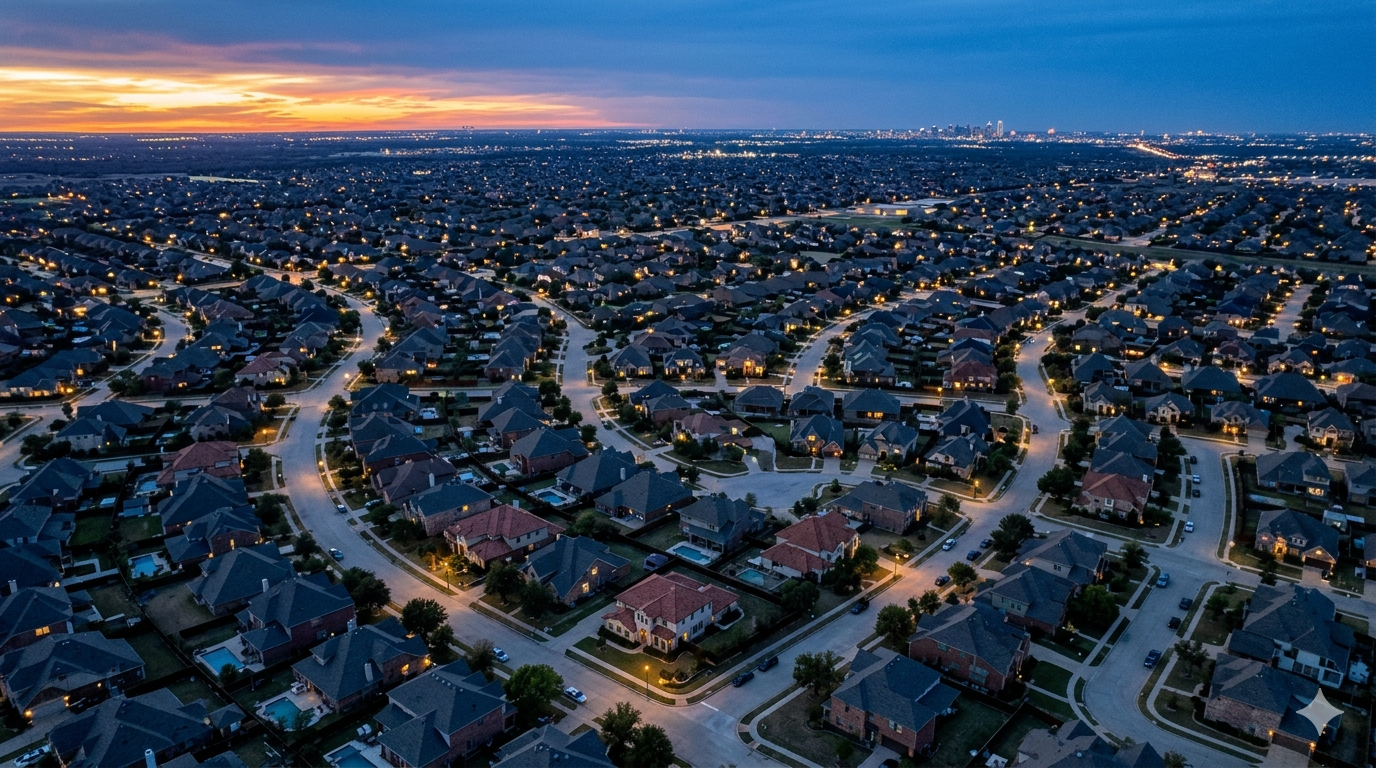
Now let’s talk about why the risk is twice as dangerous in our part of the state.
Texas is one of the most hail-exposed states in the country, year after year. The Dallas-Fort Worth metroplex sits in the heart of the corridor that gets pounded with North Texas taking more severe hail damage than most of the rest of the country combined in a typical season. Ellis County, Dallas county, Tarrant and Johnson county, pretty much all of southern DFW is in that corridor.
In Waxahachie alone, I’ve watched insurance roof claims become a routine seasonal event. Midlothian gets hammered just as hard as Red Oak, Ennis, Italy and even Palmer. The math of homeownership in this market assumes you’ll be making a serious storm-related insurance claim somewhere in your ownership timeline. Sometimes more than one.
Now overlay the World Cup on that reality.
You list the house in May or June 2026 on Aribnb, Vrbo or some other STR platform. You host, maybe you get a guest claim, maybe only a documentation issue, and maybe nothing happens at all. But, the carrier still learns about the listing on a routine review. Suddenly, your coverage posture gets weaker, non-renewal is threatened, you face restricted endorsements, premium hikes, and possibly a carrier change you didn’t choose.
Then a hailstorm rolls through Ellis County in April 2027. You file the claim that, in a normal world, would have been a routine roof replacement and a check from the carrier. Now it’s a fight. Now it’s an investigation. Now it’s coverage you assumed was solid suddenly looking shaky.
The World Cup booking didn’t just affect your policy for the World Cup booking. It affected every storm claim that came after it.
For homeowners in Ellis County who already understand how seriously hail and severe weather shape homeownership economics, this is the part of the conversation that should land hardest. The continuity of your homeowners coverage is one of the most valuable financial features of owning your home. You shouldn’t trade that for one week of rental income. But some are trying…
The Numbers Nobody Wants You to See
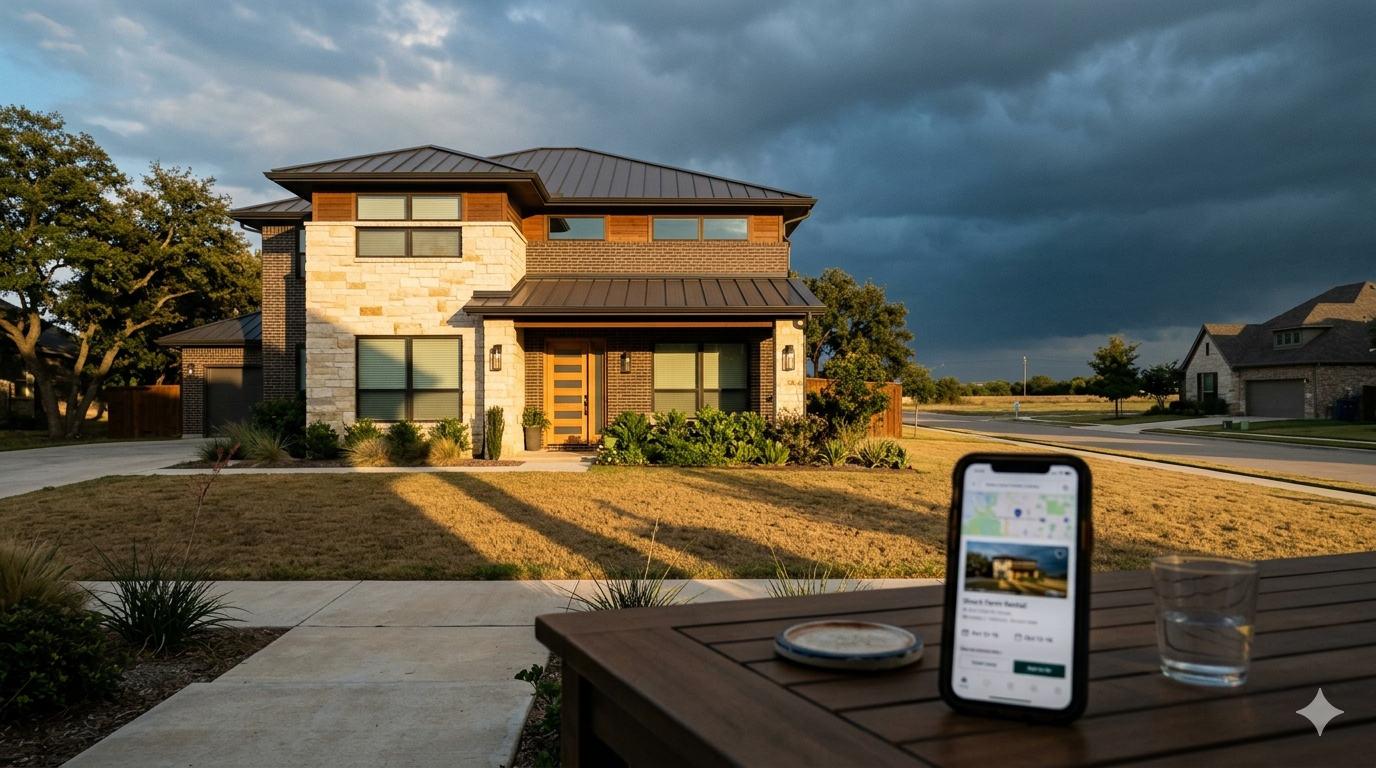
Let me put real data on this so you understand the scale of what’s about to happen.
The DFW metroplex has somewhere between 15,000 and 20,000 active short-term rental listings on Airbnb and Vrbo combined. AirDNA tracks 9,866 active listings inside the city of Dallas alone, 3,515 in Fort Worth, and 1,762 in Arlington. Plano, Frisco, McKinney, Garland, Mansfield, Cedar Hill, and the smaller Ellis County markets layer additional inventory on top of those headline cities. No single source publishes a clean metro-wide total, but the city-level numbers tell the story: this is one of the largest short-term rental ecosystems in the country, and most of it is operating under residential homeowners insurance that was never built for the use.
Overlay The World Cup On Top Of That
Deloitte, in analysis prepared for Airbnb, projects 42,000 Airbnb guest stays in North Texas during the 2026 FIFA World Cup, generating roughly $35 million in DFW Airbnb bookings and an average payday of about $4,400 per host. PriceLabs data shows North Texas STR bookings spiked 102% the moment the World Cup group-stage match schedules were announced in early December 2025. AirDNA reports Dallas STR demand for June 2026 is up 300–500% year-over-year, Fort Worth is up 500–700%, and Deep Ellum nightly rates are up 210% during the group stage window. Airbnb itself reports DFW bookings are up 260% year-over-year with roughly 10% more listings added to meet demand.
Then there’s the part that should make every homeowner pause. Airbnb is currently offering a $750 sign-up bonus to first-time DFW hosts who complete a guest stay before July 31, 2026. That’s the largest new-host bonus in the company’s history. Translation: Airbnb is paying thousands of inexperienced North Texas homeowners to onboard onto the platform during the exact window when the insurance risk is most dangerous. The hosts most likely to be drawn in by a $750 bonus are also the most likely to skip the step of calling their insurance carrier. That’s the population this article is written for.
The Insurance Side Of The Math
On March 11, 2026, the Insurance Information Institute(the insurance industry’s primary research and education body) published an Outlook Report titled Short-Term Rentals and Homeowners Insurance. The report’s central finding is unambiguous: standard homeowners insurance typically does not cover commercial activities, including renting out a property on a short-term basis, and failing to notify your insurer can result in denied claims, reduced liability coverage, higher deductibles, or outright policy cancellation. This is not a fringe opinion from a specialty carrier. This is the insurance industry, on the record, in writing, saying the gap exists and the consequences are real.
The Texas Department of Insurance(TDI) reaches the same conclusion on its own consumer page. TDI directly tells Texas homeowners that most homeowners insurance won’t cover damage tied to a paying-guest rental, or will limit what it pays for, and that hosts should ask their insurance company about adding coverage before they list.
How Big Is The At-Risk Population?
A 2024 Insurance.com survey of 232 home-share hosts found that only 12% of hosts relied solely on standard homeowners insurance with no endorsement and no STR-specific policy, the highest-risk tier. 52% relied only on the host platform’s protection like Airbnb’s AirCover, which as discussed below is not real insurance. Only 37% had purchased both an endorsement and platform coverage, the configuration that actually closes most of the gap. Steadily, one of the major specialty STR carriers, has published an industry estimate that roughly 40% of Airbnb hosts are underinsured or completely unprotected against the unique risks of short-term rental operations.
Apply those national figures to a DFW universe of 15,000–20,000 active listings, and the math is brutal. Somewhere between 1,800 and 2,400 DFW short-term rentals are operating in the highest-risk insurance posture right now, relying entirely on a standard homeowners policy that almost certainly excludes rental activity. If you trust Steadily’s broader 40% figure for “underinsured or unprotected,” the number rises to 6,000 to 8,000 DFW listings exposed in some form. Both of those figures are likely to grow as the World Cup onboarding wave brings new, less-prepared hosts onto the platform over the next 60 to 90 days.
The municipal compliance data tells the same story from a different angle. Of the roughly 2,032 active Airbnb listings tracked in Fort Worth in mid-2025, zero percent displayed a valid city license. The City of Fort Worth has formally investigated 222 properties, issued 114 violations, and issued 182 STR-related citations in 2023 plus 88 more in early 2024, and that enforcement has barely scratched the inventory. In Arlington, there are 1,762 active listings tracked by AirDNA against just over 200 permitted STRs at the city level. Roughly 8 out of 9 nine Arlington listings appear to be operating outside the city’s regulatory perimeter. A homeowner who can’t be bothered to register with the city is almost certainly not having a serious conversation with their insurance carrier either.
Texas-specific claim denial data is harder to come by, the Texas Department of Insurance does not publish STR-specific denial counts, but the broader denial environment Texas homeowners are operating in is well-documented. Weiss Ratings analysis cited by Texas insurance attorneys at Daly & Black, P.C. shows that the top 10 Texas homeowners insurers had an average no-payment closure rate of 47% in 2024, up from 35% in 2016. Nearly half of all Texas homeowners claims close without payment in the current market. That’s the environment your STR-related claim is going to land in if you don’t structure coverage correctly on the front end.
The Data Layer
- An estimated 1,800 to 8,000 DFW short-term rentals operating in some form of insurance exposure right now.
- 42,000 World Cup guest stays projected.
- A $750 bonus actively pulling new, unprepared hosts onto the platform.
- The insurance industry’s primary research body and the Texas Department of Insurance both publicly confirming the coverage gap is real.
- Every one of those figures is an indicator pointing the same direction — the risk is not theoretical, the population at risk is large, the timing is happening right now, and the consequences are documented.
The cheerleader articles aren’t running these numbers. They’re running the $4,400 number and stopping there. But you deserve the rest of the story.
Your Umbrella Policy Is Not Going to Save You
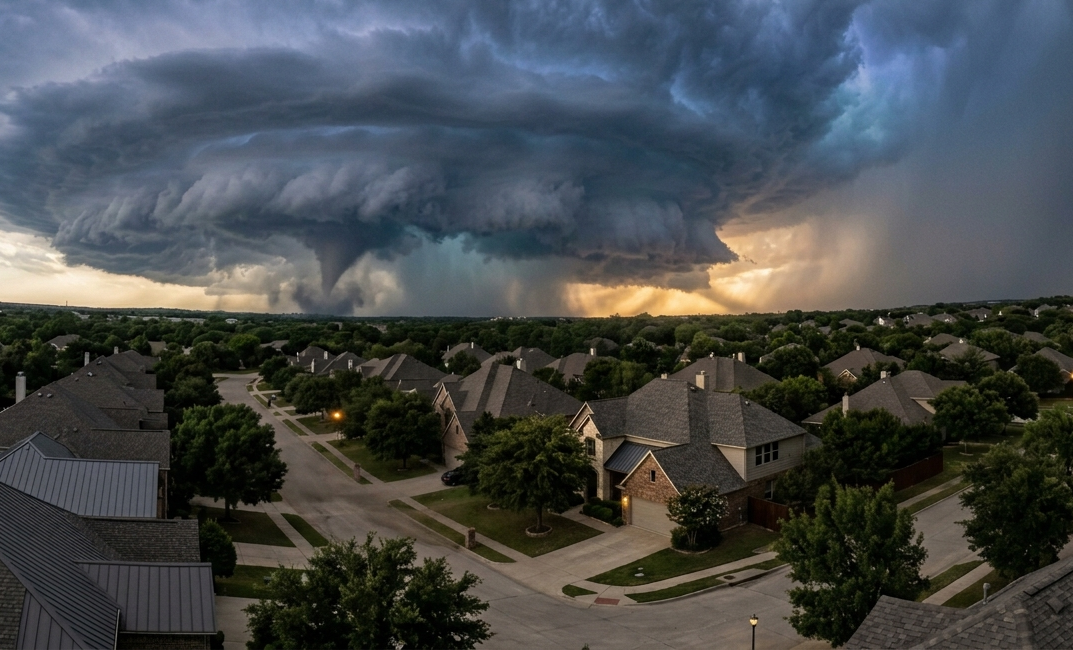
This is the second misconception I hear constantly: “I’ve got an umbrella, I’m fine.” I’ve got news for you….. You’re not fine.
Personal umbrella policies in Texas, the kind most homeowners carry on top of their home and auto coverage, are built to follow the structure of the underlying personal lines policies they sit on top of. They typically contain their own exclusions for business activities. They typically don’t extend coverage into territory the underlying policy excludes.
So when the homeowner’s carrier denies a guest claim on a business-activity exclusion, the umbrella carrier looks at the same fact pattern and reaches the same conclusion. The umbrella stands down. You’re now exposed twice, uninsured at the primary level and uncovered at the excess level.
This matters because the worst-case STR liability scenarios like a guest gets seriously injured, a guest’s child gets seriously injured, a fire that spreads to a neighbor’s home, an assault on the premises, are the kind of cases that produce 6-7 figure verdicts. The whole reason people buy umbrella policies is to backstop exactly that kind of catastrophic exposure. If the umbrella turns into a $200/year piece of paper that doesn’t actually respond when you need it, the homeowner is personally on the hook for the full amount of the judgment.
Specialty STR carriers and insurance attorneys have been screaming about this for years and homeowners keep ignoring them. Don’t ignore it. Your umbrella was bought for a different scenario than the one you’re about to walk into.
City Permits Are a Risk Inside a Risk
A few of the cities in our metroplex have started building short-term rental compliance frameworks. Fort Worth has a structured guidance page. Arlington put out a public reminder ahead of the World Cup specifically to homeowners thinking about listing. Several other municipalities require some kind of registration, permit, occupancy tax collection, or insurance documentation as part of operating an STR.
You can read Fort Worth’s official short-term rental guidance and Arlington’s pre-World Cup guidance to homeowners thinking about listing. Both are useful. Both also create a problem nobody is talking about.
Here’s the issue: when the city accepts your insurance certificate as part of the permit process, that acceptance is not an insurance coverage analysis. The clerk processing the permit is verifying that a piece of paper exists with the right limits printed on it. The clerk is not pulling the policy form and analyzing whether the carrier’s business-activity exclusion will respond to a paying-guest claim. That work doesn’t happen at City Hall.
So you can be fully permitted, fully compliant on paper with the city, fully checked-the-box on the application, and still be carrying a homeowners policy that will deny a claim the moment a guest is involved.
A city permit gives you a false sense of security. The piece of paper looks like protection and isn’t. This is one of the most dangerous misconceptions in the entire World Cup hosting conversation, and almost nobody is warning homeowners about it.
The Home-Sharing Endorsement: Better Than Nothing, Not the Same as STR Coverage

Some carriers have responded to the rise of platform-based hosting by introducing home-sharing or host-activities endorsements that bolt onto a standard homeowners policy. These are real products, and in some scenarios they’re a reasonable answer. But they’re a narrow answer.
Home-sharing endorsements are usually designed for occasional, low-volume hosting. Think a homeowner who lives in the home full-time and occasionally rents out a spare bedroom or hosts a guest while they travel for a long weekend. The endorsements typically come with caps on the number of rental nights per year, restrictions on the type of rental activity, occupancy conditions, and exclusions of their own.
For a World Cup hosting plan involving multiple consecutive nights of paid transient guests with the homeowner not present, a home-sharing endorsement may or may not actually cover the activity. A lot of them won’t. And the homeowner who has one and assumes “I’m covered, I have the endorsement” is making the same mistake as the homeowner with the city permit, they’re confusing the existence of a document with the substance of coverage.
If you’re considering a home-sharing endorsement as your fix for World Cup hosting, the diligence is specific: How many nights does the endorsement allow per policy term? Does it require the homeowner to remain on the premises during the stay? Are there exclusions for whole-home rental? Are there exclusions for events, large gatherings, or commercial-style hosting? How does it interact with your umbrella?
These are the questions a homeowner can’t answer by reading the declarations page. This is a policy form analysis. You need a real insurance professional reviewing it line by line.
Dedicated Short-Term Rental Policies: Built for the Actual Use
When the activity becomes substantial: multiple bookings, calendar-managed turnover, professional cleaning, guest screening, extended hosting plans for events like the World Cup, the right answer is usually a dedicated short-term rental insurance policy.
These are products built from the ground up around the assumption that the home is being used as a transient lodging operation. The carriers offering them like Proper Insurance, Steadily, Safely, and others design coverage that actually fits the use: clearer treatment of business-activity scenarios, higher liability limits suited to commercial-style guest exposure, coverage for furnishings the way landlord policies cover them, income interruption protection if the home becomes unrentable, and other components a homeowners policy was never built to deliver.
The catch is underwriting timing. These policies aren’t always something you can bind tomorrow. Specialty STR carriers may want inspections, loss history, photos, occupancy documentation, and other underwriting steps that take real calendar time. As the World Cup approaches and demand for these products spikes, the queue gets longer. Homeowners who decide in May 2026 that they’ll list for a June 2026 match weekend may not leave themselves enough runway to actually bind appropriate coverage before guests arrive.
This is the part of the planning that nobody wants to hear. Insurance is the unsexy backstop that has to be locked down before any of the fun parts of hosting can happen.
Airbnb AirCover Is Not Real Insurance
Airbnb’s marketing of AirCover for Hosts is one of the most successful pieces of platform branding of the last decade. Hosts hear “AirCover” and think they’re protected. The platform has done a beautiful job framing it that way.
AirCover is not a substitute for real insurance. Airbnb’s own help documentation says so. Independent analysts say so. The Texas Department of Insurance says so. Read the Airbnb AirCover for Hosts help center page and the Steadily breakdown of why AirCover is not enough.
Here’s the cleanest way to think about it. AirCover is a platform-administered protection framework with its own conditions, its own exclusions, and its own claims process. It’s tied to the Airbnb relationship. It does not replace your homeowners policy. It does not satisfy your lender’s insurance requirement. It does not respond to claims that fall outside of Airbnb’s framework.
If something happens during a hosted stay and Airbnb decides the situation isn’t covered under AirCover, you still need a real insurance policy. If your real insurance policy denies under the business-activity exclusion, you’ve now got nothing except a piece of marketing that turned out not to be a contract of insurance.
Don’t host on AirCover alone. Don’t assume the platform’s protection is your ultimate protection. The platform is the platform. Your insurance has to be your insurance.
Force-Placed Insurance: When the Lender Steps In
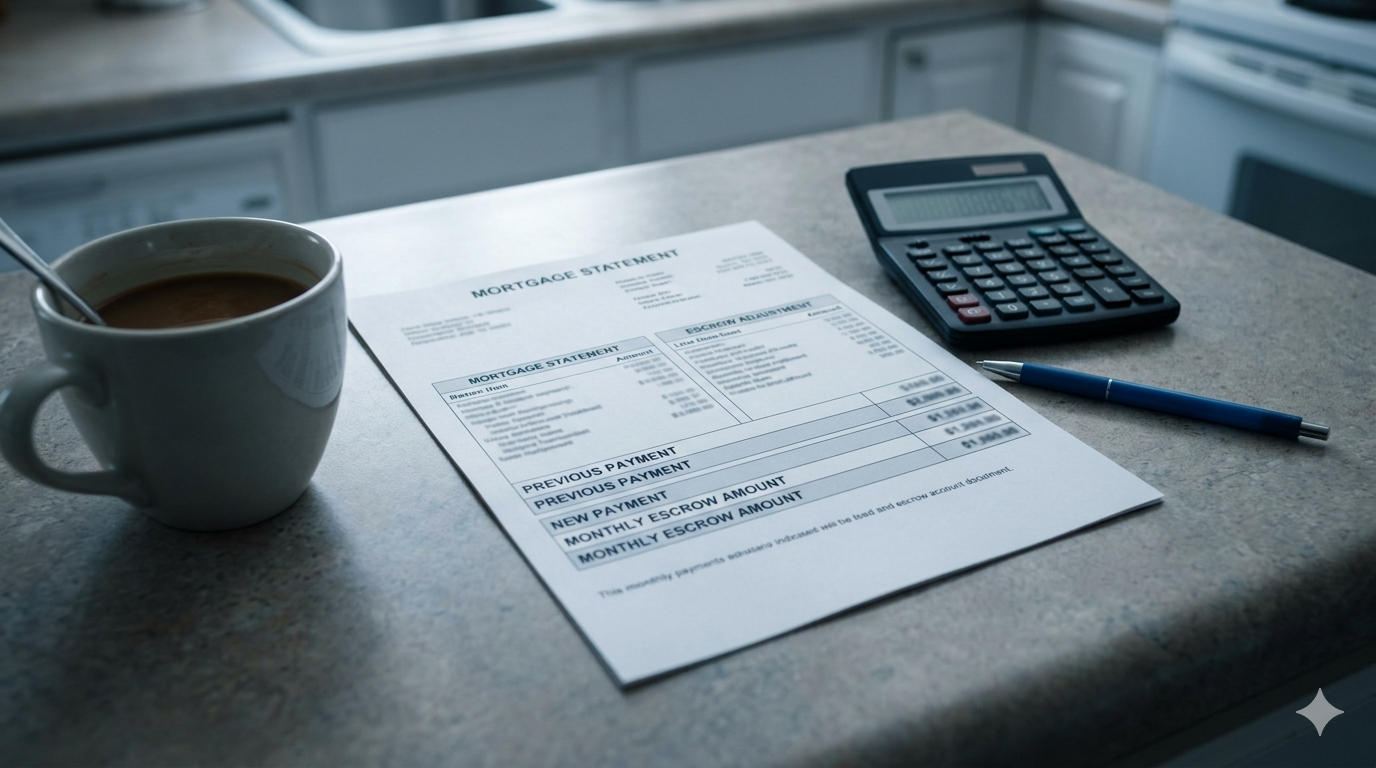
Now we get to the part of the risk most homeowners don’t even know exists.
Your mortgage requires you to maintain homeowners insurance that meets specific standards. Those requirements are baked into your loan documents. If your homeowners policy gets canceled, lapses, or and this is the dangerous one, gets non-renewed because of an STR-related coverage dispute, the lender has the right and the obligation to protect their collateral. They do that through force-placed insurance.
Force-placed insurance is the insurance the bank buys for you, on your house, when your own insurance disappears. The protections around it are governed by federal mortgage servicing rules, including the CFPB’s force-placed insurance rule under Regulation X. You can also read Progressive’s plain-language explainer on force-placed insurance and Merlin Law Group’s analysis of what happens to your homeowners insurance when lender-placed coverage kicks in.
Two things to understand about force-placed coverage.
First, it is dramatically more expensive than the policy you would have bought yourself. We’re not talking about a 10 percent premium hike. Force-placed premiums commonly run 3-5 times the cost of voluntary homeowners insurance, and sometimes more. The bank doesn’t shop the market the way you would. The bank buys protection that protects the bank.
Second, force-placed coverage protects the lender’s collateral interest. It often does not include the broader benefits a normal homeowners policy provides. It often has limited or no personal property coverage, limited or no liability coverage, limited or no additional living expense coverage. You’re paying multiples of the normal premium for a fraction of the normal protection.
The cost gets added to your escrow. Your monthly mortgage payment jumps. You can’t easily get out of it until you replace it with a real homeowners policy that satisfies the lender and if your insurance history is now flagged because of the STR-related dispute, getting that replacement policy is harder than it was before.
This is how a $4,400 World Cup booking turns into a multi-thousand-dollar annual recurring cost. Not because the booking itself caused it. Because the booking triggered the chain of events; claim investigation, undisclosed-use determination, cancellation or non-renewal, lender notification, force-placed coverage, that landed you in a much worse insurance position than you started in.
The Texas Department of Insurance Has Been Warning About This
This isn’t me speculating. The state’s own insurance regulator has published guidance on home-sharing and insurance, and the message is clear: standard homeowners coverage isn’t built for short-term rental activity, and homeowners need to confirm coverage before they host.
You can read the Texas Department of Insurance home-sharing guidance directly and the Bankrate explainer on short-term rental insurance for a consumer-friendly breakdown.
The TDI guidance is not aggressive. It’s measured. It explains the issue and tells homeowners to talk to their carrier. But the substance is unambiguous: don’t assume your homeowners policy covers paid guest activity, because in most cases it doesn’t, and the consequences of finding out the wrong way can be severe.
State regulators don’t put out this kind of guidance for fun. They do it because they’re seeing the claims data, the complaints, and the disputes. They know exactly what’s coming when the World Cup arrives and tens of thousands of Texas homeowners list properties they’ve never insured for the use.
Caroline Amling at Goosehead Insurance: Who You Call
Now the part that matters.
Everything I’ve laid out so far is the problem. To solve the problem, you need a real insurance professional doing the work, not a 1-800 captive agent reading from a script, not a quick online quote, not a friend’s brother-in-law who sells insurance on the side.
In North Texas, the person I send my clients to for this kind of analysis is Caroline Amling at Goosehead Insurance.
Here’s why Caroline.
Goosehead is structured as an independent agency, which means Caroline isn’t locked into one carrier’s appetite or one carrier’s policy form. She has access to multiple carrier partners, which is exactly what you need when the issue isn’t “what’s my premium” but “which policy form actually responds to the activity I’m planning to do.” A captive agent can only sell you what their company offers. An independent agent can compare across carriers and find the one whose business-activity language, home-sharing endorsement availability, or specialty STR partnership actually fits your situation.
You can read more about Goosehead’s independent agency model and carrier access directly through the company.
Caroline herself is a licensed account executive with deep Texas experience and a client-service approach that matters when you’re dealing with a multi-layered question like the one this article is built around. She’s not going to hand you a generic homeowners quote and call it a day. She’s going to actually walk through the layers. What your current policy says, what your umbrella says, what your lender requires, what your city requires, and where the gaps are between all four. Then she’s going to build you a solution that closes the gaps before you list.
The conversation a homeowner needs to have with Caroline before accepting a World Cup booking covers:
Layer one: your existing homeowners policy form. Does it contain a business-activity exclusion? How is it worded? What activity does the carrier consider business use? Has the carrier published any guidance specific to short-term rentals?
Layer two: home-sharing endorsement availability. Does your current carrier offer one? If yes, what are the night caps, occupancy requirements, and exclusions? Is the endorsement adequate for the hosting plan you have in mind, or is the endorsement too narrow for your actual use?
Layer three: your personal umbrella. How does it interact with the underlying homeowners policy? Does it follow the business-activity exclusion? If the homeowners denies, does the umbrella deny? What’s the actual personal liability exposure if a guest is injured?
Layer four: dedicated STR policy options. If the activity is too substantial for an endorsement, which specialty carriers can underwrite a true short-term rental policy on your home? What’s the underwriting timeline? What documentation will be needed? Can it be bound before the World Cup?
Layer five: lender requirements. What does your mortgage say about insurance? Is there language that’s triggered by changing the use of the property? Will switching to an STR-specific policy satisfy the lender, or does the lender need both?
Layer six: city compliance. Does the policy you’re moving to actually satisfy your city’s per-occurrence requirement, Arlington’s documentation expectations, Fort Worth’s STR insurance language, or any niche items that apply in your specific city?
That’s six different conversations. Caroline runs them in parallel and produces a coverage plan that closes the loop. That’s why I send people to her.
If you’re a homeowner anywhere in Ellis County, southern Tarrant County, southern Dallas County, or the broader South DFW corridor, and you’re considering listing your home for the 2026 World Cup, you call Caroline Amling at Goosehead Insurance before you list. Not after. Not the day before guests check in. Before.
This is the move. This is how you protect the asset.
Caroline Amling | Goosehead Insurance
(949) 275-1216 | [email protected]
What a Sane Pre-Listing Checklist Actually Looks Like

Forget the “list it on Airbnb in five minutes” influencer videos. Here’s what a homeowner who is actually protecting their position runs through before accepting a single booking.
Step one: Pull your current homeowners declarations page and policy form. Read the exclusions section. Specifically read the language around business activity, home-sharing, transient occupancy, and rental of the residence.
Step two: Pull your umbrella declarations page and form. Read the exclusions section. Look for business-activity language and any reference to underlying-policy exclusions.
Step three: Pull your mortgage closing documents. Look for the section on hazard insurance requirements, property use covenants, and any language that addresses changes in the use of the collateral.
Step four: Pull your city’s STR ordinance and permit application. Identify the insurance requirement, the dollar limit, the registration steps, and the occupancy tax obligations.
Step five: Schedule a real conversation with a licensed Texas insurance professional. Caroline Amling at Goosehead is the one I recommend. Bring all four documents from steps one through four to that conversation.
Step six: Based on the analysis, choose a path. Either keep your current coverage and don’t list, add an appropriate home-sharing endorsement that actually fits the planned use, move to a dedicated STR policy, or restructure the property’s ownership to a more appropriate vehicle for the activity. Each of those is a real decision with real implications. None of them happen by accident and none of them should be taken lightly.
Step seven: Confirm everything in writing. Get the new coverage bound, get the lender notified where appropriate, get the city permit completed correctly, and get all of it documented before the first guest reservation is accepted.
This is unglamorous, but this is also how you keep $4,400 from costing you $44,000 or $440,000.
The Bigger Strategic Frame
Step back from the World Cup for a second.
The way you handle this insurance question tells you something larger about how you want to relate to your home as a financial asset. A primary residence in North Texas is one of the most valuable assets most families ever own. The long-term wealth created by this region’s appreciation curve is real, and it compounds over decades, not weekends.
A one-week World Cup booking is a rounding error on that long-term wealth. A multi-year insurance disaster triggered by that booking can affect refinance options, future purchase plans, equity access, and your ability to weather the routine claims this storm-prone market produces every single year.
I’d rather see homeowners in this market lean into the long-term ownership story and let the World Cup money go than watch a single hosting decision compromise the financial vehicle that’s actually building real wealth for the family.
If you want the deeper context on how I think about this market and where it’s going, read: The Insider’s 2026 Housing Market Forecast for North Texas
This is a generational wealth-building region for the families who plant their flag here and let time do the work. Don’t trade that for one weekend of soccer.
FAQ: The Direct Answers to the Questions Everyone Is Asking

Will renting my house for the 2026 World Cup void my Texas homeowners insurance?
It can. The mechanism is the business-activity exclusion combined with the carrier’s right to take action when undisclosed business use becomes known. A homeowner who lists without confirming coverage in advance is taking a real risk that goes well beyond the booking itself.
Will my homeowners insurance cover World Cup guests staying in my house?
Most standard Texas homeowners policies are not built to fully cover paid transient guests. The standard answer is no, with the exception being homes where a home-sharing endorsement, a dedicated STR policy, or a specialty carrier arrangement has been put in place before the booking.
Can a denied Airbnb claim cause my hailstorm claim to be denied later?
Yes, that’s the trap. A claim investigation that uncovers undisclosed STR activity can affect coverage posture going forward — including non-renewal, cancellation, or rescission positions that affect later claims unrelated to the original guest.
Is Airbnb AirCover enough insurance for North Texas hosts?
No. AirCover is a platform protection framework with its own conditions. It does not replace a homeowners policy, satisfy lender requirements, or guarantee compliance with a city’s STR ordinance.
What insurance do I need before listing my Waxahachie home for the World Cup?
The right answer depends on the home, the booking volume, the lender, and the city framework. The starting point is a coverage analysis with a licensed insurance professional — Caroline Amling at Goosehead Insurance is who I send North Texas homeowners to — followed by either an appropriate home-sharing endorsement or a dedicated STR policy, locked down before the first guest is accepted.
Does my umbrella policy protect me if a World Cup guest sues me?
Often no. Personal umbrella policies typically follow underlying homeowners exclusions, which means a business-activity denial at the homeowners level usually carries through to the umbrella. Don’t assume the umbrella backstops the gap.
What happens if my insurance gets canceled because of an STR claim?
Your lender is notified, force-placed insurance gets put in place, your monthly payment can rise dramatically, and your protection narrows. Replacing the force-placed coverage with a normal policy is harder once your insurance history reflects a coverage dispute.
Does a city permit prove my insurance covers short-term rental activity?
No. Cities verify documentation. They don’t perform policy form analyses. A homeowner can be fully permitted and still uninsured for the activity.
How early should I review my insurance before the World Cup?
As early as possible. Specialty STR underwriting can take weeks. Demand will spike as the tournament approaches. Homeowners who wait until the last minute may not have time to bind appropriate coverage before guests arrive.
Who should I actually call in North Texas?
Caroline Amling at Goosehead Insurance. Independent agency with multi-carrier access. The right kind of professional to walk through the layered coverage analysis this situation requires.
The Bottom Line

The 2026 FIFA World Cup is the biggest tourism event North Texas will see in a generation. The temptation to list your home and capture a piece of that demand is real, and for the right homeowner with the right preparation, it’s a legitimate opportunity.
But the agents and influencers telling you to list without addressing the insurance question are setting homeowners up for a disaster they won’t see coming until long after the World Cup is over. The standard Texas homeowners policy isn’t built for paid guest activity. The umbrella isn’t going to save you. The city permit isn’t going to save you. AirCover isn’t going to save you. The only thing that protects the asset is real coverage, properly structured and locked down before the first guest checks in.
Five steps ahead, every time. That’s how this works. That’s how the smart homeowners in this market are going to come out of the World Cup with the rental income still in the bank and their long-term financial position intact, while the unprepared ones spend the next several years dealing with insurance consequences they didn’t know they were creating.
If you’re considering listing, the move is clear:
- Don’t accept a booking until your coverage is verified and properly structured.
- Call Caroline Amling or your insurance agent and run the layered analysis.
- Lock down the right policy or endorsement before the World Cup arrives.
- Then, and only then, decide whether the booking economics actually make sense for your situation.
This is how you stay five steps ahead of the risk instead of one step behind it. This is how you protect the most valuable asset most families ever own.
The World Cup is coming. The opportunity is real, but the risk is real too. Be the homeowner who saw it before the rest of the market did.
For mortgage financing questions related to short-term rental property use, lender requirements, and qualification, three preferred lender partners I recommend my clients explore are:
- Denise Donoghue — The Mortgage Nerd | yourmortgagenerd.com
- Andrew Bryan — Miramar Mortgage | miramarmortgage.com
- Ethan Hester — Midtex Mortgage | mid-texmortgage.com
Each is independently licensed and operates under their own brokerage. Homeowners are free to use any licensed mortgage professional of their choosing.
This article is educational content focused on insurance, property risk, and local regulation in Texas. It is not individualized legal, tax, or insurance advice. Homeowners should consult a qualified Texas attorney, certified public accountant, and licensed insurance professional for advice tailored to their specific property, policy, and situation. This content is provided in compliance with the Fair Housing Act, the Real Estate Settlement Procedures Act (RESPA), the National Association of REALTORS® Code of Ethics, the NAR settlement framework, and Texas Real Estate Commission (TREC) advertising rules. No content here is intended to steer, discriminate, or target any protected class. Insurance referrals are educational and homeowners are free to use any licensed insurance professional of their choosing.
Bobby Franklin, REALTOR® | Legacy Realty Group – Leslie Majors Team | 214-228-0003 | northtexasmarketinsider.com