
By Bobby Franklin, REALTOR® | North Texas Market Insider™ | Legacy Realty Group – Leslie Majors Team | Last updated September 17, 2026
At 2 p.m. on September 16, 2026, the Federal Reserve raised interest rates for the first time since 2023, and the bond market barely flinched. Mortgage News Daily reported that the hike had been almost entirely priced in, so bonds held steady through the announcement. The damage started at 2:30pm, when Fed Chair Kevin Warsh made clear during his press conference that the Fed was serious about inflation, and by the close MND’s daily 30-year fixed index had climbed to 7.24%, its highest level since January 2025.
September 16, 2026
The vote didn’t move mortgage rates. The message did.
How decision day unfolded in the bond and mortgage markets.
1. Heading in
5%+
The 10-year Treasury yield had already topped 5% for the first time since 2007, and Freddie Mac’s weekly 30-year average sat at 6.76%.
2. 2:00 p.m.
+0.25
The Fed raises its target range to 3.75% to 4.00%. Bonds hold steady because the hike was almost fully priced in.
3. 2:30 p.m.
Warsh
The chair’s press conference makes clear the Fed is serious about inflation, and rates start moving higher.
4. The close
7.24%
Mortgage News Daily’s 30-year fixed index hits its highest level since January 2025.
The market prices the vote weeks in advance. What moves your rate on decision day is what the Fed says about the next one.
Sources: Mortgage News Daily, September 16, 2026; ConsumerAffairs review of U.S. Treasury yield data, September 2026; Freddie Mac Primary Mortgage Market Survey, week ending September 10, 2026; Federal Reserve FOMC statement, September 16, 2026.
The vote didn’t move mortgage rates. The message about what comes next did, and that distinction decides who wins North Texas real estate this fall. Households waiting on rate relief are waiting on a Fed that just told them it isn’t coming soon. The buyers and sellers who come out ahead will be the ones who stop watching the rate and start working the structure of the deal, and in this corridor the most valuable structure on the table right now belongs to the builders.
What Did the Federal Reserve Do on September 16, 2026?
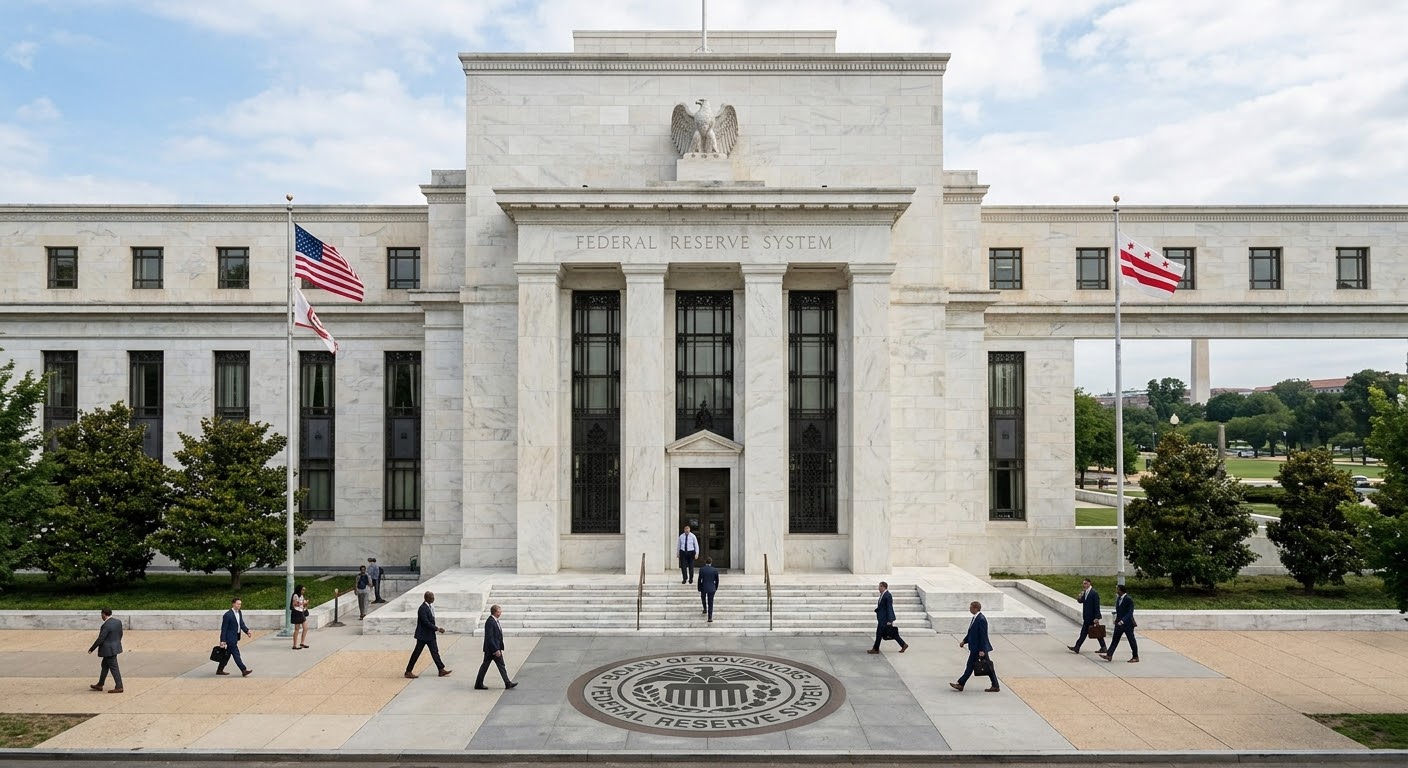
The Federal Open Market Committee voted 12 to 0 to raise the federal funds target range by a quarter point to 3.75% to 4.00%, up from 3.50% to 3.75%, according to the Fed’s September 2026 statement. The 3.90% figure in some headlines is the rate the Fed pays banks on reserve balances, spelled out in its implementation note.
The committee described solid economic growth, resilient spending and inflation that remains elevated, and the numbers back that up. Consumer prices rose 3.4% over the past year while core prices rose 2.4%, according to the Bureau of Labor Statistics’ August 2026 CPI report. The gap points straight at energy: the energy index is up 16.3% and gasoline is up 27.4% over twelve months. The Fed has no tool that lowers the price of oil, which is why it reached for the one tool it does have.
August 2026 inflation
Energy is driving the inflation the Fed is fighting
Price change over the 12 months ending August 2026.
Gasoline
27.4%
Energy index
16.3%
All items (headline CPI)
3.4%
Food
2.7%
Core CPI, excluding food and energy
2.4%
Fed’s 2% longer-run goal
2.0%
Core inflation is 2.4% and headline is 3.4%. That full point is mostly energy, and a higher interest rate can’t lower the price of oil.
Source: U.S. Bureau of Labor Statistics, Consumer Price Index, August 2026, not seasonally adjusted 12-month changes. The Fed’s 2% goal is formally measured by PCE inflation and is shown here for reference.
The Fed also signaled more hikes to come. The median year-end projection for the federal funds rate rose to 4.1% from 3.8% in June, and 16 of the 18 participants penciled in at least one more increase this year, per the Fed’s September economic projections.
Why Didn’t the Hike Itself Move Mortgage Rates?
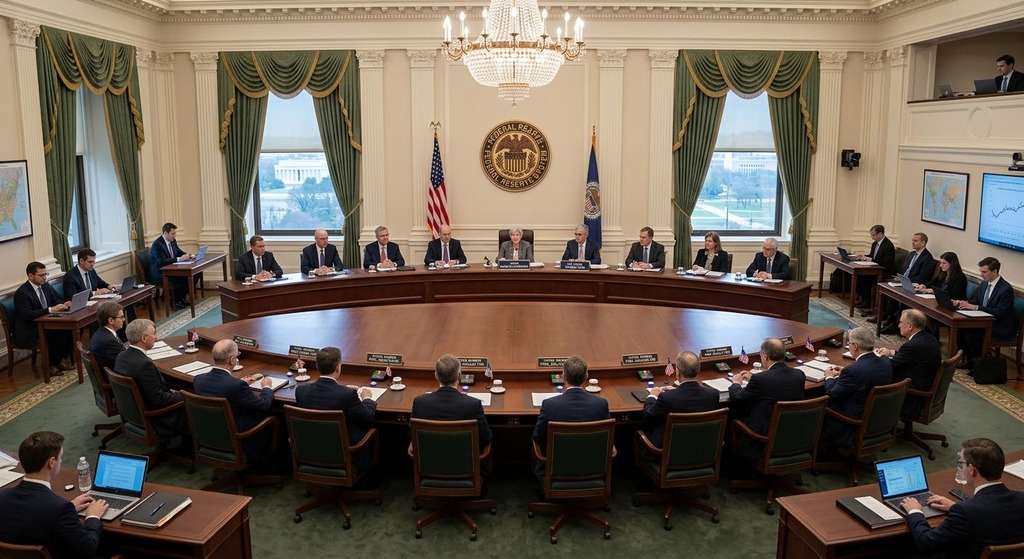
The Fed sets a target for overnight lending between banks. A 30-year fixed mortgage gets priced in the bond market, where it tracks the 10-year Treasury yield far more closely than the fed funds rate, largely because the average mortgage lives only seven to 10 years, as economists at the Federal Reserve Bank of Atlanta explain.
That bond market had been pricing this hike for weeks. The 10-year yield pushed above 5% this week for the first time since 2007 after starting the year at 4.19%, according to ConsumerAffairs’ review of Treasury data, as surging oil prices revived inflation fears. Freddie Mac’s weekly survey had already put the average 30-year fixed at 6.76% for the week ending September 10. Mortgage News Daily’s 7.24% runs higher because a daily index and a weekly survey use different methods and timing, but both point the same direction.
The Fed decision
One hike delivered, and the Fed’s own forecast calls for another
What the Federal Open Market Committee decided and projected on September 16, 2026.
New target range
3.75% to 4.00%
Up from 3.50% to 3.75%, the first increase since 2023.
Committee vote
12 to 0
Unanimous, with no dissents calling for a pause.
Year-end median projection
4.1%
Up from 3.8% in the June projections.
Officials expecting another 2026 hike
16 of 18
Participants who projected at least one more increase this year.
Any plan that depends on rate relief this fall is built on a forecast the Fed itself isn’t making.
Sources: Federal Reserve FOMC statement and Summary of Economic Projections, September 16, 2026. The 3.90% figure in some headlines is the interest rate on reserve balances, per the Fed’s implementation note. Projections are individual participant estimates, not a policy commitment.
Buyers felt it immediately. The Mortgage Bankers Association’s unadjusted purchase index for the week ending September 11 came in 19% below the same week a year earlier, according to CNBC’s report on the MBA survey, a week after that same measure ran 4% above the prior year per the MBA’s September 9 release. The Labor Day holiday distorts unadjusted weekly comparisons, so treat that swing as a warning light rather than a trend line, but the direction is unmistakable.
The Number That Changed Most: What a Builder Incentive Is Worth Now

Every North Texas buyer comparing resale against new construction should run this math before touring another house. Take a $400,000 loan and an illustrative builder-arranged rate of 4.99%, then measure it against the market rate a buyer would otherwise pay.
Builder incentive math
The same builder rate is worth 46% more than it was in March
Monthly principal and interest saved by an illustrative 4.99% builder rate on a $400,000 loan, about $2,145 a month, compared with the market rate a buyer would otherwise pay.
March 19, 2026
Freddie Mac weekly average: 6.22%, about $2,455/month
$310/mo
about $3,720 a year
September 10, 2026
Freddie Mac weekly average: 6.76%, about $2,597/month
$452/mo
about $5,424 a year
September 16, 2026
Mortgage News Daily daily index: 7.24%, about $2,726/month
$581/mo
about $6,972 a year
Measured Freddie Mac to Freddie Mac, the incentive grew from $310 to $452 a month. Before you tour, ask what rate the builder is funding, then put the builder lender’s Loan Estimate next to an outside quote.
Principal and interest only on a 30-year fixed loan; excludes property taxes, homeowners insurance, mortgage insurance and HOA, PID or MUD assessments. The 4.99% rate is an illustration, not a specific builder offer, and incentives may require the builder’s affiliated lender. Mortgage News Daily’s daily index uses a different methodology than Freddie Mac’s weekly survey. Sources: Freddie Mac Primary Mortgage Market Survey and archive; Mortgage News Daily, September 16, 2026.
Measured against the same Freddie Mac benchmark, the identical incentive is worth roughly 46% more to a buyer today than it was in March. Every tick higher in market rates makes a builder’s below-market rate more valuable to the buyer and more expensive for the builder to fund, and that tension is where the next few months of North Texas new construction will be decided.
The buyer who understands that math walks into a sales office with leverage. Compare the builder lender’s complete Loan Estimate against an outside lender on identical assumptions, because some incentives are priced into the home or require the affiliated lender, and the only way to know what one is really worth is to put both offers side by side. The North Texas new construction guide walks through what to verify.
What Does the Hike Mean for the North Texas Housing Market?
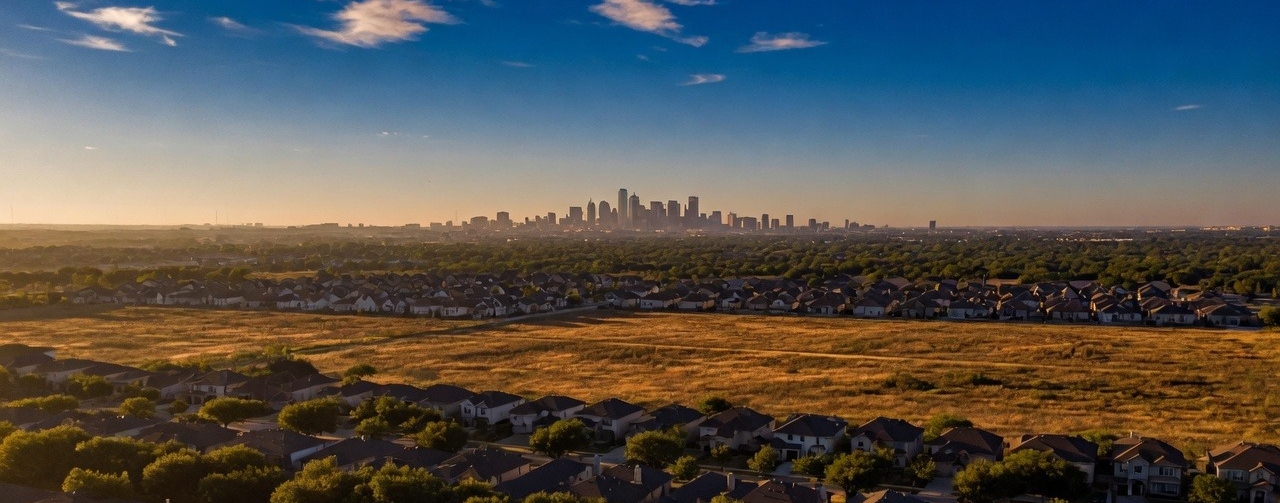
Prices were already softening before the vote. The Dallas-Fort Worth median listing price fell to $425,000 in August from $439,000 in July, according to FRED’s Dallas-Fort Worth-Arlington listing price series, while median days on market climbed to 58 from 46 in April, based on the matching FRED days-on-market series. Across the North Texas MLS region, July showed 5.2 months of inventory with sellers receiving 94.8% of original list price, per the NTREIS July 2026 market activity report .
A hawkish Fed adds pressure to a market that was already giving buyers room. Sellers have been conceding for a while: Texas REALTORS® found that 74% of Texas sellers cut their asking price two or more times before closing in the most recent full survey year, a pattern broken down in yesterday’s guide to buying on one income. Higher rates won’t produce an overnight collapse in values, because mortgage lock-in keeps many would-be sellers from listing at all. The pressure shows up instead in longer market times, larger concessions and a widening gap between homes priced for today and homes priced for last spring.
For the full local picture, the August 2026 North Texas market report and the live DFW market dashboard track prices, inventory and rates as they move.
Should North Texas Buyers Wait for Rates to Fall?

No, not if the payment works today. A qualified buyer in this market is holding a stronger hand than at any point this year: fewer competing buyers, sellers who have already cut prices, and builders funding rate incentives that just became dramatically more valuable. Waiting for rates to fall means waiting on a Fed that just projected another hike, and if rates do drop, the buyers who sat out return all at once and that leverage disappears.
The discipline that makes buying work doesn’t change with the Fed. Build the payment from a specific address with real taxes and insurance, keep reserves intact after closing, and never buy a house that only works with a future refinance. The complete framework, including how to negotiate terms against sellers who have already cut price, lives in the one-income buyer’s guide.
Get quotes from multiple lenders on identical assumptions before you write an offer. Three lenders I trust to run those numbers side by side are Andrew Bryan with Miramar Mortgage at andrewthelender.com, Jennifer Nelson with Eustis Mortgage at eustismortgage.com and Taylor Fruge with Lower Mortgage at lower.com. I recommend these lenders based on their expertise and service. I do not receive compensation for referrals.
What Should North Texas Sellers Do Now?

In March, the Fed’s pause gave sellers a window, which is why that analysis called it a green light to sell. September’s hike changed the math. The buyer walking through a resale home this fall has probably already toured a model home, and the comparison that matters isn’t your price against the builder’s base price. It’s your buyer’s monthly payment against the builder’s effective payment after the rate incentive.
A resale seller competing with a $450-a-month builder advantage has three honest options: price to close that gap, offer a credit the buyer can use toward a rate buydown or closing costs, or wait and carry the home while the gap potentially widens. Seller-funded buydowns are subject to loan program limits, including a 3% – 9% range for many conventional loans under the Fannie Mae Selling Guide and up to 6% for FHA under HUD Handbook 4000.1, so the buyer’s lender should approve the structure before anyone relies on it.
The rate spike that started this summer is traced in the report on mortgage rates hitting a one-year high, and the September hike confirms that pressure isn’t reversing on its own.
What Happens to Current Homeowners’ Loans?
A fixed-rate mortgage doesn’t change. The rate and principal-and-interest payment are locked by contract, though escrow can still move with property taxes and insurance. HELOCs are different: most float with the prime rate, which follows the fed funds rate, so a HELOC balance just got more expensive to carry. Homeowners planning a renovation should compare a HELOC against a fixed home-equity loan or cash before assuming the variable rate is the cheaper path.
The Four Signals That Matter Next
National headlines will keep coming, but four indicators will tell North Texas buyers and sellers more than any of them. The 10-year Treasury yield sets the direction of fixed mortgage pricing, and a sustained move back below 5% would be the first real relief. Builder incentives across the corridor show whether builders keep funding below-market rates as those rates get more expensive to buy. Local price reductions and seller concessions reveal motivation that median prices hide. Days on market by price band shows exactly where buyers are pulling back and where they’re still competing.
What to watch next
Four signals that matter more than the next headline
The indicators that will tell North Texas buyers and sellers where this market goes after the hike.
The 10-year Treasury yield
Now: above 5%
Sets the direction of fixed mortgage pricing. A sustained move back below 5% would be the first real relief.
Builder rate incentives
Now: worth more to buyers than in March
Shows whether builders keep funding below-market rates as those rates get more expensive to buy down.
Price reductions and concessions
Now: 74% of Texas sellers cut price twice or more
Reveals seller motivation that median prices hide, one neighborhood at a time.
Days on market by price band
Now: 58 days, DFW median
Pinpoints exactly where buyers are pulling back and where they are still competing.
National averages explain the weather. These four tell you whether a specific deal needs an umbrella.
Sources: ConsumerAffairs review of U.S. Treasury data, September 2026; Realtor.com data via FRED, August 2026; Texas REALTORS® buyer and seller survey, July 2024 through June 2025.
Frequently Asked Questions

Did the Federal Reserve raise interest rates in September 2026?
Yes. On September 16, 2026, the FOMC unanimously raised the federal funds target range by 0.25 percentage point to 3.75% to 4.00%, its first increase since 2023.
Does the Federal Reserve set mortgage rates?
No. The Fed sets an overnight bank lending target. Thirty-year fixed mortgage rates follow the 10-year Treasury yield, mortgage-backed securities and lender pricing, which is why the hike itself barely moved bonds while the Fed chair’s comments afterward did.
Will mortgage rates go down after the Fed rate hike?
Not necessarily. The Fed’s September projections show a median year-end rate of 4.1%, consistent with another hike, and 16 of 18 officials expect at least one more increase this year. Mortgage rates could still ease if inflation cools or the 10-year yield falls back below 5%.
Should I wait to buy a house until rates drop?
If the complete payment works today, waiting usually costs leverage. Buyers currently face fewer competitors, sellers who have cut prices and builder rate incentives worth more than they were earlier in the year. If rates fall, that competition returns.
Are builder incentives worth more when mortgage rates rise?
Yes. A below-market builder rate saves more each month as market rates climb. On a $400,000 loan, an illustrative 4.99% builder rate saved about $310 a month against Freddie Mac’s March average and about $452 against its September 10 average.
Will the Fed rate hike make DFW home prices fall?
Not automatically. DFW listing prices were already softening, falling to $425,000 in August from $439,000 in July, but mortgage lock-in limits new supply. Expect longer market times and larger concessions rather than a sudden price collapse.
What happens to my fixed mortgage when the Fed raises rates?
Nothing changes on the note. Your rate and principal-and-interest payment stay fixed, though escrow can still change with property taxes or insurance.
What happens to a HELOC when the Fed raises rates?
Most HELOCs carry variable rates tied to prime, which moves with the fed funds rate, so the rate and payment can rise after a hike according to the account’s terms.
Can a seller pay for a buyer’s rate buydown in Texas?
Often, yes, within loan program limits and with lender approval. Many conventional loans allow 3% to 9% in seller contributions depending on down payment, and FHA generally allows up to 6% of the sales price.
The Fed Changed the Rate, Not the Rule

The September hike told North Texas that relief isn’t coming on the Fed’s timeline, and the bond market heard that message within thirty minutes. The households still waiting for a lower rate are going to watch this fall pass them by. The ones who understand that a builder incentive just became worth $450 a month, that sellers have already been conceding, and that the terms of a deal matter more than the rate on a headline are the ones who will buy well, sell well and come out of this cycle ahead. The rule hasn’t changed: negotiate the structure, not the price.
Get a Property-Specific North Texas Analysis
A national rate average can’t tell you what a specific home, builder incentive or listing strategy is worth this month. I’ll compare your target property or your home against current competition, recent sales, builder incentives and the payments buyers are actually working with across Ellis County, southern DFW and Greater North Texas.
Bobby Franklin, REALTOR®
Legacy Realty Group – Leslie Majors Team
16 Northgate Dr., Suite 100, Waxahachie, TX 75165
📲 214-228-0003 | northtexasmarketinsider.com
This article provides general real estate and market information and is not individualized financial, lending, legal or tax advice. Mortgage rates, builder incentives, buydowns, qualification standards and concessions vary by lender, borrower, builder, property and loan type, so verify financing terms with a licensed mortgage professional. Payment examples are illustrations, not loan offers. Real estate commissions are not set by law and are fully negotiable. Housing and brokerage services are offered in compliance with the federal Fair Housing Act and Texas Real Estate Commission advertising requirements.







Join The Discussion