“While everyone else is reading ordinances, we’re reading opportunity. This is how you stay five steps ahead in the North Texas land game.”
Listen, here’s the thing about zoning that nobody tells you: it’s not just about what you CAN’T do. It’s about understanding the game well enough to see what EVERYONE ELSE is missing.
Most agents hand you a zoning map and wish you luck. We’re not doing that. This guide is your strategic intelligence brief, the kind of market knowledge that separates the players from the spectators in North Texas real estate.
The question isn’t just “what’s my property zoned for?” The real question is: “What’s the strategic opportunity here that everyone else is overlooking?”
Let’s get into it.
The Zoning Reality Check: What You’re Actually Buying
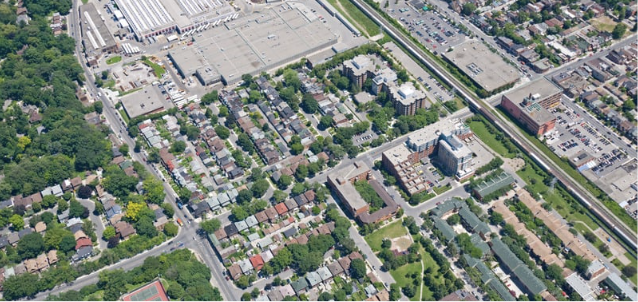
Here’s your first truth bomb: Zoning is the legal framework that determines whether your land is an asset or a liability.
In Texas, cities have broad authority under Chapter 211 of the Texas Local Government Code to control what happens on every square foot within their boundaries. They regulate:
- Building heights and sizes
- Lot dimensions and setbacks
- Permitted uses (what activities are allowed)
- Density (how many units per acre)
- Parking requirements
- Signage standards
The Dallas Development Code is a perfect example, it’s hundreds of pages of specific rules for each zoning district. And every city in North Texas has its version.
Here’s what this means strategically: Before you fall in love with that “perfect” piece of land, you need to understand its zoning DNA. Because unlike a house where you can change the paint color, zoning controls are baked into the legal structure of how you can use that property.
How to Actually Find Out What Your Property Is Zoned For (The Right Way)

Most buyers Google “zoning” and get lost in government websites. Here’s the executive playbook:
Strategy 1: Online Zoning Intelligence
Almost every North Texas city and county has interactive GIS mapping systems. Search “[City Name] GIS zoning map” or “[County Name] property viewer.”
For example, Dallas provides comprehensive planning and zoning resources with searchable maps where you can look up any address or parcel number.
Pro move: Don’t just check YOUR property, analyze the surrounding parcels. What’s zoned around you matters almost as much as your own zoning. A commercial corridor developing next door? That’s valuable intelligence.
Strategy 2: Go Straight to the Source
Call or email the Planning & Zoning Department with:
- The property address
- Assessor Parcel Number (APN)
They’ll confirm:
- Current zoning district (e.g., R-7.5(A), AG, MU-2)
- Allowed uses and restrictions
- Setback requirements
- Any overlay districts or special conditions
The Franklin approach: Build a relationship with planning staff. These are the people who know what’s coming BEFORE it becomes public knowledge. Be respectful, professional, and consistent. They remember the people who do their homework.
Strategy 3: Paid Zoning Consultation
Many cities offer formal zoning consultations where staff review:
- Existing zoning and development potential
- Feasibility of variances or rezoning
- Special restrictions or overlay districts
Strategic value: If you’re considering a large land purchase or development, investing $100-300 in a consultation can save you tens of thousands in mistakes. This is especially critical for farm and ranch properties where you’re evaluating subdivision potential or commercial conversion.
The Main Zoning Categories: Your Strategic Framework
Let me break down the core zoning types and, more importantly, what they mean for your strategic positioning:
Residential Zoning: Know Your Limits, Find Your Opportunities
Residential districts are designed for housing. In Dallas-type structures (similar across DFW):
R-7.5(A) Single Family District:
- Minimum lot size: ~7,500 sq ft
- Maximum height: ~35-36 feet
- Front setback: ~25 feet
- Side setbacks: ~5-10 feet
R-10(A):
- Larger lots (~10,000 sq ft minimum)
- Similar height limits
- Typically deeper setbacks
What controls:
- Single-family vs. duplex vs. multifamily
- Building height maximums
- Minimum lot area and width
- Setback requirements from property lines
- Parking standards
Strategic thinking: For land buyers, this directly affects whether you can:
- Build multiple dwellings
- Add accessory dwelling units (ADUs)
- Run any kind of home-based business
- Subdivide into smaller lots
The opportunity: In many North Texas markets, residential lots near growing commercial corridors are prime rezoning candidates. While everyone sees a house, you might be looking at future mixed-use or commercial value. That’s the game.
Commercial Zoning: Where Business Happens
Commercial districts permit business operations:
- Retail stores and shopping centers
- Professional offices
- Restaurants and food service
- Hotels and lodging
- Service businesses
Typical subcategories:
- Neighborhood/Light Commercial (C-1, LR): Smaller, local-serving uses
- General/Heavy Commercial (C-2, GR): Larger stores, higher intensity, more traffic
What’s regulated:
- Permitted business types
- Building size and height
- Required parking (often substantial)
- Signage standards
- Distance requirements from schools, churches, residential areas for certain uses
Strategic lens: Commercial zoning is where land values can multiply. Understanding the progression from agricultural to residential to commercial is how you identify properties that are “one rezoning away” from exponential appreciation.
The play: Track infrastructure development, new highways, major employer relocations, population growth patterns. Commercial zoning follows these trends. Be there first.
Industrial Zoning: The Heavy Hitters
Industrial districts accommodate:
- Manufacturing facilities
- Warehouses and distribution centers
- Fabrication and assembly operations
- Equipment yards
- Industrial parks
Key characteristics:
- Larger setbacks and buffer zones
- Stricter environmental controls
- Noise and emissions standards
- Heavy truck access requirements
Strategic note: Industrial zoning can be highly valuable but contentious. Rezoning from ag or residential to industrial often faces significant neighborhood opposition. However, in areas near major distribution corridors (I-35, I-45, I-20), industrial land is in high demand.
The intelligence: Watch for major logistics companies securing land. Where Amazon, FedEx, or major manufacturers locate, supporting industrial demand follows. That’s not luck, that’s reading the market.
Agricultural Zoning: Your Rural Land Foundation
Agricultural zoning preserves land for farming and ranching operations. Typically allows:
- Farm and ranch homes
- Barns and equipment buildings
- Livestock facilities
- Hay and crop production structures
- Agricultural product sales (subject to local rules)
- Limited agritourism activities
Some ag zones permit:
- Small farm event venues (with specific permits)
- Roadside stands
- Pick-your-own operations
- Equestrian facilities
Critical connection: Ag zoning works hand-in-hand with agricultural tax valuations, which we’ll cover later. This combination can significantly reduce property taxes while land appreciates.
Strategic positioning: Agricultural properties near growing population centers represent some of the highest-potential appreciation opportunities in North Texas. The key is understanding WHEN development pressure will make rezoning feasible and profitable.
Zoning vs. Land Use: Understanding the Strategic Difference
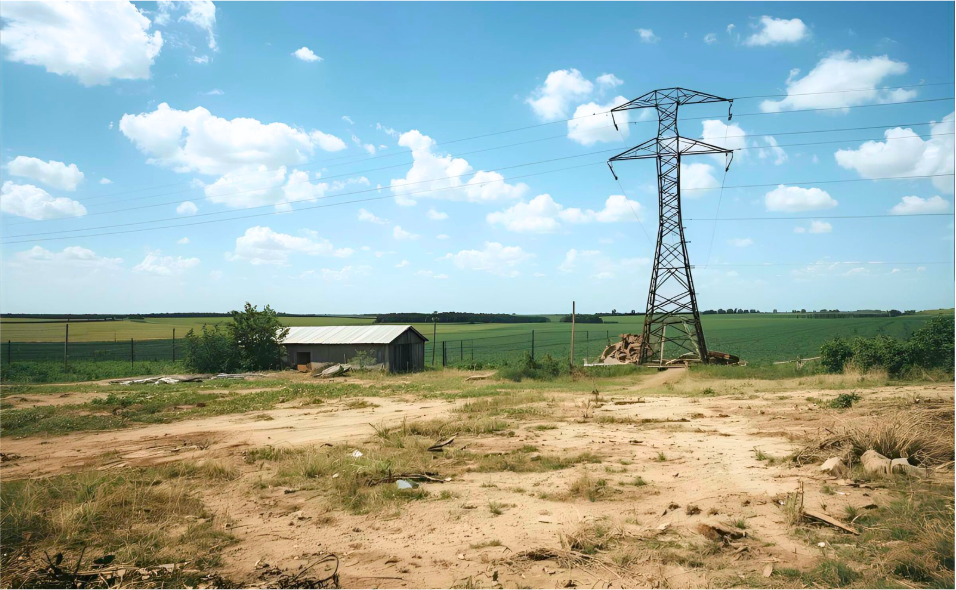
Here’s where most people get confused, and where strategic thinkers gain advantage:
Land Use Planning = The vision (what should happen here)
Zoning = The law (what IS allowed here)
Cities create Comprehensive Plans and Future Land Use Maps showing their long-term vision. These documents might designate an area as “Mixed Use” or “Commercial” even though current zoning is still “Agricultural.”
Why this matters strategically:
If a property’s Future Land Use designation doesn’t match current zoning, that’s your signal. The city has ALREADY indicated they support future development in that direction. Rezoning applications aligned with the Future Land Use Plan have dramatically higher approval rates.
The play: When you’re evaluating land, don’t just check current zoning, study the Comprehensive Plan and Future Land Use Map. That’s where the city tells you their intentions for the next 10-20 years. Most buyers never look at these documents. You will.
Deed Restrictions: The Private Rules That Can Override Everything
Critical distinction: Deed restrictions (restrictive covenants) are PRIVATE contracts recorded with the property. They’re separate from zoning but equally, sometimes MORE, restrictive.
Deed restrictions commonly govern:
- Minimum home sizes and architectural standards
- Prohibited uses (no mobile homes, no commercial activity)
- Livestock limitations (number of animals per acre)
- Exterior maintenance standards
- Short-term rental prohibitions
- RV and boat parking rules
The strategic reality check:
If zoning ALLOWS something but deed restrictions PROHIBIT it, the restriction wins. You cannot override private deed restrictions by getting city approval.
Due diligence requirements:
- Request and thoroughly review the title commitment
- Obtain copies of all recorded deed restrictions
- For subdivisions, review HOA governing documents
- Check for any amendments to original restrictions
Real-world example: A property might be zoned to allow a duplex, but deed restrictions limit it to single-family only. The city will issue a permit because zoning allows it, but the HOA or neighboring property owners can sue to enforce the restriction and force you to convert it back to single-family. That’s an expensive mistake.
HOA Rules: Another Layer of Control

When you buy into a subdivision with a Homeowners Association (HOA) or Property Owners Association (POA), you’re agreeing to their CC&Rs (Covenants, Conditions & Restrictions).
Key principle: HOA rules can be MORE restrictive than zoning, but never MORE permissive.
Typical HOA controls affecting land use:
- Architectural review for all new construction or modifications
- Business operation restrictions
- Vehicle parking and storage rules
- Livestock and pet limitations
- Rental restrictions (including short-term rentals)
Enforcement reality:
HOAs have significant power:
- Daily fines for violations
- Liens against your property
- Legal action to force compliance
- Mandatory removal of non-compliant improvements
Strategic approach: For land, farm, and ranch buyers, especially those considering event venues, short-term rentals, or agricultural operations, HOA documents are NON-NEGOTIABLE reading BEFORE you close.
Pro tip: Many HOAs have become more restrictive over time. Always request:
- Original recorded CC&Rs
- ALL amendments (some HOAs have amended multiple times)
- Current HOA rules and regulations
- Recent enforcement actions (if available)
Easements: Understanding Who Else Has Rights to Your Land
An easement gives someone else the legal right to use part of your property for a specific purpose. You still own the land, but your use is limited.
Common easement types:
Utility Easements:
- Electric, gas, water, sewer, telecommunications lines
- Companies can access for installation and maintenance
- You typically cannot build permanent structures over utility easements
Access/Right-of-Way Easements:
- Provide access for landlocked parcels
- Can cross your property for driveway access
- Must be maintained and cannot be blocked
Conservation/Drainage Easements:
- Protect environmental features, wetlands, floodways
- Limit or prohibit development in these areas
- May require specific maintenance activities
Strategic evaluation:
When reviewing a survey and title commitment:
- Identify ALL easements (location, type, holder)
- Understand restrictions within easement areas
- Evaluate impact on your development plans
- Consider future implications for access, utilities, drainage
The intelligence move: Large utility or pipeline easements that seem problematic might actually indicate future infrastructure development. Understanding WHO holds easements and their plans can reveal opportunities others miss.
Running a Business From Home or Land: Navigate This Carefully

This is one of the most common questions, and one of the easiest ways to create problems if you don’t handle it correctly.
The three-layer analysis:
Layer 1: Zoning Ordinance
Some cities allow “home occupations” under strict conditions:
- No exterior signage visible from street
- Limited customer/client traffic
- No employees working on-site
- Business activity not visible from outside
- No storage of commercial vehicles or equipment
Other jurisdictions prohibit ANY business activity in residential zones.
Layer 2: HOA/POA Restrictions
Many HOAs explicitly ban:
- Any commercial activity
- Business signage
- Customer traffic
- Commercial vehicles
Layer 3: Licensing and Code Requirements
Certain businesses require special facilities, inspections, or permits:
- Food preparation and sales
- Childcare
- Medical/health services
- Lodging (short-term rentals)
Strategic approach:
BEFORE starting any business on residential or agricultural land:
- Confirm zoning with the city/county planning department
- Review ALL deed restrictions and HOA documents
- Check licensing requirements with appropriate agencies
- Consult with a real estate attorney for significant ventures (event venues, commercial kennels, substantial retail operations)
Compliance pathway:
If your intended use isn’t permitted by right, you may need:
- Conditional/Special Use Permit for the specific business type
- Variance if dimensional standards create issues
- Rezoning to a district that allows your use
Important: Operating a prohibited business can result in daily fines, forced closure, legal action, and serious complications when trying to sell the property later.
Variances vs. Special Use Permits: Know the Difference

Variance
A variance provides relief from specific DIMENSIONAL or PHYSICAL zoning requirements due to unique property hardship.
Common examples:
- Reduced setback due to irregular lot shape
- Slightly increased height due to topography
- Minor encroachment due to survey discrepancies
Key requirements:
- Must demonstrate unique hardship related to the LAND (not personal preference)
- Cannot fundamentally alter the character of the zoning district
- Generally applies to physical standards, not land use
Special Use Permit (SUP) / Conditional Use Permit (CUP)
A special use permit allows a USE that’s not permitted by right in the zoning district but may be approved with conditions on a case-by-case basis.
Common examples:
- Church or school in residential area
- Cell tower on agricultural land
- Event venue or RV park on rural property
- Certain commercial uses in mixed-use districts
Key distinction:
- Variance = relief from dimensional rules (height, setbacks, lot coverage)
- Special Use Permit = approval to conduct a particular USE with conditions
Process for both:
- Formal application with fees
- Staff review and recommendation
- Public notice to nearby property owners
- Public hearing before planning commission or board
- Final decision (often by city council or commissioners court)
Strategic reality: Both processes involve public hearings where neighbors can object. Professional preparation, including site plans, traffic studies, and neighborhood outreach, significantly improves approval odds.
Rezoning in North Texas: The Strategic Game Plan
Timeline reality: Most rezoning applications in Texas take 60-90 days from complete application to final decision. Complex or controversial cases can extend to 6+ months.
The Rezoning Process
Phase 1: Pre-Application Intelligence
- Confirm current zoning and Future Land Use designation
- Review city Comprehensive Plan for area policies
- Analyze surrounding zoning and recent rezoning decisions
- Optional: Schedule pre-application meeting with planning staff
Strategic value: Understanding the political and planning landscape BEFORE applying is critical. Some requests are dead on arrival; others are nearly certain approval. Know which you’re dealing with.
Phase 2: Formal Application
Submit required materials:
- Completed application forms
- Application fees (often $500-2,000+)
- Legal description and current survey
- Concept plan or site plan showing proposed use
- Supporting studies (traffic, drainage, environmental as needed)
Phase 3: Staff Review
Planning staff:
- Circulates to other departments (public works, fire marshal, utilities)
- Reviews for Comprehensive Plan consistency
- Evaluates impact on surrounding properties
- Prepares recommendation (approval, denial, conditional approval)
Phase 4: Public Notice
Required notifications include:
- Mailed notices to property owners within specified distance (often 200-1,000 feet)
- Signs posted on the property
- Publication in newspaper or official channels
Phase 5: Planning & Zoning Commission Hearing
- Applicant (or representative) presents the case
- Staff presents findings and recommendation
- Public testimony (supporters and opponents)
- Commission votes to recommend approval, denial, or modification
- Recommendation forwarded to final decision-making body
Phase 6: City Council/Commissioners Court Final Decision
- Final hearing with additional testimony opportunities
- Council/court votes on rezoning ordinance
- Approval, denial, or approval with conditions
- Decision typically becomes effective after specified period
Strategic Success Factors
1. Alignment with Future Land Use Plan
Applications consistent with the city’s adopted Future Land Use Plan have dramatically higher approval rates. If your request contradicts the plan, expect an uphill battle.
2. Neighborhood Support (or at least neutrality)
Early outreach to neighbors can prevent organized opposition. Address concerns proactively:
- Buffers and screening
- Traffic management
- Operating hour limitations
- Design standards
3. Professional Presentation
Provide high-quality materials:
- Clear, professional site plans
- Traffic impact analysis
- Economic benefit documentation
- Architectural renderings (if available)
4. Flexibility and Compromise
Be prepared to:
- Accept reasonable conditions
- Modify the proposed intensity or uses
- Provide additional screening or setbacks
- Commit to specific design standards
The Ellison principle: Understand that rezoning is part technical process, part political negotiation. The agents who win consistently are those who read the room, build relationships with planning staff and elected officials, and position their requests as solving problems rather than creating them.
Overlay Districts: The Extra Layer You Need to Know
An overlay district adds special rules ON TOP OF base zoning to address unique conditions or policy goals.
Common overlay types:
Historic District Overlays:
- Architectural review for exterior changes
- Restrictions on demolition
- Design standards for new construction
Floodplain/Environmental Overlays:
- Building restrictions in flood-prone areas
- Requirements for stormwater management
- Limits on impervious cover
Transit-Oriented Development (TOD) Overlays:
- Encourage higher density near transit
- Reduced parking requirements
- Pedestrian-oriented design standards
Corridor/Gateway Overlays:
- Enhanced design standards along major streets
- Signage and façade requirements
- Setback modifications
Airport/Hazard Zone Overlays:
- Height restrictions near airports
- Use limitations due to noise or safety
Strategic implication: A property’s base zoning might technically allow something, but an overlay can add restrictions or requirements. Always check for BOTH base zoning AND any overlays affecting the property.
The opportunity angle: Some overlays (like TOD or mixed-use corridors) actually ENCOURAGE higher density or more flexible uses. Understanding which overlays create opportunities vs. which create restrictions is strategic intelligence most buyers don’t have.
Environmental Regulations: They Matter More Than You Think
Floodplains and Wetlands
Properties in FEMA flood zones or containing wetlands face significant restrictions:
- Building elevation requirements
- Limits on fill and grading
- Restrictions on impervious surfaces
- Special insurance requirements
- Federal permits for wetland impacts
Strategic due diligence: Always review:
- FEMA Flood Insurance Rate Maps (FIRMs)
- National Wetland Inventory maps
- Local drainage studies
The intelligence: Some properties appear to be great development opportunities until you discover 40% is in the floodplain. That’s information you need BEFORE making an offer.
Stormwater and Erosion Control
Development projects typically require:
- Stormwater Pollution Prevention Plans (SWPPP)
- Detention or retention facilities
- Erosion control measures
- Water quality features
Cost impact: Stormwater infrastructure can add $10,000-100,000+ to development costs depending on site size and conditions.
Endangered Species and Sensitive Habitat
In some areas, development may be restricted or require mitigation due to:
- Endangered species habitat (golden-cheeked warbler, others)
- Critical environmental features
- Tree preservation ordinances
- Habitat conservation plans
Contamination and Brownfields
Properties with prior industrial or commercial uses may require:
- Phase I Environmental Site Assessment (ESA)
- Phase II testing if contamination is suspected
- Remediation before development
Strategic approach: For land purchases, especially larger tracts or former commercial sites, environmental due diligence is non-negotiable. The cost of these studies (typically $2,000-10,000 for Phase I) is minimal compared to discovering contamination or wetlands after closing.
Building Permits in Texas: What You Actually Need
Reality check: In most Texas cities and many counties, you WILL need permits for:
- New structures (residential, commercial, agricultural buildings over certain sizes)
- Major additions and remodels
- Electrical, plumbing, and mechanical work
- Accessory structures above size thresholds
- Pools, major retaining walls, certain fences
Key points:
- Permit requirements vary between incorporated cities and unincorporated county areas
- Recent state legislation has imposed faster permit review timelines for many cities
- Building without required permits creates serious problems:
- Stop-work orders
- Daily fines
- Required removal of work
- Complications when selling or refinancing
- Liability issues if problems occur
For rural land buyers: Some agricultural outbuildings in unincorporated areas may have lighter permit requirements, but always verify with the county. Making assumptions is expensive.
Strategic approach: Factor permit timelines and costs into your project planning. In competitive markets, knowing typical permit timelines gives you advantage when negotiating contingencies and closing dates.
Agricultural Exemptions in Texas: Understanding the Value

An agricultural valuation (commonly called an “ag exemption”) can dramatically reduce property taxes by valuing land based on agricultural productivity rather than market value.
General Qualification Requirements
Requirements vary by county but typically include:
Primary Use Standard:
- Land must be devoted principally to bona fide agricultural purposes
- Not hobby farming or incidental use
Minimum Acreage:
- Often 10-15 acres (varies significantly by county and use)
- Beekeeping may qualify with much less acreage (as little as 5-10 acres in some counties)
Duration Requirement:
- Generally used for qualifying agriculture for at least 5 of the past 7 years
- New owners can continue existing ag exemption if use continues
Degree of Intensity:
- Operations must meet minimum stocking rates or production levels
- Standards vary by agricultural activity and county
Qualifying Agricultural Activities
Common qualifying uses:
- Cattle, sheep, goat, or other livestock production
- Horse breeding (with specific requirements)
- Hay production and crop farming
- Orchards and vineyards
- Beekeeping (with special acreage minimums)
- Wildlife management (when properly converted from ag use)
Non-qualifying examples:
- Hobby farms and personal gardens
- Boarding horses without true agricultural production
- Occasional hay cutting on small acreage without proper documentation
The Tax Impact
Example: A 20-acre property near Waxahachie:
- Market value assessment: $400,000 → annual tax ~$10,000
- Agricultural valuation: $60,000 → annual tax ~$1,500
- Annual savings: ~$8,500
Strategic value: Ag valuation makes holding land affordable while values appreciate, especially near growing communities where development pressure is increasing.
Rollback Tax Warning
If land loses ag exemption (by changing use or failing to maintain qualifying agriculture):
- You may owe rollback taxes for the difference between ag and market valuations for the previous 5 years (3 years for wildlife management)
- Plus interest
- This can be a substantial amount if property values have increased
Due diligence for buyers:
- Check with county appraisal district for:
- Current ag exemption status
- Required documentation and proof of ag use
- Minimum standards for the specific county
- Maintain detailed records:
- Receipts for feed, hay, veterinary services
- Sales records for livestock or crops
- Photos documenting agricultural activities
- Agricultural management plans
- Understand implications of:
- Building a home or adding improvements
- Subdividing property
- Changing from ag to other uses
Strategic positioning: For land investors, understanding ag exemption rules allows you to:
- Accurately calculate holding costs
- Structure subdivisions to maintain exemptions on remaining land
- Advise buyers on continuation requirements
- Identify properties where exemptions are at risk or improperly claimed
Resources: Contact your county appraisal district for specific guidelines and applications.
What Happens When You Violate Zoning Laws

The enforcement reality:
Zoning violations trigger escalating consequences:
- Initial notice identifying the violation and required corrective action
- Daily fines (often $50-500 per day per violation)
- Stop-work orders halting construction
- Orders to remove or modify non-compliant structures or uses
- Legal action including injunctions and court orders
- Liens against the property for unpaid fines
Common violations:
- Operating prohibited businesses (commercial use in residential zones)
- Building without permits or violating setback/height limits
- Using property inconsistent with zoning (e.g., multifamily in single-family zone)
- Non-compliant signage
- Parking or storage violations
What to do if you receive a notice:
- Read carefully and understand the specific violation
- Contact the code/zoning department immediately
- Stop any activity that may worsen the situation
- Explore corrective options: permits, variances, use changes
- Consult a real estate or land use attorney for serious violations
Strategic perspective: Texas cities have statutory authority under the Local Government Code to seek civil penalties and injunctive relief to enforce their ordinances. They WILL follow through on enforcement, especially with public complaints.
Prevention is everything: Always confirm zoning and requirements BEFORE starting any use, construction, or business operation. The cost of compliance is minimal compared to the cost of violation enforcement.
Appealing Zoning Decisions
Can you appeal? Yes, most jurisdictions have a Zoning Board of Adjustment (ZBA) or Board of Appeals to hear:
- Administrative decisions by zoning officials
- Variance requests
- Special exceptions
- Interpretation of zoning ordinance provisions
Typical Appeal Process
- File written appeal within the deadline (often 30 days from decision)
- Submit required documentation and appeal fees
- Attend public hearing and present your case
- Board decision: uphold, modify, or overturn the original decision
Further Appeal
If you disagree with the Board’s decision, Texas law generally allows further appeal to district court within a specified timeframe (often 10-20 days).
Important: Court appeals of zoning decisions are highly technical and fact-specific. This almost always requires an attorney with land use and zoning experience.
Strategic consideration: Before pursuing appeals, honestly evaluate:
- Strength of your case and supporting evidence
- Cost vs. benefit analysis
- Alternative approaches (e.g., modified plans, different property)
- Political and practical realities
Sometimes the strategic move is to accept the decision and pursue a different approach rather than spending time and money on a low-probability appeal.
Essential Questions BEFORE Buying Land, Farms, or Ranches

This is your strategic due diligence checklist, the questions that separate smart buyers from expensive mistakes:
Zoning & Land Use
✓ What is the current zoning district?
✓ Does my intended use fit that zoning, or will I need a variance, SUP, or rezoning?
✓ What is the Future Land Use designation in the Comprehensive Plan?
✓ Are there any pending rezoning applications or land use changes nearby?
✓ What are the specific dimensional requirements (setbacks, height, lot coverage)?
Deed Restrictions & HOA
✓ Are there recorded deed restrictions or restrictive covenants?
✓ Is there an HOA or POA? What are the CC&Rs and rules?
✓ Have the restrictions been amended since original recording?
✓ What uses, animals, structures, or activities are prohibited?
✓ What are HOA fees, special assessments, and enforcement history?
Easements & Access
✓ What easements exist (utility, access, drainage, pipeline, etc.)?
✓ Where are easements located and what restrictions do they impose?
✓ Is access to the property via public road or private easement?
✓ Is access legal, recorded, and insurable?
✓ Are there any access disputes or issues with neighboring properties?
Utilities & Infrastructure
✓ What is the water source (well, co-op, city water)?
✓ Is electricity available at the road or on-site?
✓ Sewer service or septic system required? Has soil been tested for septic suitability?
✓ Natural gas available?
✓ Internet and phone service options and quality?
✓ Road maintenance responsibility (public, HOA, or individual)?
Environmental & Physical Conditions
✓ Any portion in FEMA floodplain or floodway?
✓ Wetlands present or suspected?
✓ Drainage patterns and stormwater management?
✓ Known soil contamination or prior industrial uses?
✓ Topography suitable for intended improvements?
✓ Soil type and quality (especially for septic systems or agriculture)?
✓ Tree coverage and any tree preservation requirements?
Taxes & Agricultural Valuation
✓ Current property taxes and assessment value?
✓ Is property under agricultural exemption/valuation?
✓ What will taxes be if ag exemption is lost or use changes?
✓ Potential for rollback taxes if converting from ag use?
✓ Any special assessments or MUD (Municipal Utility District) taxes?
Permitting & Development Feasibility
✓ What permits are required for intended improvements?
✓ Typical permit review timelines?
✓ Building code requirements (if applicable)?
✓ Any special studies required (traffic, environmental, etc.)?
✓ Likelihood of variance or SUP approval if needed?
✓ Estimated costs for required infrastructure or improvements?
The strategic reality: Professional buyers NEVER skip these questions. The information you gather in due diligence either confirms the opportunity or reveals deal-killing issues BEFORE you own the problem.
Common Zoning and Land Use Mistakes to Avoid

Learning from others’ mistakes is cheaper than making your own:
1. Assuming “It’s Just Like My Neighbor’s”
The mistake: “My neighbor runs a business from his property, so I can too.”
Reality: Uses can be grandfathered (nonconforming), permitted under different rules that no longer apply, or simply illegal and not yet enforced.
Solution: Always verify YOUR property’s zoning and applicable restrictions independently.
2. Skipping Zoning Verification Before Closing
The mistake: Buying land for a specific purpose without confirming it’s allowed.
Reality: Discovering after closing that your intended use requires rezoning (which may be denied) is an expensive problem.
Solution: Make zoning verification and feasibility of intended use an explicit contingency in your purchase contract.
3. Ignoring Deed Restrictions and HOA Documents
The mistake: Focusing only on zoning and overlooking private restrictions.
Reality: Deed restrictions and HOA rules can be MORE restrictive than zoning and are independently enforceable.
Solution: Always request, review, and understand ALL recorded restrictions and HOA documents before closing.
4. Underestimating Rezoning Complexity
The mistake: Assuming rezoning is automatic or simple if it “makes sense.”
Reality: Rezoning involves politics, neighborhood input, planning policies, and often months of process with no guarantee of approval.
Solution: Get professional guidance on rezoning feasibility BEFORE buying land contingent on rezoning approval.
5. Not Factoring Infrastructure and Environmental Costs
The mistake: Focusing on land price without analyzing development costs.
Reality: Drainage requirements, floodplain mitigation, utility extensions, and road improvements can exceed land costs.
Solution: Conduct thorough due diligence on environmental conditions, utility availability, and infrastructure requirements. Get cost estimates for necessary improvements before committing.
Your Strategic Next Steps

If you’re considering buying or selling land, a farm, or a ranch in North Texas and want a guide who understands:
✓ Zoning analysis and strategic development potential
✓ Land use restrictions and how to navigate them
✓ Agricultural exemptions and tax implications
✓ Due diligence that protects your interests
Let’s have a conversation.
Use this guide as your strategic starting point, then let’s dig into the specifics of your property goals and opportunities.
Contact Bobby Franklin:
📲 214-228-0003
🌐 northtexasmarketinsider.com
DISCLAIMER: This article is for informational and educational purposes only and does not constitute legal, tax, engineering, or surveying advice. Zoning, land use regulations, and restrictions vary significantly by jurisdiction and change over time. All information should be independently verified with appropriate professionals and local authorities. Buyers and sellers should consult qualified attorneys, surveyors, engineers, tax advisors, and planning officials before making property decisions based on these topics. No attorney-client, professional, or advisory relationship is created by reading this guide.