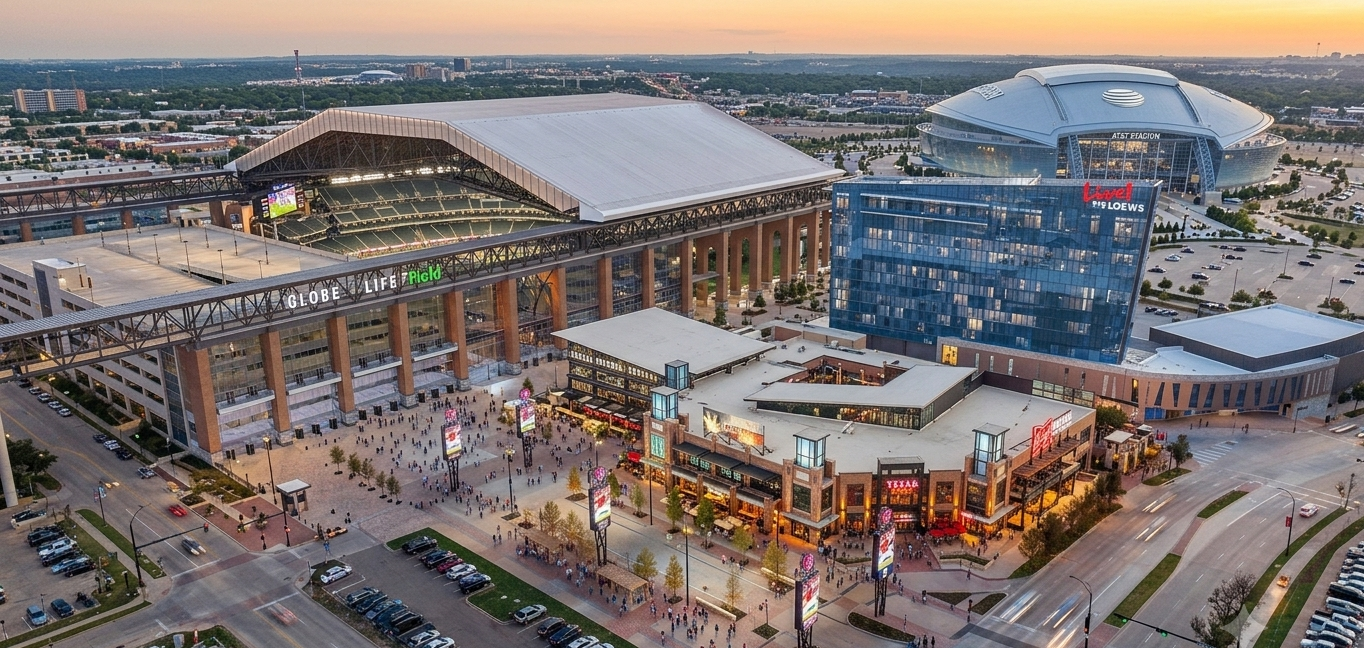
Everything you need to know to plan your move from Florida to Texas

Why thousands of Florida families are choosing Dallas-Fort Worth and what you need to know before you join them.

North Texas Market Insider™ · Florida Relocation

Why Florida Money is Flowing to North Texas

This is the page I expected to be hardest to write, because you already live in a no-income-tax state and your property taxes are lower than mine. If someone tells you Texas wins on both, close the tab. They have not done the work.

What actually moves Florida money to North Texas is carrying cost. Homeowners premiums among the highest in the country, frequently layered with separate wind and flood coverage. Condo assessments that arrived after post-Surfside legislation ended reserve waivers and mandated structural inspections, running from five figures into the hundreds of thousands per unit. More than 1,400 Florida condo associations on Fannie Mae's ineligible list, which means buyers cannot get conventional financing on those units at any price.

That last one is the part people underestimate. An assessment you can pay is a problem you solve. A building nobody can finance caps your exit whether you pay or not. It is why the reverse migration out of Florida looks nothing like the migration in, and why the people leaving are frequently the same ones who arrived between 2020 and 2022.

North Texas answers that with a narrower and more honest pitch. Lower housing cost across most of the metroplex, one insurance policy instead of three on most inland properties, no shared structural liability on a detached home, and an economy spread across finance, telecom, aviation, healthcare, logistics, and defence rather than concentrated in tourism and construction. You give up the beach, better winters, and Save Our Homes. If those three are not costing you anything, stay where you are.

1,400+

Florida associations on the Fannie Mae ineligible list

3% vs 10%

Save Our Homes cap against Texas's homestead cap

~$3,291

Texas statewide average premium, TDI 2024

Texas insurance figures reflect Texas Department of Insurance statewide averages across all active policies. Florida condominium inspection and reserve requirements are governed by state statute and association-specific circumstances. General information, not legal, tax, or financial advice.


North Texas Market Insider™ · Area Matcher

Find Your North Texas Landing Zone

Three questions, about twenty seconds. Tell me where in Florida you're leaving and I'll start you with the priorities most families from there name first. Change any of them, then set your budget, and I'll show you the areas worth a real look.

Where in Florida are you coming from?

I'll use this to suggest a starting point on the next step. You can change every one of them.

What actually matters most? Pick up to three.

0 of 3 selected. Tap to add or remove.

What's your home budget?

Purchase price, not monthly payment.

Your closest matches

Results are ranked only on the priorities and budget you selected, all of which you control. Every community listed is open to all buyers. Price ranges are general estimates and change with the market. See the full disclosure at the bottom of this page.

Florida → North Texas

Where Florida families are landing.

Florida buyers land differently than anyone else on this site, because most of them are leaving a condo, an HOA, or a coastal carrying cost rather than a house. The map skews urban and north. Tap what matters to you and the rest will drop away.

Showing all six areas

Tell me what part of Florida you're coming from and what you're actually trying to get away from, and I can usually narrow this list down to two or three specific North Texas areas that fit.

Call 214-228-0003

Bobby Franklin, REALTOR® · Legacy Realty Group – Leslie Majors Team · northtexasmarketinsider.com

North Texas Market Insider™ · Florida Relocation

Four Kinds of Florida Buyer

Florida buyers are the hardest group on this site to sell, and I mean that as a compliment. You already live in a no-income-tax state, your property taxes are lower than mine, and you did not move to Florida by accident. So the four plays below are not about taxes. Find yours, then open it for what actually determines whether it works.

Condo exit

The Condo Refugees

1,400+Florida associations on the Fannie Mae ineligible list

Owners who did the math after the reserve study came back. Post-Surfside legislation ended reserve waivers and mandated structural inspections, and the assessments that followed have run from five figures into the hundreds of thousands per unit on older coastal buildings.

What determines whether it works

The financing problem is often worse than the assessment. More than 1,400 Florida condo associations sit on Fannie Mae's ineligible list, which means buyers cannot get conventional financing on those units. An assessment you can pay is a problem. A building nobody can finance is a different problem, because it caps your exit.

Sell into the window you have, not the one you want. If your building has completed its milestone inspection and funded reserves, that is a selling point and you should market it as one. If it has not, the calendar is working against you and waiting rarely improves the position.

What you buy here does not have this exposure. A single-family home in DFW has no shared structural liability, no reserve study, and no association that can vote your net worth into a repair.

Insurance

The Premium Priced-Out

~2xFlorida premiums against Texas, on comparable coverage

Homeowners whose mortgage is fine and whose insurance is not. Florida carries among the highest homeowners premiums in the country, and coastal owners are frequently layering wind and flood coverage on top of a base policy that already reprices annually.

The honest comparison

Texas is not a cheap insurance state either. The Texas Department of Insurance put the 2024 statewide average near $3,291 across more than eight million active policies, with a preliminary 2025 figure around $3,506. Hail drives it, and North Texas carries a disproportionate share of the losses.

The difference is the structure and the trajectory. One policy rather than a layered stack, no windstorm pool, no separate flood requirement on most inland properties, and a market carriers are still actively writing in.

Get a quote during the option period. Roof age drives insurability here the way roof age and wind mitigation do there, so the diligence habit you already have transfers directly.

Reverse move

The Reverse Migrants

2020–2022arrived then, priced out now

People who moved to Florida during the boom and found the arithmetic changed underneath them. Prices ran, insurance ran harder, HOA and CDD costs climbed, and the affordability that justified the move in the first place quietly disappeared.

What determines whether it works

Be honest with yourself about what actually broke. If it was the purchase price, DFW helps but is not free. If it was the carrying cost, insurance plus HOA plus CDD, then DFW helps substantially and the relief shows up monthly rather than at closing.

Watch the two trend lines, not the two medians. DFW values softened through 2025 while much of Florida was still correcting. Two markets moving in different directions is a timing question worth taking seriously.

You have moved recently, which is an advantage. You already know what a relocation actually costs, what it does to a family, and which of your assumptions were wrong the first time. Most buyers do not have that.

Career depth

The Economy Diversifiers

Two downtownsand 20+ Fortune 500 headquarters

Professionals in a state whose economy leans heavily on tourism, hospitality, construction, and retirement services. DFW offers finance, telecom, aviation, healthcare, logistics, and defence inside a single metro, which changes what a career ceiling looks like.

What determines whether it works

This is the argument that actually distinguishes DFW from Florida, because the tax pitch does not. Florida's economy is more concentrated than its size suggests, and a downturn in tourism or construction hits a lot of households at once. DFW's base is genuinely diversified across half a dozen major sectors.

Both states have no income tax, so compare take-home against cost of living rather than gross. Salaries in some Florida service and hospitality roles run below DFW equivalents, which compounds in your favour on top of the housing difference.

If you own an entity, Texas has a franchise tax. It is a privilege tax on taxable margin, and for 2026 and 2027 reports the no-tax-due threshold is $2.65 million in annualised revenue, so most small businesses owe nothing. An annual information report is still due May 15 regardless.

General information, not tax, legal, or investment advice. Franchise tax figures reflect Texas Comptroller guidance for 2026 and 2027 report years and are subject to change. Capital gains treatment depends on your individual circumstances. Consult a CPA and a licensed lender before acting on any of this.

North Texas Market Insider™ · Reality Check

What Florida Didn't Prepare You For

Twelve things that catch Florida families off guard, starting with the two lines where Florida genuinely beats Texas. Three of them carry a real number. Tick the ones that apply and build your own first-year figure, then open any card for the detail underneath it.

Showing all twelve

Your estimated first-year carrying cost $0

Tick the boxes on the three cost cards below to build your number.

01Costs money

Property Tax Is Where Florida Beats Texas

3% vs 10% annual homestead cap on assessed value

This is the line where you are moving in the wrong direction, and it is the biggest single reason a Florida buyer should think carefully. Florida's Save Our Homes caps annual assessed value growth at 3 percent. Texas caps at 10 percent. Florida also lets you port that accumulated benefit to your next Florida home. Texas has no equivalent portability.

What softens it, and what does not

Texas does cap increases, at 10 percent plus new improvements under Tax Code 23.23, and the school district homestead exemption rose to $140,000 for tax year 2025 after voters approved Proposition 13. Homeowners over 65 or disabled reach $200,000. That is real money but it is not Save Our Homes.

The cap does not protect you in year one. It begins January 1 following the year you first qualify, so your first assessment is uncapped. File at closing and protest that first year, because it sets the base every future increase builds on.

Where it evens out: if you are leaving a long-held Florida homestead with a large accumulated Save Our Homes benefit, you are giving up something genuinely valuable. If you bought in Florida after 2020, you have far less of that benefit banked and the comparison is much closer than it looks on paper.

02Costs money

No Milestone Inspections, No Reserve Studies

1,400+ Florida associations on the Fannie Mae ineligible list

Post-Surfside legislation ended reserve waivers and mandated structural inspections on older condo buildings, and the assessments have run from five figures into the hundreds of thousands per unit. A single-family home in Texas carries none of that shared structural liability.

The financing side is the worse half

More than 1,400 Florida condo associations sit on Fannie Mae's ineligible list, which means buyers cannot obtain conventional financing on those units. An assessment you can pay is a problem you solve. A building nobody can finance is a problem that caps your exit price whether you pay or not.

If you are selling a Florida condo, a completed milestone inspection and a funded reserve study are genuine selling points and should be marketed as such. If your building has neither, the calendar is not working in your favour.

What you buy here has no equivalent exposure. HOAs exist in Texas and can levy assessments, but there is no shared structural liability on a detached home and no state-mandated reserve regime.

03Costs money

Insurance Roughly Halves, and Stays One Policy

~2x Florida premiums against Texas, on comparable coverage

Florida carries among the highest homeowners premiums in the country, and coastal owners frequently layer wind and flood coverage on top of a base policy that reprices annually. Inland North Texas is one policy on most properties.

Texas is not cheap either

The Texas Department of Insurance put the 2024 statewide average near $3,291 across more than eight million active policies, with a preliminary 2025 figure around $3,506. Hail drives it and North Texas carries a disproportionate share of the losses. This is a high-premium state by national standards.

The difference is structure and direction. One policy rather than a layered stack, no separate windstorm pool, no flood requirement on most inland properties, and a market carriers are actively writing in rather than exiting.

Roof age drives insurability here the way roof age and wind mitigation credits do in Florida, so the diligence habit you already have transfers directly. Get the quote during your option period.

04Daily life

MUDs Are Just CDDs With a Different Name

Familiar which makes you the rare buyer who already gets it

Everyone else on this site gets blindsided by Municipal Utility Districts. You will not. Texas MUDs and PIDs work substantially like Florida's Community Development Districts: a separate entity issuing bonds for water, sewer, drainage, and streetscape, repaid through your tax bill over twenty to thirty years.

Ask the same questions you already know to ask

Ask for the total tax rate, not the monthly payment. A builder quoting a payment may be using the current rate on unimproved land, exactly the way a Florida builder quotes before the CDD assessment is fully layered in.

Two homes at the same price in adjacent neighbourhoods can differ by hundreds a month on this line alone, and most online mortgage calculators miss it entirely.

The one difference worth noting: Texas MUD obligations are generally embedded in the property tax rate rather than billed as a separate CDD line, so you will find it on the tax statement rather than as its own invoice.

05Weather

Hail Replaces the Hurricane

10–30 min of warning, instead of five days

You trade a storm you track for a week for a storm you track for twenty minutes. North Texas sees damaging hail, high wind, and tornado activity concentrated in April and May, plus two to four ice events a year that shut down highways.

Why the trade works in your favour

There is no evacuation and no cone of uncertainty. No boarding up, no fuel lines, no deciding on a Tuesday whether the track shifts. Florida transplants consistently say it took a full season to stop checking the tropics in August.

Recovery is measured in weeks, not seasons. Roofers here work with insurers constantly and hail claims are routine rather than catastrophic. A damaged roof is a deductible, not a displacement.

Take the ice seriously though. Infrastructure here is built for heat, not extended freezing. Know where your water shutoff is before your first February, and expect the region to slow dramatically during an ice event.

06Daily life

Tolls Work the Same, the Tag Does Not

TollTag not SunPass, and they do not transfer

You already live with an extensive toll network, so the concept is familiar. DFW runs the Dallas North Tollway, the President George Bush Turnpike, and the Sam Rayburn Tollway, plus dynamically priced express lanes on several corridors.

The one practical thing to do first

Get a TollTag in your first week. SunPass does not work here, and driving untagged means pay-by-mail rates that run meaningfully higher. This is the most common avoidable expense for new arrivals from Florida.

Dynamic pricing on express lanes rises with congestion, which means the worst time to use them is exactly when you most want to, the same as Florida's express lanes.

Factor it into the suburb decision. Two neighbourhoods twenty minutes apart can differ by a hundred dollars a month depending on which corridor you use.

07Outdoors

There Is No Beach and That Is the Real Trade

4+ hrs to salt water, and it is the Gulf

You are giving up the single best amenity Florida has. Galveston is roughly four and a half hours from DFW and it is not Siesta Key, Delray, or Sanibel. If a Saturday on the sand is load-bearing in your life, take this seriously before anything else on this page.

What actually replaces it

Lake culture, and it is a genuine culture here rather than a consolation prize. Lake Ray Hubbard, Lake Lavon, Lake Grapevine, Possum Kingdom, and Lake Whitney all sit within an hour or two, and boat ownership is common and comparatively cheap.

What you gain on the water is cost and simplicity. Lakefront here costs a fraction of Florida coastal property, there is no salt corrosion on the boat or the dock, no separate wind policy, and no surge exposure.

Be honest with yourself. Many Florida transplants find they used the beach less than they thought and miss it more than they expected. That is a real feeling and worth naming rather than arguing with.

08Weather

Winter Is a Real Season Here

40s–60s and occasional hard freezes

Florida winter is the reward for surviving Florida summer, and you are giving that up. North Texas winters are mild by national standards but they are genuinely a season: days in the 40s to 60s, a handful of hard freezes, and two to four ice events a year.

What that actually means day to day

Coats become a real purchase rather than a formality. So do gloves, a windshield scraper, and the habit of checking the forecast before a January drive.

The upside is four distinct seasons, which most Florida transplants name as an unexpected pleasure by the second year. Fall genuinely happens here. Trees change colour. Spring is not just the end of the dry season.

The freeze risk is the practical concern. Pipes here are built for heat, not sustained cold. Know where your water shutoff is before your first February.

09Wildlife

Different Pests, Similar Pest Bill

$75–$125 a month for pest control

You are trading palmetto bugs, love bugs, and year-round humidity-driven insect pressure for fire ants, striped bark scorpions, and a mosquito season that is long but shorter than Florida's. Net, the pest control line looks about the same.

What is actually new

Fire ants are worse here than most Florida transplants expect, and mounds appear across open lawn fast after rain following a dry stretch. If you have kids or dogs, this is the one that changes how you use a yard.

Striped bark scorpions are genuinely new. They come indoors seeking water in late summer, the sting is comparable to a wasp for most people, and seeing one or two weekly during peak season is normal in some neighbourhoods.

What you leave behind: year-round humidity-driven pressure, love bug season, and the specific misery of a Florida August indoors. The season here has an actual end.

10Culture

State Identity Is a Thing Here in a Way It Isn't There

Texas Pledge recited after the national one

Florida is one of the most transient states in the country, and much of it has no strong regional identity. Texas has the opposite problem. The flag goes on everything, your kids will say the Texas Pledge every morning, and people are genuinely emotional about a grocery chain.

Why this cuts in your favour

You are used to a place where everyone is from somewhere else, which has upsides but makes community roots slower to form. Texas suburbs run on neighbourhood, school, and church networks that will absorb a new family faster than most Florida communities did.

The football difference is real. Friday night high school football is the community calendar here from August through November, at a scale Florida does not match outside a few programmes.

Faith is more publicly present in casual conversation than it is in most of Florida. Not pressured, just ambient, and worth knowing rather than discovering.

11Costs money

The Homestead Deadline Moves From March to April

March 1 → April 30 different date, same idea

You already know to file a homestead exemption, which puts you ahead of most transplants. The Texas deadline is April 30 rather than Florida's March 1, and applications are accepted from January 1. Texas allows a late filing for up to two years after the delinquency date with a penalty.

The order nobody explains

Your Texas driver's licence address must match the property. Appraisal districts reject applications where it does not, so the chain matters: register the vehicle first, then get the licence at the property address, then file the exemption.

This is what starts your 10 percent appraisal cap. Given that Texas caps at 10 percent rather than Florida's 3 percent, getting the clock started immediately matters more here than it did there.

You file once. The exemption stays on the property as long as it is your principal residence, with no annual refiling, same as Florida.

12Daily life

Your Paperwork Clock Starts the Day You Arrive

30 / 90 days, and they are different clocks

Thirty days to register your vehicle with the county tax office. Ninety days to get a Texas driver's licence from DPS. Most people assume it is one deadline handled in one trip. It is not.

Do these in the right order

Register the vehicle before you go to DPS. The licence application asks for proof of Texas registration, so the county tax office is your first stop. Getting this backwards costs an entire wasted morning.

Texas dropped the annual safety inspection for most non-commercial vehicles in January 2025, but emissions testing is still required in the most populous counties, which includes all of DFW.

Budget for the new resident fee. New residents pay a vehicle tax of $90 or the difference between the prior state's sales tax and the Texas rate, plus registration and title fees.

Figures are general estimates and vary by property, neighbourhood, and provider. Texas homeowners insurance figures reflect Texas Department of Insurance statewide averages; your quote will differ by roof age, claims history, and location. Condo, property tax, and exemption references are general information, not legal or tax advice. Confirm current rules and rates with the appropriate authority before relying on them.

North Texas Market Insider™ · Climate & Cost Ledger

Florida vs North Texas, Honestly

This is the hardest comparison on this site to make, because you already live in a no-income-tax state with lower property taxes than mine. Three of these eight rows go against Texas, including two that matter to your monthly payment. They are marked as such. Tap any row for the detail underneath it.

Insurance FloridaAmong the highest in the nationvsNorth TexasOne policy, still expensive North Texas
STATE

Base policy plus separate wind and flood on most coastal properties, repricing annually, with a state-backed insurer of last resort carrying a large share of the market.

North Texas

The Texas Department of Insurance put the 2024 statewide average near $3,291. High by national standards, driven by hail, but a single policy and a market carriers are actively writing.

Structure matters more than rate

I am not claiming Texas is cheap. It is a high-premium state and North Texas carries a disproportionate share of national hail losses.

The difference is the stack. One policy rather than three, no separate windstorm pool, and no flood requirement on most inland properties. Roof age drives insurability here the way roof age and wind mitigation credits do in Florida, so your diligence habits transfer directly.

Condo structural risk FloridaMilestone inspections and reserve studiesvsNorth TexasNone on a detached home North Texas
STATE

Post-Surfside legislation ended reserve waivers and mandated structural inspections. Special assessments have run from five figures into the hundreds of thousands per unit, and more than 1,400 associations sit on Fannie Mae's ineligible list.

North Texas

HOAs exist and can levy assessments, but there is no shared structural liability on a single-family home and no state-mandated reserve regime.

The financing side is the worse half

A building nobody can finance caps your exit price whether or not you personally pay the assessment. That is a different category of problem from a bill you can budget for.

If your building has completed its milestone inspection and funded reserves, that is a genuine selling point. If it has not, waiting rarely improves the position.

Property tax Florida3% Save Our Homes cap, portablevsNorth Texas10% cap, no portability Florida
STATE

Florida caps annual assessed value growth at 3 percent and lets you carry accumulated benefit to your next Florida home. This is a genuinely strong homeowner protection.

North Texas

Texas caps at 10 percent plus new improvements under Tax Code 23.23, with a $140,000 school district exemption as of 2025. Better than uncapped, nowhere near Save Our Homes.

The concession, stated plainly

Florida wins this row outright and it is not close. Any page that tells you otherwise is selling.

How much it costs you depends on your history. If you are leaving a long-held Florida homestead with a large accumulated Save Our Homes benefit, you are giving up real money. If you bought after 2020, you have little banked and the gap is far smaller than the headline suggests.

File in Texas at closing and protest your first year, because the 10 percent cap only begins the January after you first qualify, and that first protest sets the base.

Hurricanes FloridaA season, every yearvsNorth TexasHail and spring storms North Texas
STATE

Cone of uncertainty, evacuation decisions, boarding up, fuel lines, and the annual question of whether this is the year.

North Texas

Damaging hail, high wind, and tornado activity concentrated in April and May, plus two to four ice events a year.

Warning time is the difference

There is no evacuation. Radar and phone alerts give ten to thirty minutes, you shelter in an interior room for fifteen to twenty, and the storm passes. Florida transplants consistently say it took a full season to stop checking the tropics in August.

Recovery is weeks, not seasons. Roofers here work with insurers constantly and hail claims are routine rather than catastrophic.

Take the ice seriously though. Infrastructure here is built for heat. Know where your water shutoff is before your first February.

Beaches and coast FloridaSome of the best anywherevsNorth TexasLakes, and a long drive to salt Florida
STATE

Gulf and Atlantic coasts, world-class beaches, boating on salt water, and the reason a great many people moved to Florida in the first place.

North Texas

Galveston is roughly four and a half hours and it is a Gulf beach, not Siesta Key. What you get instead is extensive lake access within an hour or two.

The row that decides it for some families

Say the hard part plainly: this is the biggest thing you give up. If a Saturday on the sand is load-bearing in your life, weigh this above everything else here.

What replaces it is lake culture, which is genuinely a culture rather than a consolation. Boat ownership is common and comparatively cheap, and there is no salt corrosion, no surge, and no separate wind policy on the dock.

Be honest with yourself. Many transplants find they used the beach less than they thought and miss it more than they expected. Both things can be true.

Winter FloridaThe reward for the summervsNorth TexasA real season, mildly Florida
STATE

Mild, sunny, and genuinely excellent. It is the season Floridians organise their year around and it has no equivalent here.

North Texas

Days in the 40s to 60s, a handful of hard freezes, and two to four ice events a year that shut down highways and schools.

But you gain four seasons

Florida wins this row and you will feel it in January. Coats become a real purchase rather than a formality.

What you gain is seasonality, which most Florida transplants name as an unexpected pleasure by the second year. Fall genuinely happens. Trees change colour. Spring is not just the end of the dry season.

Humidity FloridaYear-roundvsNorth TexasSummer only, and drier North Texas
STATE

High dew points nearly all year, with limited relief even in the cooler months. It is the constant, not the peak.

North Texas

Hot from June through September with a meaningfully lower dew point than coastal Florida, and genuine relief from October through May.

The seasonal shape is the point

Peak summer here is comparable to Florida and occasionally worse on temperature. The difference is that it ends. October through May is dry and comfortable rather than merely less humid.

Practical effect: your outdoor season inverts. In Florida you hide from July and August. Here you hide from July and August too, but you get a genuinely usable spring and autumn on the other side.

The overall trade FloridaLow tax, high carrying costvsNorth TexasSame tax, lower carrying cost North Texas
STATE

No income tax, low property tax, and excellent winters, paired with the highest insurance in the country, condo structural exposure, and hurricane season.

North Texas

No income tax, higher property tax, and one insurance policy instead of three, with no structural assessment risk and no evacuation.

Stated plainly

This is the only state on this site where the income tax argument is a wash, and where the origin state genuinely beats Texas on property tax. That should tell you the pitch here is narrower and more honest than most.

What you are actually buying is carrying cost and diversification. Insurance structure, no condo assessment exposure, lower housing cost across most of DFW, and an economy spread across half a dozen major sectors rather than concentrated in tourism and construction.

If your carrying cost is fine and you love where you are, stay. I would rather tell you that than sell you a move you do not need.

General information rather than advice. Insurance costs, tax rates, condominium regulations, and weather patterns vary by property and change over time. Texas insurance figures reflect Texas Department of Insurance statewide averages. Florida condominium inspection and reserve requirements are governed by state statute and association-specific circumstances; consult your association documents and a qualified professional before relying on any of this.

North Texas Market Insider™ · Schools

Four Ways Florida Families Choose a District

Florida and Texas rank close to each other nationally, so this is not a state-level upgrade the way it is for some origins. What differs is structure: Florida runs countywide districts where a single county contains enormous variation, while Texas runs many smaller independent districts where the district name genuinely tells you something. That makes district selection matter more here, not less. These are the four patterns I actually see.

Each bar is drawn on the same $0 to $2.6M scale, so the widths are directly comparable across all four tiers.

Tier 1 Best available
$500K–$1.2M

"We Want the Best Available"

Highland Park ISD · Carroll ISD (Southlake) · Coppell ISD · Lovejoy ISD · Grapevine-Colleyville ISD

The peer set for families leaving Pinecrest, Weston's best zones, Winter Park, or a Florida private school. Small-to-midsize districts with deep resources and the kind of parent funding that shows up in facilities and programmes.

What you're actually getting

The private tuition comparison is the real math. A lot of South Florida families carry private school as a fixed line because the zoned public option does not work. In these districts the public option is strong enough that many transplants drop that cost entirely, and the annual saving frequently exceeds the property tax difference on its own.

You pay the district premium in the home price, the same way a Pinecrest or Boca address carries one. It is real on the way in and it holds on the way out.

Best for families where the district decision is non-negotiable, and for anyone currently writing tuition cheques who would rather convert that into equity.

Tier 2 Value + outcomes
$400K–$700K

"Strong Schools, Smart Money"

Frisco ISD · Prosper ISD · Allen ISD · Plano ISD · Wylie ISD

Large, established districts with the scale to run programmes a smaller system cannot. This is where most Florida professional families land, and the master-planned neighbourhoods around them will feel immediately familiar.

What you're actually getting

Scale is the feature. Multiple high schools per district means more AP and dual-credit options, more career pathways, more athletics and arts. Coming from a large Florida county district you already understand scale, but here it comes with a much tighter geographic footprint.

The neighbourhoods will feel like home. Amenity centres, community pools, organised youth sports, and CDD-style infrastructure districts you already know how to evaluate.

Best for families who want strong schools and newer construction without stretching into the top price tier.

Tier 3 Long game
$280K–$475K

"We\u2019re Playing the Long Game"

Midlothian ISD · Waxahachie ISD · Red Oak ISD · Forney ISD · Rockwall ISD

Growing districts south and east of Dallas where the same money buys meaningfully more house and often actual land, plus lake access on the eastern side.

What you're actually getting

This is the equity tier. The gap between a Tampa or Jacksonville sale price and an entry here is where most of the financial benefit of the move actually shows up, particularly if your Florida carrying cost was the problem rather than your purchase price.

These districts are growing fast, which cuts both ways. New campuses are being built and attendance boundaries get redrawn as they open. Ask which campus a home feeds to and whether a rezoning is on the calendar.

Best for families prioritising space and monthly breathing room over a district name, and for anyone who wants a boat in the driveway. This is my home corridor, so I will tell you plainly: the growth here is real and it is early.

Tier 4 Urban & walkable
$300K–$900K+

"We Want City Life Without the Assessment"

Dallas ISD magnet programmes · Uptown · Bishop Arts · Deep Ellum · Oak Lawn

For former condo owners and urban households who want to stay dense. Note that the school conversation changes here: Dallas ISD is uneven, but its magnet and choice programmes are genuinely strong and worth understanding.

What you're actually getting

Dallas ISD's magnet schools are the piece most people miss. Several of them rank among the strongest public high schools in the state, and admission is application-based rather than address-based, which is a different game from Florida's zoned county model.

The housing math is the draw. Uptown and the intown neighbourhoods deliver walkability at a fraction of Brickell or downtown Fort Lauderdale pricing, with no milestone inspection regime and no structural reserve assessment risk.

Best for singles, couples, and empty-nesters leaving a Florida condo who want the density without the shared structural liability. If you have school-age kids, understand the magnet application timeline before you commit to an address.

School district information is provided as general information only and reflects the districts Florida families most frequently ask about. Attendance boundaries, program offerings, campus assignments, and performance data change and vary by campus. Verify all school information directly with the district before making any purchase decision. Home price ranges are general estimates and vary by neighborhood, campus, and market conditions. As a REALTOR® I comply fully with the Fair Housing Act and cannot and will not direct buyers toward or away from any community based on race, color, religion, sex, national origin, familial status, or disability.

What Floridians Need To Know Before They Move

Is Texas Really The Worst State To Live In?

Is Texas Really The Worst State To Live In? Why CNBC’s New Study Is Misleading

By Bobby Franklin, REALTOR® — North Texas Market Insider | Serving Ellis County, the I-35E Corridor, and the DFW Metroplex Last updated: July. Continue reading
Stream data centers could just reshape real estate wealth in North Texas. Learn the best strategies for choosing the best North Texas Homebuilder. Learn more with Bobby Franklin, the North Texas Market Insider. Bobby Franklin is the best realtor in Waxahachie.

How Stream Data Centers Are About To Redraw the NTX Real Estate Map

Why the smartest money in America is betting on southern Dallas County, and what it means for...
Everything you need to know about North Texas property taxes, and how to dispute them

North Texas Property Taxes: The Ultimate Guide

The Intelligence You Need Before You Buy Here’s the thing about Texas property taxes that...
Ellis County is booming with new construction. Learn more with Bobby Franklin, the North Texas Market Insider. Bobby Franklin is the best realtor in Waxahachie.

The Dallas Apartment Explosion: Why Smart Money is Moving NOW

Dallas just claimed the #2 spot nationally for apartment construction with 28,958 units under...
Market Snapshot · Live NTREIS Data

What the DFW Market Is Actually Doing

In Florida, what a home sold for is recorded on the deed and becomes public record. In Texas it does not. Sales price information provided to appraisal districts is confidential under Tax Code 22.27, which means every national site you have been browsing is estimating closed prices here rather than reporting them. These four charts come from NTREIS, the MLS, where the confirmed numbers actually live.

Median Sales Price

What Your Equity Actually Buys

The middle point of all closed sales, so one luxury outlier cannot skew it. This is the number to hold your Florida sale price against. Compare it to your own median, not to your neighbourhood's best comp. Note the direction of travel too: DFW values softened through 2025 while much of Florida was still correcting, so you are comparing two markets that moved differently.

Chart: Median sales price across the DFW market, tracked monthly. Source: NTREIS MLS.
Closed Sales

How Much Is Actually Trading

Completed transactions where financing cleared and the home changed hands. Read it against price, never alone. Rising prices with rising volume is genuine demand. Rising prices with falling volume means sellers are holding a number that fewer buyers will accept, and that is precisely when concessions start showing up in contracts.

Chart: Closed sales volume across the DFW market, tracked monthly. Source: NTREIS MLS.
Percent Of Original List Price

How Far Sellers Actually Move

What homes closed for measured against their original ask, before any price reductions. Near 100 percent means sellers are holding firm. Below it, that gap is your negotiating room. This is the single most useful number to carry into an offer, and out-of-state buyers almost never ask for it.

Chart: Percent of original list price received across the DFW market, tracked monthly. Source: NTREIS MLS.
Showings To Pending

How Hard Sellers Are Working

How many showings it takes to produce one home going under contract. This is the earliest honest signal on the page. A low number means homes are selling on the first weekend and you will be competing. A climbing number means sellers are opening the door again and again before anyone writes, and that is buyer leverage arriving weeks before it ever reaches an asking price.

Chart: Showings required per pending sale across the DFW market, tracked monthly. Source: NTREIS MLS.

All four charts update automatically from NTREIS as new sales close. Want these numbers filtered to the specific submarkets you are considering, with your Florida sale price run against them? Call 214-228-0003.

Bobby Franklin, REALTOR® · Legacy Realty Group – Leslie Majors Team · northtexasmarketinsider.com

North Texas Market Insider™ · Florida Relocation

What Floridians Want To Know About Texas

Ten answers on the questions that come up on every Florida relocation call, starting with the awkward one: if you already live in a no-income-tax state with lower property taxes, why would you move here at all.

If Florida already has no income tax, what am I actually gaining?

Fair question, and it deserves a straight answer rather than a pitch. You gain three things: insurance structure, housing cost, and economic diversification.

Insurance is the big one. Florida carries among the highest homeowners premiums in the country, and coastal owners often layer wind and flood on top. Inland North Texas is typically one policy. Second, housing costs less across most of DFW than across most of coastal Florida. Third, Florida's economy leans heavily on tourism, hospitality, construction, and retirement services, while DFW spans finance, telecom, aviation, healthcare, logistics, and defence. If none of those three things is a problem for you, staying in Florida is a perfectly rational decision.

Are Texas property taxes really higher than Florida's?

Yes, and this is the line where Florida wins clearly. Florida's Save Our Homes provision caps annual assessed value growth at 3 percent and lets you port accumulated benefit to your next Florida home. Texas caps at 10 percent under Tax Code 23.23 and has no portability.

What softens it: the Texas school district homestead exemption rose to $140,000 for tax year 2025 after voters approved Proposition 13, with eligible homeowners over 65 or disabled reaching $200,000. And the practical size of the gap depends on your situation. If you are leaving a long-held Florida homestead with a large accumulated Save Our Homes benefit, you are giving up real money. If you bought in Florida after 2020, you have far less banked and the comparison is much closer.

What happens to my insurance costs?

They generally fall substantially, and more importantly the structure simplifies. Florida owners frequently carry a base policy plus separate wind and flood coverage. Most inland North Texas properties require one policy.

Texas is not inexpensive. The Texas Department of Insurance reported a 2024 statewide average near $3,291 across more than eight million active policies, with a preliminary 2025 figure around $3,506, driven largely by hail. But coverage is available, carriers are actively writing, and the claims process is routine rather than adversarial.

I own a condo. How does that change things?

Significantly, and it is the reason a lot of Florida owners are moving at all. Post-Surfside legislation ended reserve waivers and mandated structural inspections on older buildings, and the resulting special assessments have run from five figures into the hundreds of thousands per unit.

The financing side is often worse than the assessment. More than 1,400 Florida condo associations sit on Fannie Mae's ineligible list, which means buyers cannot obtain conventional financing on those units. An assessment you can pay is solvable. A building nobody can finance caps your exit price regardless. If your building has completed its milestone inspection and funded reserves, market that. If it has not, understand that the calendar is not working in your favour.

How does the weather compare? Is it just as hot?

Summer temperatures are broadly comparable, though DFW runs drier and Florida runs more humid year-round. The bigger differences are winter and severe weather.

You gain four distinct seasons, which most Florida transplants name as an unexpected pleasure by the second year. You give up Florida's excellent winters, and you take on genuine cold snaps plus two to four ice events annually. On severe weather you trade hurricanes for hail and tornado risk concentrated in April and May, with ten to thirty minutes of warning instead of a five-day cone.

Will I miss the beach?

Probably, and I am not going to talk you out of it. Galveston is roughly four and a half hours from DFW and it is a Gulf beach, not Siesta Key or Delray. If a Saturday on the sand is load-bearing in your life, weigh this above everything else on this page.

What replaces it is lake culture, which is a genuine culture here rather than a consolation. Lake Ray Hubbard, Lake Lavon, Lake Grapevine, and Lake Whitney are all within an hour or two, boat ownership is common and comparatively cheap, and there is no salt corrosion, no surge exposure, and no separate wind policy on the dock.

Are Texas schools better than Florida's?

The two states rank close to each other nationally, so this is not a state-level upgrade the way it is for some origins. The structural difference matters more.

Florida runs countywide districts where a single county contains enormous variation between campuses. Texas runs many smaller independent districts where the district name genuinely tells you something. That makes district selection more consequential here, and it means a family currently paying private tuition because of a zoned school can often solve that with an address rather than a cheque.

What about MUDs? I keep hearing about them.

You are the rare buyer who already understands this. Texas Municipal Utility Districts and Public Improvement Districts work substantially like Florida's Community Development Districts: a separate entity issuing bonds for water, sewer, drainage, and streetscape, repaid over twenty to thirty years.

The one practical difference is that Texas MUD obligations are generally embedded in the property tax rate rather than billed separately, so you will find them on the tax statement rather than as their own invoice. Ask for the total tax rate rather than the monthly payment, exactly the way you would evaluate a CDD.

How different is the culture?

Florida is one of the most transient states in the country and much of it has no strong regional identity. Texas has the opposite. State identity is loud, the flag is everywhere, your kids will recite the Texas Pledge every morning, and people are genuinely emotional about a grocery chain.

Practically that cuts in your favour. Texas suburbs run on neighbourhood, school, and church networks that absorb a new family faster than most Florida communities do. Faith is more publicly present in casual conversation, and Friday night high school football is the community calendar from August through November at a scale Florida does not match.

Everyone moved to Florida. Why would I move out?

Because the arithmetic that justified those moves changed. Florida's net domestic in-migration has fallen dramatically from its 2022 peak, and the reasons are consistent: prices ran, insurance ran harder, HOA and CDD costs climbed, and post-Surfside condo legislation added a cost category that did not exist before.

You are not doing something strange. You are one of a large and growing group who did the maths on the carrying cost rather than the purchase price and found the answer had moved. If your carrying cost is fine and you love where you are, stay. If it is not, DFW is worth an honest look.

Question that isn't on this list? That's usually the one worth a phone call. Tell me where in Florida you're coming from and what you're trying to solve, and I'll give you a straight answer about how it works here.

Call Bobby · (214) 228-0003
Bobby Franklin, REALTOR® Legacy Realty Group – Leslie Majors Team 214-228-0003
North Texas Market Insider™ · Working Together

Your Florida-to-Texas Relocation Specialist

I work with Florida relocators regularly, and you are the most informed group I deal with. You already understand CDDs, homestead exemptions, wind mitigation credits, and what a hard insurance market does to a housing market. You do not need the basics explained. You need the Texas-specific version of things you already know.

So that is how I work with you. I will tell you plainly that Florida beats Texas on property tax and that Save Our Homes has no equivalent here. I will tell you when your carrying cost is actually fine and the move does not make sense. And if you are selling a condo, I will be direct about whether your building's inspection and reserve status is a selling point or a problem, because that determines your timeline more than the market does.

What I provide

  • Condo exit strategy an honest read on whether your building's milestone inspection and reserve status helps or hurts your sale timeline.
  • Insurance quotes early coordinated during the option period so the carrying cost comparison is real rather than estimated.
  • MUD and PID breakdowns translated into CDD terms you already understand, with the total tax rate rather than a builder's monthly estimate.
  • Virtual property tours walked live on video with commentary, for buyers still in Florida.
  • Neighbourhood translation mapped against your market. If you liked Winter Park or Weston, I will tell you where that actually is here.
  • Lender connections who handle out-of-state relocations routinely and understand condo financing complications.
  • School district guidance campus-level rather than headline ratings, including Dallas ISD magnet timelines if you are staying urban.
  • Post-move support homestead exemption filing by April 30, the 30 and 90 day paperwork clocks, and community connections.

Ready to plan your move to Texas?

Market insights · Strategic planning · No pressure

Call Bobby · (214) 228-0003
Bobby Franklin, REALTOR® Legacy Realty Group – Leslie Majors Team · TREC #0805459

Let’s make your Florida-to-Texas move happen.

Bobby Franklin Realtor®

Bobby Franklin

Realtor®

Serving DFW | Ellis County
16 Northgate Dr. Ste 100

Waxahachie, TX 75165

Ready To Plan Your Move To Texas?

Market Insights | Strategic Planning