
If you’ve been scrolling TikTok or Instagram lately, you’ve seen the posts. Viral charts. Apocalyptic headlines. People claiming that if home prices had just tracked income growth since the 1970s, the average house today would cost around $170,000. And now, right alongside those posts, you’re seeing headlines screaming that sellers outnumber buyers by over 600,000 nationally, the biggest gap ever recorded, and that renting is officially cheaper than buying in every major U.S. metro.
Feels like a contradiction, doesn’t it?
Here’s what I know: most of the people sharing those posts don’t live in North Texas. They don’t know what’s happening in Waxahachie, Midlothian, Ferris, or Red Oak. They don’t understand why Ellis County looks different from Phoenix, or why the south DFW corridor keeps attracting buyers even when national headlines are screaming doom.
That’s my job. That’s what North Texas Market Insider exists to do, to cut through the noise, give you the data, and tell you what it actually means for your specific situation right now.
So let’s get into it.

The Frustration Behind the Viral Posts Is Real — But the Math Is Wrong
Here’s what those viral charts are getting right: home prices have dramatically outpaced wage growth in much of America, and that disconnect is real. People aren’t imagining it. They’re feeling it every time they look at what their parents paid for a house in the 1980s versus what that same house costs today.
According to a nonpartisan breakdown by USAFacts, U.S. home prices rose roughly 74% between 2010 and 2022, while average wages increased about 54% over that same period. In Texas, Florida, and several western states, prices outpaced wages by an even wider margin.
CNBC’s long-term analysis shows that in the 1960s, a typical buyer might spend about three times their annual income on a home. Today that figure pushes past five times income in many markets.
That’s a real shift. That’s a real problem for first-time buyers and working families.
But here’s where I have to be honest with you: the exact claim that homes “should” cost $170,000 right now? That’s where the math just falls apart. USA Today’s fact check on viral home affordability claims shows these posts consistently oversimplify or outright misstate the numbers. The emotional truth is valid. The specific claim isn’t.
And the difference matters, because if you’re making a six-figure financial decision based on a viral chart some guy made in Canva, you could be making a very expensive mistake.
The Seller Surplus Nobody Saw Coming
For most of 2012 through 2022, every real estate conversation in America was dominated by the same three phrases: inventory crisis, multiple offers, bidding wars. Buyers were sleeping in their cars outside open houses. Sellers were getting twenty offers in a weekend.
That script didn’t just flip after COVID, it got shredded.
In early 2026, data emerged that turned heads: sellers are now outnumbering buyers by a record margin. A Redfin-based analysis found that in February there were roughly 1.99 million home sellers compared to about 1.36 million buyers nationwide, a gap of approximately 630,000, or 46.3%, the widest spread since at least 2013. Real Estate News has a detailed breakdown of this seller-buyer gap that’s worth reading in full.
Why is this happening? Three main drivers:
More homeowners are finally listing. Years of built-up equity and life changes like retirements, relocations, divorces and job changes that were suppressed during the rate-lock era. Now they’re surfacing all at once or becoming too urgent to ignore.
Affordability constraints are keeping buyers sidelined. Mortgage rates, property taxes, and insurance costs have combined to push monthly payments to historic highs relative to income. Many buyers who want to move simply can’t make the numbers work yet.
New construction has flooded the pipeline. Master-planned communities that were approved during the pandemic boom are now delivering product and adding supply precisely when buyer demand is most constrained.
Here’s the thing about all of that national data, though: it hides what’s actually happening on the ground in specific markets. North Texas and Ellis County in particular, is navigating its own version of this story. And the local version is considerably more nuanced than the headlines suggest.
How North Texas Is Different Right Now

If you’ve been following my March 2026 North Texas Market Report, you already know that inventory has been quietly rebuilding here, but the demand side hasn’t collapsed the way it has in some other markets.
Zillow’s March 2026 data shows about 1.23 million homes for sale nationally, up 4.2% year-over-year, while Realtor.com data shows active listings rising for the 29th consecutive month. The Texas Real Estate Research Center reported statewide active listings north of 131,000 in early 2026, up more than 11% year-over-year.
At the same time? Pending sales in March were the second-highest since August 2022. Serious, qualified buyers are still moving when the right home and the right pricing strategy line up.
That’s the distinction that matters: it’s not that buyers disappeared. It’s that buyers became selective. Overpriced, dated, or poorly marketed homes are sitting. Sometimes for weeks, sometimes longer. Move-in-ready homes in strong school districts, priced accurately, with good presentation? Those are still getting attention and solid offers.
What makes North Texas different from markets experiencing genuine distress is the combination of structural demand drivers that don’t show up in national data. Population growth. Corporate relocations. Major master-planned communities. Pro-growth state policy. Those fundamentals are creating what I’d describe as pockets of buyer’s-market behavior inside what is still, in many neighborhoods, a fundamentally strong pricing structure.
That’s not spin. That’s what the data shows.
Is 2026 Really the Year Renting Beats Buying?
Here’s the headline that’s been burning up financial social media: “Renting is now officially cheaper than buying in every major U.S. metro.”
And to be direct with you, that’s not clickbait. It’s grounded in real data.
Realtor.com’s most recent rental affordability report found that across the 50 largest U.S. metros, renting a starter home is currently more affordable than buying the same type of property, with renters saving around $920 per month on average. Realtor.com’s March Rental Report explains why renting currently has the affordability edge.
The report also notes that the renting advantage is shrinking as mortgage rates ease and home prices adjust. This recent breakdown of the 2026 renting vs. buying math walks through how that monthly gap has been closing. The “cheaper to rent” moment may not last as long as people expect.
But here’s the more important conversation: what does this mean for North Texas families specifically? If you’re renting in DFW, Waxahachie, or Ellis County and asking yourself whether now is the time to buy, or if you’re a homeowner debating whether to sell and rent while you wait for prices to drop, you need a real analysis built on local numbers. Not a national average. Not a Reddit post.
The rent-vs-buy decision is now a spreadsheet question with real monthly cash-flow implications. I run that analysis for clients almost every week.
What’s Actually Driving the Market in Waxahachie and Ellis County?
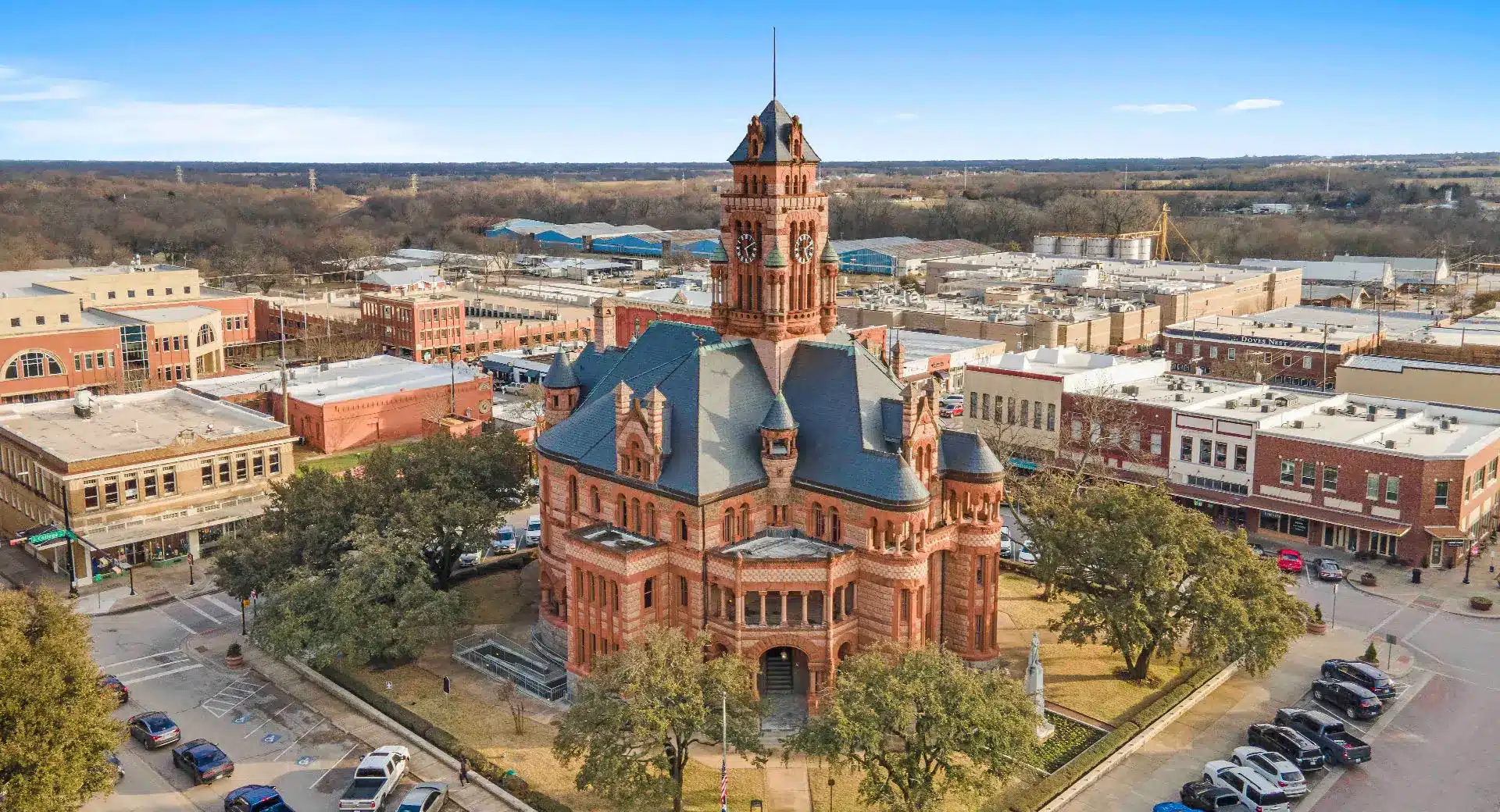
Let me get hyperlocal for a minute, because this is where North Texas Market Insider earns its name.
Waxahachie is experiencing a scale of development that most people outside of Ellis County don’t fully appreciate yet. A recently approved 3,170-acre community is bringing approximately 13,270 homes and nearly 34,000 new residents to the area, the largest residential project in the city’s history. I cover the details of this 13,000-home Waxahachie development and what it means for values in depth, and the implications are significant.
Add South Creek Ranch outside Ferris, other master-planned developments along I-35E, and the broader corridor expansion between Dallas and Waco, and you have a region where long-term housing demand is structurally supported even during short-term national turbulence.
That doesn’t mean every property in Ellis County is bulletproof. Older homes that don’t adjust their pricing or presentation will feel the headwinds from new construction competition. Buyers now have options they didn’t have two years ago and they know it.
But it does mean that the “North Texas housing is broken” narrative misses the larger picture. My in-depth Waxahachie guide explains why families and professionals keep choosing this market. Jobs, schools, infrastructure, commercial development, and quality of life – these are the forces that determine long-term value, and Ellis County has all of them moving in the right direction.
My broader North Texas relocation hub exists because demand here isn’t just local. It’s coming from California, Colorado, Washington, and Utah. From families and professionals who’ve done the math on what their money buys in Texas compared to where they’re coming from and understood the value Texas has to offer.
Rates, Geopolitics, and Why Everything Feels Unstable Right Now

The question I hear most from buyers and sellers right now: “Are mortgage rates going to drop, or is this just the new normal?”
The honest answer is that nobody knows for certain and anyone who tells you they do is selling something.
What I do know is that international events are creating volatility in bond markets that directly affects mortgage pricing in ways most consumers don’t see coming. In my article The Iran War and Its Devastating Impact on the Housing Market, I unpack exactly how geopolitical shocks can spike mortgage rates overnight, chilling demand just as the market starts to find its footing.
On the flip side, when rates do drop, the move can be fast and the window can be narrow. In My article: Mortgage Rates Just Dropped to the 5’s — How To Take Advantage, I explain why short-term rate drops are real but not always permanent and why waiting for the “perfect” rate has a consistent track record of backfiring on buyers who time themselves right out of a great opportunity.
Here’s what I want North Texas homeowners and buyers to understand: rates are volatile. Headlines are volatile. But the underlying housing demand in DFW and its suburbs remains structurally strong because of job growth, inbound migration, and pro-growth state policy. My breakdown of 40+ new Texas Laws shows how Texas policy continues to attract thousands of new residents every year.
If you’re trying to time the market purely based on rate headlines, you risk missing specific windows in your specific neighborhood where demand could be peaking all while national averages are flashing yellow.
Is 2026 a Good Time To Sell Your North Texas Home?
This is the question I’m asked more than any other right now. Here’s my honest read.
For many North Texas homeowners, 2026 offers a narrow but real combination of advantages: historically high equity, still-solid buyer demand in key submarkets, and growing inventory that hasn’t yet fully tipped the scales in favor of buyers.
Here are the situations where selling in 2026 likely makes strategic sense:
You purchased before 2020 or early in the pandemic and are sitting on significant equity you’d like to lock in before any further softening. That equity is real today. It may be less real in 18 months if conditions shift unfavorably.
You own a starter or move-up home in a high-demand south DFW suburb like Waxahachie, Midlothian, Red Oak or Mansfield where family-oriented buyers remain active even as inventory climbs.
You’re relocating within North Texas, moving from an inner-ring DFW suburb into Ellis or Johnson County to access lower price points and more land. My North Texas relocation hub explains the trade-offs between different counties and corridors in detail.
On the other hand, if you locked in a mortgage below 3% and plan to stay at least seven to ten more years, the math gets more complicated. In those cases, we might look at a hold-and-rent strategy, house-hacking options, or targeted improvements that position your home to compete with new construction when you’re genuinely ready to move.
The right answer isn’t a national headline. It’s your specific property, your specific equity position and your specific goals analyzed against your specific neighborhood data.
Should You Sell Now and Rent Until Prices Drop?

With renting currently $920 per month cheaper than buying in the 50 largest metros on average, per Realtor.com’s data, the intuitive appeal is obvious.
But let me be direct: “wait until prices drop” is not a strategy. It’s a hope.
In growth markets like DFW and Ellis County, long-term appreciation is supported by demographic and economic fundamentals that don’t care what the Fed does in any given quarter. The relocation pressure from California and other high-cost states doesn’t reverse because mortgage rates tick up. The policy environment that’s been drawing residents to Texas for years doesn’t vanish because of one bad month of data.
That said, a sell-and-rent move can absolutely be the right call in specific situations:
- You expect to relocate within 12 to 24 months and want maximum flexibility without short-term price-swing risk.
- You’re downsizing and want to deploy your equity while waiting for the right lock-and-leave property or new build to become available.
- You’re exiting a property that needs substantial work, and you’d rather invest capital into your next home than into one you no longer want.
The key is building a real model with real numbers including; rent costs, avoided maintenance, transaction costs, potential appreciation missed and tax implications, rather than making a quarter-million-dollar decision based on a national average.
That’s exactly the analysis I build for North Texas Market Insider clients when they ask this question.
The Ten Questions North Texas Buyers and Sellers Are Actually Asking Right Now

I hear these every week from clients, prospects, and people who find me through the website. Let me answer them directly.
Why are housing prices so high right now in North Texas?
Years of under-building, rapid population growth, and historically low pandemic-era rates pushed demand far ahead of supply. Even as inventory increases, many markets, including parts of North Texas, are still recalibrating from that imbalance.
Will home prices crash in 2026?
Most current data points toward cooling or flattening in many areas but not a 2008-style collapse, especially in job-strong markets like DFW. USAFacts’ long-term analysis of home prices vs. wages supports downward adjustment, not collapse. So does the data I track locally.
Is 2026 a good time to sell my house in North Texas?
For many homeowners with substantial equity in high-demand south DFW suburbs, yes. The combination of current prices, active buyer demand, and rising inventory makes this a window worth evaluating seriously. The right answer depends on your specific property and timeline, which is what we work through in a consultation.
Why are there more home sellers than buyers right now?
Pent-up listing activity, new construction deliveries, and homeowners capitalizing on recent appreciation are all surging at the same time that affordability constraints are holding some buyers back. Real Estate News’ breakdown of the 630,000-seller gap explains these dynamics clearly.
Is renting really cheaper than buying in 2026?
In the 50 largest U.S. metros, yes. Renters are saving roughly $920 per month on average compared to buyers in those areas. Realtor.com’s March 2026 report confirms this. But that gap is closing, and local numbers can vary significantly from the national average.
Should I wait for mortgage rates to drop before buying?
Waiting has a real cost: lower rates typically attract more competition, which can push prices up and erase the savings. My analysis of mortgage rates dipping below 6% shows how trying to time the bottom often leads to missed windows.
How do the NAR settlements affect real estate commissions in Texas?
They reinforce what was already law: commissions are negotiable, must be disclosed clearly, and cannot be fixed or misrepresented. The U.S. DOJ provides consumer-facing guidance on these standards. In practice, expect clearer written agreements that spell out exactly what you’re paying and what you’re receiving.
Is North Texas still a good place to invest in real estate?
Yes but with realistic expectations and a medium-to-long time horizon. Ongoing population growth, business relocation, and structural development projects like the 13,000-home Waxahachie development and pro-resident Texas policy support long-term demand even during short-term headwinds.
I’m relocating to Texas, where do I start?
Start with education. Compare cost of living, taxes, commute options, schools, and housing types across different DFW submarkets. My North Texas relocation hub, California relocation guide, and international relocation resources are built specifically for that process.
How do I know if a real estate agent is actually trustworthy?
Look for transparent compensation disclosure, a clear explanation of fiduciary duties, adherence to the NAR Code of Ethics and TREC licensing standards, and a track record of data-backed educational content, not just promotional posts. On North Texas Market Insider, you can see how I put those principles into practice through market reports, relocation guides, and client testimonials.
The Bottom Line: What Smart North Texas Homeowners Do Right Now

Here’s what I’d tell you face to face, the same thing I tell every client who comes to me with these questions:
The viral posts aren’t wrong to say something feels broken about housing. They’re just too broad to tell you what to do with your specific home, your specific mortgage, and your specific goals.
Whether you’re in Waxahachie, Midlothian, Red Oak, Mansfield, or anywhere along the south DFW corridor, your best move in 2026 depends on a combination of macro data, neighborhood trends, and personal timing that cannot be reduced to a national chart.
Here’s what I know about this market right now for sellers:
Pricing precision matters more than it has in years. With more sellers than buyers and rising inventory, overpricing pushes serious buyers straight to better-valued alternatives, including brand-new construction that can be had with builder incentives.
Condition and presentation are non-negotiable. In a market where renting temporarily undercuts buying on monthly cost, buyers expect a home to feel worth the premium the moment they walk in. Staging, repairs, and professional photography aren’t optional extras anymore.
Timing is hyper-local. Spring and early summer are historically strong listing windows in North Texas, but school calendars, corporate relocation cycles, and new subdivision release dates can shift neighborhood-level timing by weeks.
Transparency builds trust. Buyers and their agents are scrutinizing disclosures, inspection readiness, and total cost of ownership including; HOA fees, property taxes and utility histories much more carefully than they were two years ago.
For buyers and renters, the current environment can feel discouraging. But it’s also loaded with opportunity for people who approach it strategically. Seller concessions are more common than they’ve been in years. Down-payment assistance programs are available for qualified buyers who aren’t aware of them. And in North Texas submarkets with structural demand support, buying a well-selected property remains a powerful long-term wealth-building move.
Ready to get into your specific numbers? Start here: Schedule A Consultation
Bobby Franklin, REALTOR® | Legacy Realty Group – Leslie Majors Team | 214-228-0003 | northtexasmarketinsider.com
This article is for educational purposes only and does not constitute legal, tax, or financial advice. All content complies with the Fair Housing Act, RESPA, federal antitrust regulations, and current NAR settlement guidelines. Bobby Franklin, License #0805459, Legacy Realty Group – Leslie Majors Team.