

Here’s what most agents won’t tell you about buying land in North Texas: the listing price is just the opening ante in a much bigger game.

While competitors are pushing cookie-cutter suburban homes, I’m tracking something far more interesting, the strategic land acquisitions happening across Ellis County and the DFW metroplex that signal where wealth is being built right now.
Let me break down exactly how land financing works in Texas, not the sanitized textbook version, but the real intel you need to make strategic decisions while your competition is still Googling “how to buy land.”
Why Land Financing Demands a Different Playbook
Traditional mortgages are commodities. Any agent with a pulse can help you get approved for a house loan. Land financing is where strategy separates the players from the spectators.
Here’s the reality: banks view vacant land the same way venture capitalists view early-stage startups, high risk, high potential, requiring specialized knowledge. The FDIC’s minimum requirements reflect this: 35% down payments for raw land aren’t arbitrary bureaucracy. They’re risk mitigation for an asset that generates zero cash flow and could sit undeveloped indefinitely.
But here’s where it gets interesting. While most buyers see these requirements as barriers, strategic investors see them as filters that eliminate competition. When you understand the full spectrum of financing options, from traditional banks to creative seller financing to specialized Texas programs, you’re playing a completely different game.
The Strategic Land Classification Framework
Every piece of Texas dirt falls into one of three categories, and understanding these classifications is like having the cheat codes to real estate financing:
Raw Land: The Frontier Investment

Raw land means absolutely nothing exists, no utilities, no road access, just dirt and opportunity. Think of those expansive parcels along Highway 77 south of Waxahachie where you can still see the future taking shape.
The Numbers That Matter:
- Minimum 35% down payment (FDIC requirement)
- Credit scores 700+ typically required
- Interest rates currently 7.5-9% in the Texas market
- Terms usually capped at 15 years maximum
Why the tough terms? Because you’re asking a lender to bet six figures on unproven potential. But here’s the opportunity: raw land in growth corridors like Ellis County has historically delivered returns that make stock market gains look pedestrian when you time the development cycle correctly.
Unimproved Land: The Value-Add Play
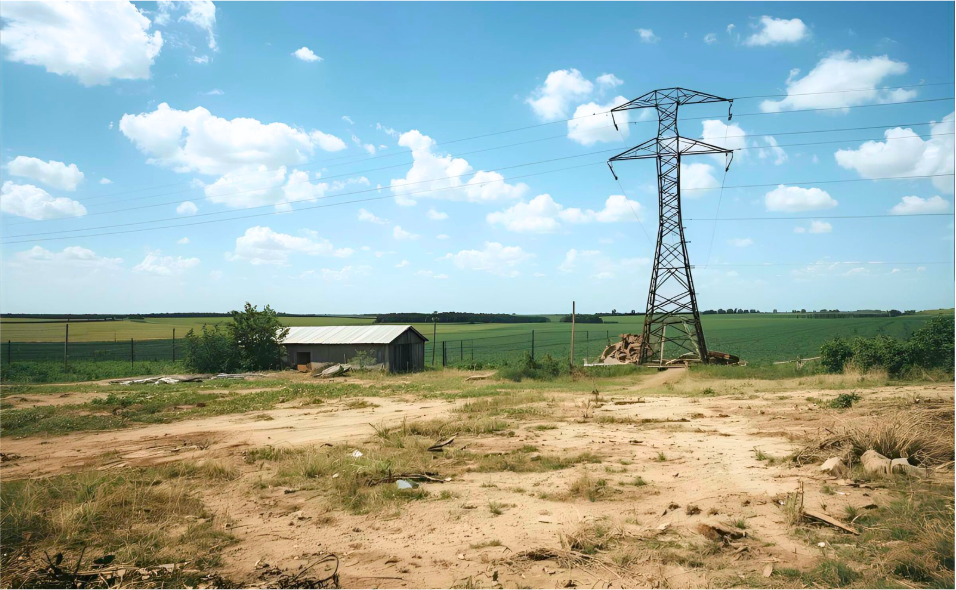
Unimproved parcels have bones, outdated infrastructure that needs rehabilitation. Maybe there’s an old septic system or electrical lines from the 1970s that need replacement. These properties represent classic value-add opportunities.
Strategic Positioning:
- Down payments start at 25%
- Credit requirements around 680+
- Interest rates 6.5-8% range
- Terms up to 20 years with the right lender
This is where sophisticated investors find their edge. While amateurs avoid properties needing work, strategic buyers see the arbitrage between current condition and improved value. You’re not just buying land, you’re buying the rights to future appreciation at a discount.
Improved Land: The Accelerated Path
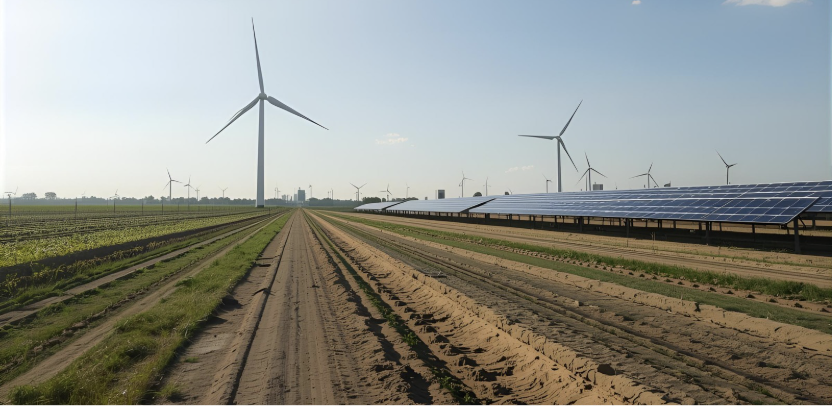
Improved lots come with utilities, road frontage, and infrastructure already in place. These are the “shovel-ready” opportunities where you can fast-track development timelines.
The Advantage Structure:
- Down payments as low as 15%
- Credit scores 660+ often sufficient
- Best interest rates: 6-7.5% currently
- Terms up to 30 years available
Properties in established developments like those near Red Oak or Midlothian typically fall into this category. You’re paying a premium for convenience and reduced risk, but the financing advantages can offset much of that cost.
The Complete Arsenal: Every Financing Weapon in Your Strategic Toolkit

Traditional Bank Land Loans: The Conservative Baseline
Local Texas institutions like Extraco Banks and regional credit unions understand land transactions better than national chains. They’re also more likely to consider local market knowledge when underwriting deals.
Current Texas Market Rates (December 2025):
- Improved land: 6.5-7.5%
- Unimproved land: 7-8%
- Raw land: 7.5-9%
Pro Strategy: Establish banking relationships before you need them. When I’m tracking major development projects breaking ground, I’m simultaneously monitoring which local lenders are aggressively writing land loans. That intelligence matters when you’re ready to move fast on opportunity.
Owner Financing: The Strategic Flexibility Option
This is where conventional thinking fails most buyers. Owner financing isn’t a last resort, it’s often the smartest strategic option for both parties.
Here’s why it works: Sellers holding free-and-clear land often prefer predictable monthly income to a lump-sum taxable event. Meanwhile, buyers gain access to flexible terms traditional lenders can’t match.
Typical Structure:
- Down payment: 5-10% (negotiable)
- Interest rates: 8-10% (higher than banks but…)
- Terms: 5-10 years with balloon payment
- No credit checks or income verification standard
The Franklin Move: When I see land priced 10-15% above comparable sales but offered with owner financing, I’m analyzing the total cost of capital versus the strategic timing advantage. Sometimes paying slightly more with better terms beats getting the “best price” with rigid conventional financing.
Texas Veterans Land Board: The Unbeatable Advantage
If you’re a Texas veteran, the VLB land loan program is the most powerful financing tool in your arsenal, and almost nobody uses it strategically.
The Numbers Are Absurd:
- Loans up to $150,000 (or $225,000 for surviving spouses)
- Only 5% down payment required
- Fixed rates at 7.25% (current)
- 30-year terms
- Must be at least 1 acre, entirely in Texas
Do the math: You could finance $142,500 of a land purchase with $7,500 down. That capital efficiency is unmatched anywhere in the conventional lending world.
Strategic Application: I’m seeing smart veterans use VLB loans to secure land in appreciation corridors, then using conventional construction loans to build once infrastructure develops. It’s a two-stage strategy that maximizes leverage and timing.
USDA Construction Loans: The Zero-Down Rural Play
The USDA’s rural development program offers something almost mythical: 100% financing for land + construction in designated rural areas.
Requirements:
- Minimum 640 credit score
- Debt-to-income below 41%
- Property must be primary residence
- Location must qualify under USDA rural designation
Market Intelligence: Parts of Ellis County still qualify as “rural” under USDA definitions despite being 30-40 minutes from downtown Dallas. That designation won’t last forever as development pressure increases. The strategic window is now.
FHA Construction-to-Permanent: The Low-Down Alternative

FHA construction loans allow down payments as low as 3.5% with credit scores of 580+, revolutionary for first-time builders.
The Structure:
- Single loan covers land + construction
- Converts to permanent mortgage at completion
- Must be primary residence
- Requires FHA-approved builder
Strategic Consideration: FHA loans include mortgage insurance premiums that add to total cost. Run the math comparing 3.5% down + PMI versus conventional 15% down without PMI. Sometimes the “better deal” costs more over the loan life.
Home Equity Lines: The Capital Recycling Strategy
If you own property with substantial equity, a HELOC can finance land purchases at potentially lower rates than personal loans.
Strategic Framework:
- Variable rates currently 7-9%
- Borrow only what you need, when you need it
- Interest-only payments during draw period
- 10-20 year terms typical
Risk Management: You’re using your primary residence as collateral. This strategy makes sense for experienced investors with clear exit plans and cash reserves, not for speculative first-time land buyers.
The Hidden Cost Reality: What the Listing Price Doesn’t Tell You

Every land listing tells you the price per acre. Almost none tell you the total cost to make that land usable. This is where strategic advantage lives.
The Real Closing Cost Structure
Budget 3-5% of purchase price for closing in Texas. On a $200,000 land purchase, that’s $6,000-$10,000 before you own anything.
What You’re Actually Paying For:
- Title insurance and search
- Loan origination fees (typically 1-2% of loan amount)
- Appraisal costs ($500-$1,500 for land)
- Recording fees and transfer taxes
- Legal review (strongly recommended)
Professional Survey Costs: Non-Negotiable Intelligence
Never, and I mean never, buy land without a current professional survey. The $300-$4,200 you spend on survey work is the cheapest insurance you’ll ever buy.
Texas Survey Cost Framework:
- Standard residential lot: $300-$700
- 5-10 acres: $800-$1,500
- 10-25 acres: $1,100-$4,200
- 25+ acres: $5,500-$12,000+
Strategic Intel: When I see a seller claiming “survey available,” I verify both accuracy and currency. Boundaries shift, easements get recorded, improvements get added. A 5-year-old survey on actively developing land is essentially worthless for making informed decisions.
Percolation Testing: The $1,500 Question That Could Save $50,000
If your land isn’t connected to municipal sewer, you need septic, and septic needs soil that percolates properly. A perc test determines this, costing $600-$1,900 depending on acreage.
The Strategic Reality: Failed perc tests can reduce land value by 30-50% overnight. I’ve seen buyers walk away from “deals” that would have cost them six figures in alternative septic system engineering. Spend the $1,500 before you’re under contract.
Environmental Testing: Due Diligence That Pays for Itself
Contamination assessment, soil quality analysis, and environmental screening cost $500-$2,500 depending on scope. For land that was previously industrial, agricultural with heavy chemical use, or near potential contamination sources, this is mandatory.
Market Intelligence: I’m tracking several parcels in southern Ellis County where previous agricultural use included now-banned pesticides. The cleanup costs would bankrupt most individual buyers. Smart investors know to test before they’re emotionally committed.
The Infrastructure Cost Reality Matrix

This is where casual land buyers get destroyed financially. You thought the land was the expense? The land is just the down payment on the real costs.
| Infrastructure Element | Conservative Estimate | Realistic Mid-Range | Worst-Case Scenario |
|---|---|---|---|
| Electrical Connection | $2,500 | $7,500 | $12,500+ |
| Water Well Installation | $5,000 | $10,000 | $15,000+ |
| Septic System Design/Install | $6,000 | $13,000 | $20,000+ |
| Road/Driveway (1,000 ft) | $5,000 | $15,000 | $30,000+ |
| Natural Gas Connection | $500 | $2,000 | $3,500+ |
| Total Infrastructure | $19,000 | $47,500 | $81,000+ |
Strategic Framework: Properties more than 300 feet from existing utilities start requiring serious infrastructure investment. Raw land 1,000+ feet from the nearest power line? You’re looking at potential $15,000+ just for electrical access. Factor these costs into your maximum land purchase price, or watch your equity evaporate before construction even begins.
Due Diligence: The “Five Steps Ahead” Checklist
Casual buyers look at land and see space. Strategic investors see systems, regulations, access rights, and opportunity constraints. Here’s the intelligence-gathering framework that separates the two:
Zoning Intelligence: Know the Rules Before Everyone Else
Texas zoning happens at the local municipal level, meaning two parcels five miles apart can have completely different regulatory frameworks. Call the county planning office. Request:
- Current zoning designation documents
- Comprehensive plan maps showing future land use
- Recent zoning variance applications in the area
- Upcoming hearings that could affect your parcel
Strategic Application: I’m watching properties in Red Oak’s extraterritorial jurisdiction where zoning will change as the city expands. Buying now under current agricultural designation, before reclassification increases prices, is the arbitrage opportunity.
Access Rights: The Non-Negotiable Foundation
Legal access to public roads is not the same as physical access. You need deeded access or public road frontage. Handshake agreements with neighbors are worthless when properties change hands.
Due Diligence Protocol:
- Verify recorded easements in county records
- Measure road frontage personally
- Document surface conditions (paved, gravel, maintained dirt)
- Identify maintenance responsibilities
I’ve seen properties landlocked by poorly drafted easements. The “deal” looks great until you realize you need permission from three different property owners to reach your own land. That’s not ownership—that’s a lawsuit waiting to happen.
Title Search Depth: Finding What Sellers Don’t Mention
Spend the money for comprehensive title examination going back at least 30 years. You’re looking for:
- Outstanding liens or judgments
- Unpaid property taxes
- Mineral rights reservations
- Undisclosed easements
- Boundary disputes in property history
Pro Strategy: In Texas, mineral rights are frequently severed from surface rights. Properties may look clean until you discover someone else owns everything below 500 feet. For most residential buyers, this doesn’t matter—but know what you’re buying.
Physical Inspection Intelligence: What You Can’t See From the Road

Walk the entire property in different weather conditions. Bring:
- County topographic maps
- FEMA flood zone maps
- Compass and GPS for boundary verification
- Camera for comprehensive documentation
Strategic Observation Checklist:
- Low areas that show water pooling or drainage patterns
- Soil composition changes (sand, clay, rock)
- Existing fencing and its condition
- Evidence of prior structures or use
- Tree coverage and vegetation health
- Power line proximity and condition
Market Intelligence: I physically inspected five different Ellis County parcels advertised as “buildable” last quarter. Three had significant drainage issues that would require $20,000+ in land prep before construction. The sellers weren’t lying—they just weren’t volunteering information that would reduce their sales price.
The Strategic Budget Framework: Calculating Your Real Maximum

Most buyers approach land budgeting backwards. They see a price, get emotional, then figure out how to make the numbers work. Strategic investors work from cash flow capacity backwards to maximum price.
The 25-30% Monthly Income Rule
Your land payment (principal + interest + taxes + insurance) shouldn’t exceed 25-30% of gross monthly income. On $8,000 monthly income, that’s $2,000-$2,400 maximum.
Using current rates around 7.5% on a 15-year land loan:
- $2,000/month = ~$215,000 total borrowing capacity
- $2,400/month = ~$260,000 total borrowing capacity
But that’s total capacity—not your maximum land price. Subtract infrastructure costs, carrying costs during development, and contingency reserves to determine what you should actually pay for dirt.
The Development Cost Working-Backward Strategy
Professional developers don’t buy land then figure out what it costs to develop. They know the end value and work backward to determine land price.
Strategic Formula:
Target Finished Value - Construction Costs - Infrastructure - Soft Costs - Profit Margin = Maximum Land PriceExample Application:
- Target home value: $450,000
- Construction costs: $220,000
- Infrastructure: $50,000
- Soft costs (permits, design, etc.): $30,000
- Minimum profit margin: $50,000
- Maximum land investment: $100,000
If the land you want costs $150,000, either the finished value needs to be higher or you’re overpaying by $50,000. The math doesn’t care about your emotions.
Contingency Fund Reality: The 15-20% Rule
Budget 15-20% above your estimated total costs for surprises. Because there will be surprises.
Rock beneath the topsoil requiring expensive drilling? Surprise.
Zoning variance needed that wasn’t disclosed? Surprise.
Septic system requiring engineered design instead of conventional? Surprise.
Strategic Protection: I maintain relationships with excavation contractors, well drillers, and septic installers throughout Ellis County. Before clients make offers, I get ballpark estimates on infrastructure work. That intel is worth thousands in avoided mistakes.
The Essential Questions That Separate Strategic Buyers From Victims

Before you write an offer, get answers to these questions in writing:
- What’s the flood zone designation, and has the property ever flooded?
- Which utilities are available at the property line, and what are documented connection costs?
- Has perc testing been completed? Can I see results? Are they still valid?
- What deed restrictions, HOA rules, or protective covenants exist?
- Who owns mineral rights, water rights, and timber rights?
- What was the property’s previous use for the last 30 years?
- Are there recorded easements, and what are their terms?
- What’s the current zoning classification, and what variance history exists?
- What are property taxes currently, and what was the last appraisal increase?
- How deep are wells typically in this area, and what’s the average cost?
Sellers who get defensive about questions are waving red flags. Sophisticated investors welcome due diligence because they know it makes deals stronger. Amateurs hide information and hope buyers don’t ask.
Timeline Intelligence: When You’ll Actually Close
Understanding realistic timelines prevents deal-killing surprises:
- Conventional land loans: 30-45 days minimum
- USDA construction loans: 45-60 days (government review required)
- FHA construction loans: 45-60 days
- Texas VLB loans: 60-90 days (government program)
- Owner financing: 7-21 days (no underwriting delays)
Strategic Application: When I’m tracking competitive situations, multiple buyers interested in the same strategic parcel, cash or owner-financed offers with fast closings beat higher-priced conventional offers that take 45+ days. Sellers value certainty and speed more than most buyers realize.
North Texas Land Market Intelligence: December 2025
Here’s what the data actually shows for strategic Ellis County and DFW investors:
Statewide Context:
- Texas median land price: $4,702 per acre (mid-2024)
- Five-year compound annual growth rate: 11.24% through Q2 2025
- Agricultural land records: Cropland $2,710/acre, Pastureland $2,300/acre
Ellis County Specific Intelligence:
- Properties within 10 miles of the The South Creek Ranch development showing 8-12% appreciation annually
- Raw land with future utility access corridors trading at 15-20% premiums to comparable parcels without infrastructure plans
- Improved lots in established developments holding value better than raw acreage during rate increases
Strategic Positioning: The Ellis County land market is bifurcating. Properties in established growth corridors with infrastructure continue appreciating despite higher rates. Meanwhile, remote raw land without development catalysts is seeing price pressure. Know which game you’re playing.
The Strategic Pre-Closing Checklist

Before you wire funds, verify every single item on this checklist:
- [ ] Financing confirmed with loan approval in hand (or cash verified)
- [ ] Professional survey completed and boundary markers physically located
- [ ] Title search performed with title insurance commitment issued
- [ ] Zoning verification obtained in writing from county/city
- [ ] Perc test completed and approved (if applicable)
- [ ] Legal access confirmed with recorded easement or public road frontage
- [ ] All easements reviewed with legal counsel if complex
- [ ] Utility connection costs estimated in writing from providers
- [ ] Property tax records reviewed for 5+ year history
- [ ] Physical inspection completed in multiple site visits
- [ ] Environmental assessment performed (if risk factors present)
- [ ] Insurance availability confirmed and quoted
Skip even one item? You’re gambling with what’s likely your largest investment. Strategic investors don’t gamble, they gather intelligence and eliminate uncertainty.
Why This Intelligence Matters Right Now
The North Texas land market is at an inflection point. As I track developments and infrastructure investments throughout Ellis County, I’m seeing sophisticated institutional buyers positioning for the next 3-5 year appreciation cycle.
Meanwhile, most individual buyers are sitting on the sidelines waiting for “better rates” or “lower prices”, missing the fundamental truth that strategic land acquisition is about position, not price.
The best land doesn’t get cheaper when rates rise. It just changes hands to buyers who understand leverage, timing, and the long-term wealth-building power of correctly positioned dirt.
Working With a Strategic Partner

Look, you can navigate land financing alone. People do it every day. Some even avoid costly mistakes.
But here’s what working with an agent who actually understands land financing and market intelligence gets you:
- Pre-vetted lender relationships that offer competitive terms without shopping your application to 10 banks
- Market intelligence on comparable sales that haven’t hit public MLS systems yet
- Infrastructure cost estimates from my network of contractors and utility contacts
- Due diligence coordination that prevents deal-killing surprises
- Negotiation leverage from understanding sellers’ actual motivations
I’m not trying to “sell” you on land. I’m here to help you avoid the six-figure mistakes I’ve seen others make and position you in the North Texas growth corridors where strategic land ownership builds generational wealth.
Bobby Franklin, REALTOR®
Legacy Realty Group – Leslie Majors Team
214-228-0003
northtexasmarketinsider.com
📊 Get market moves before they hit the news
🎯 Text for weekly Ellis County land intelligence
This analysis provides strategic market intelligence and general information about land financing options. Individual circumstances vary significantly. Consult qualified real estate, legal, and financial professionals before making land purchase decisions. All market data current as of December 2025 and subject to change.