
Your weekly North Texas market intelligence briefing
While most people are scrolling past celebrity news, there’s a property tax revolution happening that could fundamentally change how we think about homeownership in Texas, and if you own property in North Texas, you need to understand what’s coming.
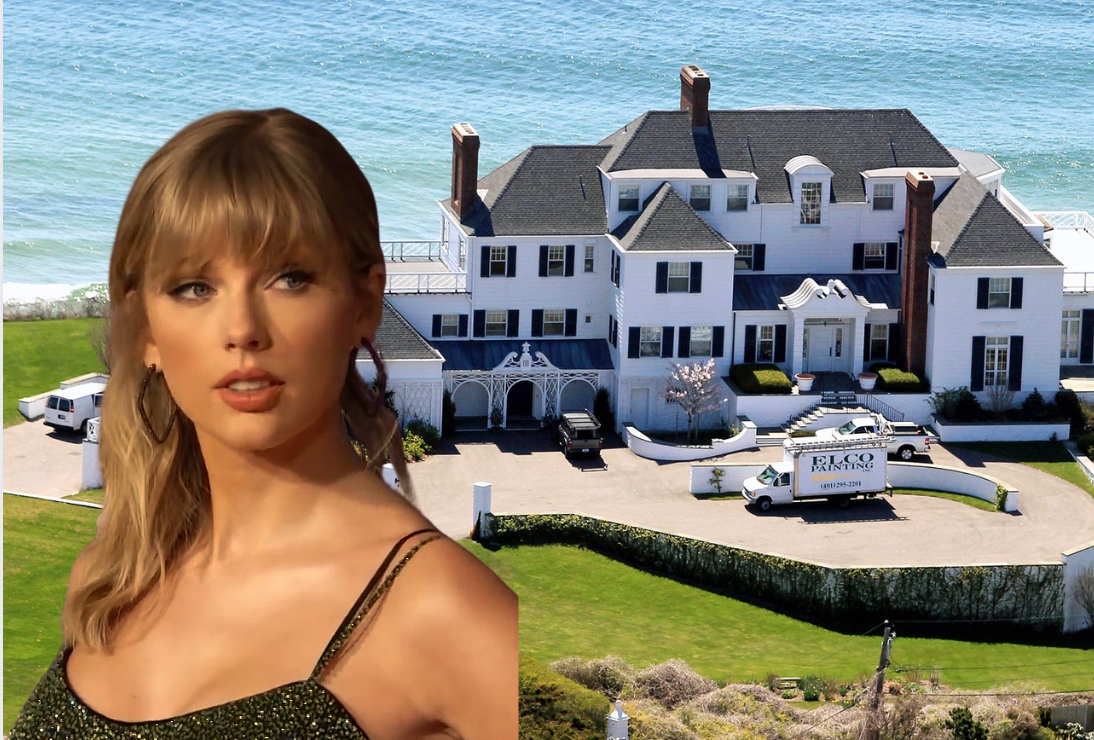
Taylor Swift’s $17 million Rhode Island mansion just became ground zero for a luxury property tax movement that’s spreading across America. And if you think this is just some celebrity tax story that doesn’t affect you? Think again.
The Taylor Swift Tax: What It Is and Why It Matters to You

Rhode Island’s new Non-Owner Occupied Property Tax Act—nicknamed the “Taylor Swift Tax”—targets luxury second homes valued over $1 million. Starting July 2026, properties sitting empty more than half the year face an additional $2.50 tax per $500 of value above the first million.
For Swift’s $28 million Watch Hill estate, that’s $136,000 in additional annual taxes, bringing her total property tax bill to roughly $337,442.(Taylor Swift Tax)
But here’s what matters to you: This isn’t about one celebrity’s vacation home. This is about states discovering a politically popular revenue source that targets wealthy property owners while promising tax relief for everyone else. It’s spreading fast, and Texas could be next.
Why North Texas Homeowners Should Pay Attention
The Trend Is Accelerating Nationwide
Montana has implemented two-tier property tax systems. Cape Cod is evaluating transfer fees on luxury sales. Los Angeles has imposed a mansion tax generating hundreds of millions. Rhode Island is just the latest.(Mansion Tax, Montana 2 Tier Tax, Cape Cod Tax)
This matters to you because:
- Texas faces budget pressures that make luxury property taxes attractive to legislators
- We already have some of the highest property taxes in the nation and no state income tax to balance it
- Your property value could be affected even if you’re not in the luxury market
- Understanding these trends helps you make smarter decisions about buying, selling, or improving your home
How This Could Impact Your Property Value
Even if you don’t own a mansion, luxury property tax policies create ripple effects throughout entire markets:
- Higher taxes on luxury homes can suppress top-tier property values
- When luxury values decline, it affects comparable sales throughout the market
- Wealthy buyers may avoid markets with aggressive taxation
- Local economies dependent on high-end real estate transactions can suffer
- (Luxury Tax Implications)
The North Texas Property Tax Reality

Let’s talk about where we actually stand:
Current Texas Property Tax Facts:
- North Texas has some of the nation’s highest property tax rates (Dallas County averages 2.6% annually)
- The typical DFW homeowner paid $6,100 in property taxes in 2022
- Texas has no state income tax, property taxes fund schools, roads, and essential services
- Property values continue climbing due to population growth and corporate relocations
- The state currently caps homestead appraisal increases at 10% annually
- Recent legislation raised homestead exemptions to $140,000
What this means: Texas relies heavily on property taxes for revenue. As budget pressures increase and luxury property taxation becomes more politically acceptable nationwide, our state could follow the trend.(Texas Property Tax Basics)
Which North Texas Areas Could Be Most Affected?
If Texas were to implement luxury property taxation similar to Rhode Island’s model, certain areas would feel the impact first:
High-Value Concentrations:
- University Park and Highland Park
- Westlake and Southlake
- Frisco luxury developments
- Prosper and Celina estate properties
- High-end second homes and investment properties throughout DFW
These communities have attracted significant wealth from corporate relocations and out-of-state buyers, making them potential targets for luxury property taxation policies.
Questions Every Homeowner Should Be Considering
Whether you own a luxury property or a modest family home, understanding potential tax policy changes helps you make smarter real estate decisions:
For All Homeowners:
- How might luxury property taxation affect overall market values in my area?
- Should I accelerate planned improvements before potential policy changes?
- Am I taking full advantage of current homestead exemptions?
- How can I protect my property tax assessment?
- What’s the long-term tax outlook for my neighborhood?
For High-Value Property Owners:
- Is my property properly documented as my primary residence?
- Should I consult with a property tax specialist now?
- What ownership structures might minimize future tax exposure?
- How would Texas luxury taxation affect my property’s resale value?
- Should I consider diversifying my real estate holdings geographically?
Don’t wait until policies change to start thinking about these questions.
Federal Tax Changes Adding to the Complexity
The 2025 “One Big Beautiful Bill” includes several provisions affecting homeowners:
- SALT deduction cap increases to $40,000 (for households earning under $500,000)
- Mortgage interest deduction made permanent
- Energy tax credits eliminated after 2025
These federal changes interact with potential state and local tax policies in complex ways. Homeowners need to understand how multiple layers of taxation and deductions affect their overall financial picture.
How to Protect Yourself and Your Investment
While Texas hasn’t announced plans for luxury property taxation, smart homeowners can take action now:
Immediate Steps
Review Your Property Assessment:
- Ensure your home is properly classified as your primary residence if applicable
- Check for assessment errors that could be costing you money
- Understand your appeal rights if you believe your assessment is too high
Visit the TX Comptroller Website to learn more and take action: Texas Tax Exemptions
Optimize Your Tax Position:
- Maximize homestead exemptions
- Document all property improvements
- Keep records of comparable sales in your area
- Consider consulting with a property tax specialist
Long-Term Planning
Stay Informed:
- Monitor Texas legislative activity around property taxation
- Track luxury property tax developments in other states
- Understand how policy changes might affect your specific situation
- Follow local real estate market trends and policy discussions
Strategic Decision-Making:
- Factor potential tax changes into buying and selling decisions
- Consider timing of major home improvements
- Evaluate whether your current ownership structure is optimal
- Build relationships with tax professionals and real estate specialists
What’s Coming for Texas?
Several factors suggest Texas could eventually consider luxury property taxation:
Budget Pressures:
- Growing infrastructure needs
- Education funding challenges
- Healthcare system demands
- Population growth requiring expanded services
Political Climate:
- Luxury property taxes are politically popular with middle-class voters
- Federal precedents make state-level policies more acceptable
- Other red states have implemented similar measures
- Rising property values create revenue opportunities
However, Texas has strong traditions:
- Fierce property rights protections
- Business-friendly reputation
- Legislative resistance to new taxation
- Competitive pressure from other states
The outcome is uncertain, but the trend is clear: luxury property taxation is gaining momentum nationwide, and Texas homeowners need to stay informed.
The Bottom Line: Stay Ahead of Market Changes

The Taylor Swift Tax isn’t just celebrity gossip, it represents a fundamental shift in how states approach property taxation. Whether you own a luxury estate or a starter home in North Texas, understanding these trends helps you make smarter decisions about your most valuable asset.
Key Takeaways:
- Luxury property taxation is spreading across multiple states with bipartisan support
- Texas could be next due to budget pressures and political favorability
- All homeowners are affected by market-wide impacts, not just luxury owners
- Proactive planning protects your investment better than reactive responses
- Professional guidance matters when navigating complex tax policy changes
My Commitment to You:
I’m committed to keeping you informed about market developments that affect your home’s value and your financial wellbeing. That’s why I provide regular market intelligence updates covering everything from local developments to state and federal policy changes.
Whether you’re buying your first home, selling a luxury property, or just want to protect your current investment, understanding the bigger picture helps you make confident decisions.
Want to stay ahead of market changes? Text me at 214-228-0003 for weekly insider updates on North Texas real estate developments, policy changes, and market intelligence that affects your bottom line.
📊 Weekly North Texas luxury market intelligence
🎯 Text 214-228-0003 for insider tax strategy updates
Bobby Franklin – REALTOR®
Legacy Realty Group – Leslie Majors Team
Serving Ellis County & DFW