Why the smartest money in America is betting on southern Dallas County, and what it means for anyone thinking about buying property in the next 24. Continue reading
The Market Authority DFW Agents Follow


Why thousands of Arizona families are choosing Dallas-Fort Worth
and what you need to know before you join them.
Why Arizona Money is Flowing to North Texas
You’ve probably seen it happening already: friends, coworkers, even entire neighborhoods cashing out in Arizona and heading to Texas for a fresh start in North Texas. Arizona professionals, families, and retirees are discovering that North Texas offers the opportunity, lifestyle, and culture they want without the high housing costs, rising taxes, and growing congestion they’re trying to leave behind.
For many Arizona homeowners, the numbers are a game-changer. A house that might sell for top dollar in Phoenix or Scottsdale can often be traded for a newer, larger home in communities around Dallas–Fort Worth, often with a shorter commute and a lower overall cost of living. Instead of stretching to afford “good enough,” families are upgrading their square footage, schools, and lifestyle while keeping more money in their pockets each month.
This is strategic market insight designed for people who make life and investment decisions using data, not sales pitches. I analyze North Texas trends, track major developments before they hit the headlines, and translate that information into clear guidance so Arizona buyers can move with confidence, not guesswork.
What’s Driving the Arizona Exodus to DFW
Housing Affordability: Overall cost of living in Phoenix is about 5–7% lower than Dallas, but home prices in DFW are still far below many fast‑growing Western markets, giving you more options and new construction for your budget.
No State Income Tax: Arizona has a flat 2.5% state income tax, while Texas has none, which can save many families thousands of dollars per year depending on income level.
Job Market Boom: DFW is one of the country’s fastest‑growing job hubs, with major employers in tech, finance, aviation, healthcare, and logistics continuing to expand or relocate headquarters into the metro.
Quality of Life: DFW offers large master‑planned suburbs, strong school districts, shorter average commute times than many coastal metros, and a lower overall cost of living than other big job centers like Denver or Phoenix when you factor in housing and income tax.
Weather Trade: You’re used to dry heat; North Texas brings hot summers plus more humidity, but you gain real spring and fall seasons, greener landscapes, and plenty of pools, lakes, and indoor options to beat the heat.
Texas Culture: Expect friendly neighbors, Friday night lights, strong small‑business communities, and a welcoming culture for newcomers from all over the country.

If you’re relocating from Arizona, you’re not just buying a house, you’re making a strategic market entry. And that requires intelligence, not inspiration.
Arizona Buyer Types
The Heat Escapees – Families and professionals who’ve had enough of 115°F summers, rolling blackout warnings, and buckling kids into 150-degree car seats every day from May through October. They’re not just chasing cooler winters, they’re trading a shrinking water supply and grid-stress anxiety for Texas’s four mild seasons, green landscapes, and reliable infrastructure.
The Equity Upgraders – Homeowners sitting on Arizona’s 53% post-pandemic price surge, selling $430K–$500K homes in Scottsdale or Gilbert and landing 3,200 sq ft on a half-acre in communities like Waxahachie or Prosper for the same money, or less, while pocketing the difference for investments, renovations, or retirement savings.
The Education Prioritizers – Parents who are done fighting Arizona’s dead-last school rankings, 23:1 pupil-to-teacher ratios, and a state that spends less per student than almost every other state in the country. They’re moving to Texas districts like Carroll ISD, Prosper ISD, and Midlothian ISD where top-rated schools, modern facilities, and competitive teacher pay come standard, without a private school price tag.
The Business Builders – Entrepreneurs and small business owners currently paying Arizona’s 2.5% income tax and 4.9% corporate tax who realize Texas charges zero on both. That’s an immediate reinvestment opportunity, more capital for hiring, inventory, and expansion in a state with a $2 trillion economy, 52 Fortune 500 headquarters, and access to the Dallas–Fort Worth logistics corridor.
What Arizonans Need To Know Before They Move


The Intelligence You Need Before You Buy Here’s the thing about Texas property taxes that...
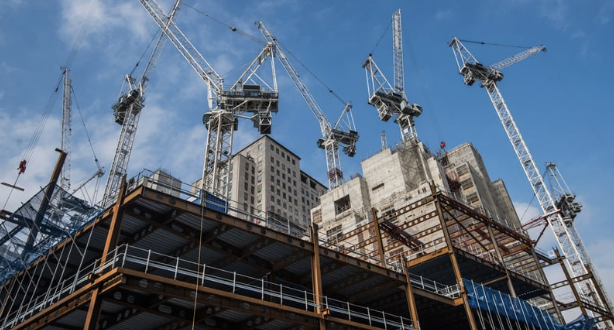
Dallas just claimed the #2 spot nationally for apartment construction with 28,958 units under...

20 Annual Festivals That Predict Property Value Growth The smart money isn’t just attending...
Where Arizona Families Are Landing
Most of my Arizona clients aren’t randomly picking a spot on the map, they’re looking for suburbs that feel like an upgrade to the lifestyle they already enjoy. Here are a few of the most common landing zones for Arizona families moving to the Dallas–Fort Worth area:
Prosper & Frisco – “Master-planned, Arizona-style suburbs”
If you like newer construction, master-planned communities, and high-performing schools, Prosper and Frisco feel familiar to families from Gilbert, Chandler, Queen Creek, and the East Valley. You’ll see HOA amenities, community events, youth sports, and strong resale demand, similar to what you’d find in Eastmark or Morrison Ranch, but usually at a lower price per square foot and with property tax being the trade-off for Arizona’s lower rates. The community energy and neighborhood programming are comparable; the biggest difference is swapping desert landscaping for green lawns and mature trees.
Plano & Allen – “Established, convenient, highly rated schools”
Plano and Allen appeal to families coming out of established Phoenix-area suburbs like Scottsdale, Chandler, and Ahwatukee who want mature neighborhoods, A-rated schools, and an easier commute to major job centers. Think tree-lined streets, good retail, and a wide range of price points without feeling “out in the sticks.” If you liked having everything within a 15-minute drive in the East Valley, Plano and Allen deliver that same convenience with a DFW twist.
Flower Mound & Southlake – “Top-tier schools and premium suburbs”
For buyers trading out of high-equity homes in Scottsdale, Paradise Valley, or Oro Valley, these suburbs offer large homes, strong school districts, and a polished, country-club-adjacent feel near DFW Airport. They attract move-up buyers who want space, amenities, and a strong long-term resale story. If you’re used to the upscale vibe of DC Ranch, Grayhawk, or North Scottsdale, Southlake and Flower Mound will feel like a natural transition, minus the desert views, plus rolling terrain and lakes.
McKinney, Melissa & North Collin County, “Room to grow”
If you’re looking for more land, a bit of a slower pace, and newer schools but still want access to major employers, the northern Collin County corridor (McKinney, Melissa, and surrounding areas) is worth a hard look. Many Arizona families, especially those coming from growing areas like Surprise, Peoria, Marana, or San Tan Valley, like the blend of small-town feel, planned communities, and continued growth potential. It has a similar “next frontier” energy to what Queen Creek and Buckeye had five to ten years ago, but with a greener landscape and four distinct seasons.
Rural corridors like Rio Vista, Blum & Whitney – “Acreage, horse property, and true country living”
For Arizonans leaving places like Wickenburg, the outskirts of Prescott, or rural Pinal County who want acreage, barns, or space for animals, the rural pockets south and southwest of DFW (including Rio Vista, Blum, and the Whitney Lake area) can be a great fit. You trade longer drives and fewer big-box conveniences for bigger skies, lower price per acre, and a quieter, lake-and-country lifestyle that still keeps you within reach of the Metroplex when you need it. If you’re used to well water, dirt roads, and wide-open space, this won’t feel like culture shock, just a wetter, greener version of it.
Urban Dallas neighborhoods – “City energy, Texas cost structure”
For Arizonans who want to stay urban, spots like Uptown, Downtown, and nearby intown neighborhoods offer walkability, nightlife, and condos/townhomes with shorter commutes. It’s a natural fit if you’re coming from Tempe, Old Town Scottsdale, or the Roosevelt Row corridor in Phoenix and don’t want to go fully suburban on day one. You’ll find a similar mix of restaurants, rooftop bars, and young-professional energy, just with more humidity and less desert sunsets.
If you tell me what part of Arizona you’re coming from (and what you like or don’t like about it), I can usually narrow this list down to 2–3 specific DFW or rural areas that match your lifestyle and budget very closely.
Best School Districts For Arizona Families
Based on ratings and Arizonan preference

Arizona families moving to DFW often cluster in FIVE distinct zones, each with its own education philosophy, price point, and lifestyle trade-offs.
Unlike other agents who push you toward their farm area, I want you in the RIGHT place, not just ANY place.
Learn More About Californians’ Favorite North Texas School Districts
—> The FIVE Strategic Zones (click to read)
Some buyers like to choose their homes based on particular values or lifestyle rather than a geographic region.
There are typically FOUR types of lifestyle that Arizonans are looking for when they come to Texas.
Tier 1: “We Want the Best Schools Money Can Buy” ($500K–$1.2M)
Best Choices: Coppell ISD, Grapevine‑Colleyville ISD, Lovejoy ISD, Carroll ISD (Southlake), Highland Park ISD. These are among the highest‑rated school districts in the DFW metroplex on recent Niche and TEA reports, with top test scores, graduation rates, and college‑readiness metrics.
You’re Getting: Academics that match or exceed top Phoenix suburbs such as Chandler, Gilbert, and Scottsdale, plus deep Advanced Placement, arts, and athletics options. Many of these districts sit in established communities with mature trees, strong youth sports, and quick commutes to major employment hubs around DFW.
You’re Saving: In many of these districts, a $900K–$1.1M home often buys more square footage and a larger lot than a similarly rated school area in Scottsdale or North Scottsdale, even though Texas property taxes run higher as a percentage of value. For many Arizona buyers, the tradeoff is more house and more community amenities in exchange for a somewhat higher monthly tax portion of the payment.
Best For: Dual‑income professional families leaving top‑tier Phoenix‑area school zones (Chandler Unified, Scottsdale Unified, Gilbert) who want equal‑or‑better academics, a similar or larger home, and fast access to DFW’s job base in tech, healthcare, and corporate headquarters.
Tier 2: “Strong Schools, Smart Money” ($400K–$700K)
Best Choices: Allen ISD, Frisco ISD, Plano ISD, Prosper ISD, Wylie ISD (Collin County). These districts consistently rank near the top of the DFW area for academics and college readiness, with several earning “A” grades and graduation rates above 95%.
You’re Getting: Newer master‑planned communities, extensive neighborhood amenities (pools, trails, community centers), and strong school ratings that stack up well against places like Queen Creek, Peoria, or newer parts of Mesa. Homes are typically newer than many central Phoenix properties, with modern layouts, energy‑efficient construction, and HOA‑maintained common areas.
You’re Saving: Many Arizona sellers are moving from homes in the $450K–$650K range and finding they can buy a similar or larger home in Allen, Frisco, or Wylie with comparable total payments once you factor in Texas’s lack of state income tax versus Arizona’s lower property‑tax rate. For a lot of Arizona families, the net effect is a newer home, better amenities, and strong schools for a payment that feels similar to what they were already used to paying.
Best For: Families currently in Gilbert, Queen Creek, Peoria, or newer Phoenix suburbs who want strong schools, newer construction, and a good balance between monthly payment, commute, and community amenities without pushing into the very top price tier.
Tier 3: “We’re Playing the Long Game” ($280K–$475K)
Best Choices: Targets here are Midlothian ISD, Waxahachie ISD, Red Oak ISD, Melissa ISD, and parts of Forney ISD. These districts usually sit in the solid B+ to low‑A range on Texas rating sites, with Midlothian and Waxahachie among the stronger options in Ellis County and Melissa surging in Collin County as new schools and neighborhoods come online.
You’re Getting: For Arizona families coming from places like Buckeye, Glendale, Laveen, or older Queen Creek, this is where the math starts to feel exciting. A budget that might buy an older three‑bed in the Phoenix suburbs can often stretch to a newer home, a bit more yard, and access to improving schools in communities that are adding hospitals, retail, and employers every year. Many neighborhoods still offer community pools and playgrounds, but you’re also close to historic downtown squares, local festivals, and that “small town just outside the big city” feel.
You’re Saving: Compared with hanging on in the Valley and watching prices creep up, this tier often cuts your total monthly housing cost while upgrading the long‑term upside of the area you’re in. Families selling a $450K–$550K home around Phoenix frequently find they can buy similar space here for noticeably less, or step up in size while keeping the payment similar once you factor in Texas’s lack of state income tax against its higher property‑tax rate.
Best For: Families who care about being in a “good, getting better” district but are just as focused on building equity and financial breathing room. It’s a strong fit for buyers leaving the west or south sides of Phoenix who want room for kids, pets, and hobbies and who are willing to be a few minutes farther from the very center of DFW in exchange for that trade‑off.
Tier 4: “We Want Wide‑Open Texas” ($200K–$2M+ depending on land)
Best Choices: Land‑focused buyers from Arizona often land in lake and country markets like Whitney ISD (Lake Whitney), West ISD, Gholson ISD, Aquilla ISD, and Rockwall ISD near Lake Ray Hubbard. These areas mix small‑town districts with access to big water, big sky, and acreage tracts ranging from budget‑friendly fixer‑uppers to custom homes on multiple acres.
You’re Getting: If you’re used to towing the boat to Roosevelt, Pleasant, or Lake Powell and white‑knuckling I‑17 on holiday weekends, Texas changes the equation. Lake Whitney and Lake Ray Hubbard offer day‑trip or “every‑evening‑if‑you‑want” boating without crossing mountain ranges, and many properties come with room for workshops, RV parking, animals, or future guest space. You’re trading quick access to downtown Phoenix for a lifestyle where your nearest traffic jam is more likely to be a tractor than a freeway backup.
You’re Saving: On the entry‑level side, the spread versus Arizona can be huge: it’s still possible to find livable houses under $300K in some of these small‑town lake and acreage markets, something that’s increasingly rare around Phoenix. On the higher‑end side, buyers selling a $900K–$1.3M home in Scottsdale or North Phoenix can often step into a lakefront or multi‑acre estate, sometimes with cash left over or a lower payment, because land and water access are priced differently here than in mountain‑view Arizona communities.
Best For: Anyone who grew up dreaming more about elbow room than cul‑de‑sacs: horse people, car and RV enthusiasts, serious boaters, families wanting a home base where adult kids and grandkids will want to come spend summers. It’s also ideal for remote‑friendly professionals ready to flip the script from “we live near the office” to “we live where we love it and drive in when we have to.”[texastaxprotest +3]
Job and Career Opportunities
You’re not alone in relocating. Major corporations are making the same decision:
Recent Corporate Relocations to DFW:
∙Charles Schwab: San Francisco → Westlake (full headquarters)
∙Capital One: Major expansion in Plano
∙Oracle: Austin campus (DFW proximity effects)
∙Tesla: Gigafactory Texas (supplier ecosystem benefits DFW)
∙State Farm: Significant Richardson expansion
Major DFW Employers:
∙American Airlines (Fort Worth)
∙AT&T (Dallas)
∙Texas Instruments (Dallas)
∙Toyota North America (Plano)
∙JP Morgan Chase (Plano)
∙Liberty Mutual (Plano)
Salary Expectations:
Tech roles: DFW salaries typically 15-25% lower than Bay Area, BUT your real purchasing power is 30-40% HIGHER due to cost of living.
∙California: $200K salary = $141,460 after state tax + $5,400/month housing = limited savings
∙Texas: $165K salary = $165,000 after zero state tax + $2,800/month housing = massive savings
North Texas Reality Check
What Arizona Didn’t Prepare You For

1. The Humidity Will Break You And Nobody Warned You
Arizona is literally the least humid state in America, averaging around 40% relative humidity. You’ve spent years saying “but it’s a dry heat” and meaning it. That’s over now. North Texas summers bring 70–85% humidity that wraps around you like a wet blanket the second you step outside. People who’ve lived in both Phoenix and Dallas consistently say they’d take 110°F in Arizona over 100°F in DFW because the humidity makes Texas heat feel oppressive in a way dry desert heat simply doesn’t. Your sweat doesn’t evaporate, it just sits on your skin. Your glasses fog when you walk outside. Your hair does things you didn’t think were physically possible. The “cooling off once you go indoors” trick that worked in Arizona? Doesn’t fully apply here, you’ll feel damp for minutes after coming inside. This is the single biggest daily adjustment for most Arizona transplants, and no amount of reading about it prepares you for living it.
2. Your Property Tax Bill Will Make You Physically Ill
Arizona’s effective property tax rate is roughly 0.43%—tied for the third-lowest in the nation. Texas averages 1.31%, and in Fort Worth specifically, the effective rate hits 1.86%. On a $500,000 home, that’s roughly $2,150/year in Arizona versus $6,500–$9,300/year in North Texas. That’s not a typo. Texas has no state income tax, and property taxes are how the state funds everything, especially schools. But unlike Arizona’s relatively stable assessments, Texas reappraises annually, and your bill can jump 15–20% in a single year if your area gets hot. There’s a homestead exemption that helps, but it doesn’t come close to closing the gap. Budget for volatility, not stability.
3. MUDs and PIDs: Invisible Government Layers Taxing Your Home
In Arizona, your property tax bill comes from a few straightforward entities: county, city, school district. In Texas, especially in new-construction communities across DFW, you’ll encounter Municipal Utility Districts (MUDs) and Public Improvement Districts (PIDs) that add entire additional layers of taxation. MUDs fund water, sewer, and drainage infrastructure by issuing bonds and repaying them through extra property taxes. PIDs fund landscaping, parks, streetscaping, and community amenities through special assessments attached to your lot. These charges are common in the master-planned communities Arizonans tend to gravitate toward—places like Midlothian, Waxahachie, and the newer developments in Ellis County. Many buyers don’t realize these exist until they see their first escrow statement. In Arizona, you never dealt with anything like this at this scale. Always ask about MUD/PID status before making an offer on any new-construction home in North Texas.
4. Highways Haves Toll Booths (And Your Wallet Will Feel It)
Arizona has zero toll roads. Literally zero. The state legally prohibited converting any public road into a toll road through Senate Bill 1340 in 2023. Every interstate, loop, and highway in the Phoenix metro—Loop 101, Loop 202, Loop 303, SR 51—is completely free. Now welcome to DFW, which has one of the largest toll systems in the country with 50+ toll roads covering approximately 850 miles across Texas. The DFW metroplex is laced with tollways: the Dallas North Tollway, President George Bush Turnpike, Sam Rayburn Tollway, Chisholm Trail Parkway, and more. Some use dynamic pricing that adjusts based on traffic—meaning you could pay $0.50 per mile at midnight or nearly $1.00 per mile in rush hour. You’ll need a TollTag (or face higher “ZipCash” rates), and depending on your commute, toll costs can easily run $150–$300+ per month. In Arizona, you never even thought about this line item. Here, it’s a real budget category.
5. Everything Is Green And That Will Genuinely Shock You
You’ve spent years looking at brown, tan, and grey. Rock lawns. Gravel. Saguaros. Maybe a few mesquite trees. In Arizona, only about 15% of Phoenix residents even have a traditional grass lawn anymore, xeriscaping dominates, and HOAs often encourage or require rock landscapes to conserve water. North Texas is the opposite. You’ll drive into the DFW area and see miles of lush green lawns, towering oak and pecan trees, thick Bermuda and St. Augustine grass, and creeks and ponds everywhere. DFW gets 35–40 inches of rain per year compared to Phoenix’s 8 inches. Things grow here, aggressively. Your lawn will need mowing every single week from April through October. Many HOAs in North Texas still expect maintained green yards, though Texas law now protects your right to xeriscape if you choose. But the visual transformation from Arizona’s desert palette to North Texas’s deep greens is one of the most unexpectedly emotional parts of the move. People describe it as feeling like they moved to a different country.
6. Friday Night Football Is a Multi-Million Dollar Community Religion
Arizona has high school football. Texas has high school football culture. The two are not the same thing. Texas has 1,267 high school football stadiums with a combined statewide seating capacity of 4.4 million, 75 of which seat over 10,000 people. Booster clubs operate six-figure budgets. Band, drill team, cheerleading, color guard, and ROTC all revolve around the Friday night schedule from August through December. If your kids participate in any extracurricular tied to football—band, drill team, cheer, expect $500–$2,000/year in fees plus summer commitments starting in July. Homecoming isn’t just a dance; it involves elaborate, floor-length “mums” that are a uniquely Texas tradition your Arizona kids have never seen. This isn’t optional culture, it’s the social fabric of most suburban and small-town North Texas communities. You’ll go from casually checking scores to blocking off every Friday night on your calendar.
7. Severe Weather Becomes a Real Part of Your Life
In Arizona, severe weather barely exists. People who’ve lived there describe it as “fairly chill weather-speaking”. You might get a monsoon haboob or a flash flood wash, but tornadoes? Essentially unheard of. Ice storms? Never. In 2024 alone, Texas experienced over 100 confirmed tornadoes—the highest of any state—with the most activity recorded in the Panhandle and North Texas. But tornadoes aren’t even the biggest financial threat: hail is. Hailstorms account for 50–80% of homeowner insurance claims from severe storms, and North Texas is one of the hardest-hit regions in the country. You’ll learn what a “tornado watch” vs. “tornado warning” means, you’ll download weather radar apps, and you’ll know where your interior closet or bathroom is in relation to every room. Then there’s the ice: North Texas gets 2–4 ice events per year that shut down highways and schools. The ERCOT power grid has improved since the 2021 Winter Storm Uri, but grid reliability during extreme cold remains a topic Arizonans never had to think about.
8. Homeowner Insurance Will Nearly Double What You Paid in Arizona
This one sneaks up on people during closing. The average annual homeowner insurance premium in Arizona runs roughly $2,450. In Texas, it’s approximately $4,900 and in the Fort Worth metro specifically, Bankrate data shows averages around $4,087 per year. That’s roughly 45–75% more than what you paid in Arizona, depending on your specific coverage and location. The reason is simple: hail, wind, and tornado exposure. Texas insurers face among the highest claim frequencies in the nation, driven primarily by hail damage to roofs, siding, and windows. You’ll also encounter wind/hail deductibles that are calculated as a percentage of your dwelling coverage (typically 1–2%) rather than a flat dollar amount—meaning on a $400K home, your hail deductible could be $4,000–$8,000 out of pocket. In Arizona, your biggest insurance worry was maybe a broken pipe. Here, you budget for roof replacements.
9. Mosquitoes and Fire Ants Replace Your Scorpions
In Arizona, the signature household pest is the bark scorpion, nasty, but largely manageable and concentrated in specific areas. In North Texas, your new nemeses are mosquitoes and fire ants, and they’re everywhere. Dallas-Fort Worth ranks second in the entire nation for mosquito activity, behind only Los Angeles. Mosquito season in Fort Worth runs from roughly February through November—almost the entire year, with peak activity from June through August. These aren’t just nuisance bites: the Culex mosquito species that thrives in North Texas is the primary vector for West Nile virus, and North Texas cities actively monitor and spray for it. Then there are fire ants. You may have encountered some in Arizona, but Texas fire ants are a different beast—massive colonies that build mounds in your yard overnight and deliver painful, welting stings to kids, pets, and bare feet. You’ll go from checking your shoes for scorpions to scanning every patch of grass before your kids play on it. Budget for regular pest control service; it’s not optional here.
10. Texas-Sized Pride Is a Real Cultural Force: And You’re Expected to Participate
Arizona has state pride. Texas has state identity. There’s a meaningful difference, and you’ll feel it immediately. Texans put the state flag and outline on everything—grills, pools, belt buckles, earrings, front doors. There are three brands that function almost as cultural institutions: H-E-B (grocery), Whataburger (fast food), and Buc-ee’s (gas station/road trip empire). Together they’re known as “The Texas Holy Trinity,” and locals are genuinely passionate about them. Your kids will say the Texas Pledge of Allegiance alongside the U.S. Pledge every morning in school, Texas is the only state that does this. “Yes sir” and “yes ma’am” aren’t charming relics, they’re expected from children and commonly used by adults in everyday interactions. Strangers will wave at you on the road, hold doors open, and call you “Mr. Bobby” or “Ms. Sarah” once they know your first name. Arizona’s culture is laid-back and outdoor-adventure-oriented. Texas culture is community-driven, tradition-heavy, and unapologetically proud. Lean into it, because the moment you say “y’all” without thinking about it, you’ll know you’ve arrived.
Climate Reality Check
What Arizona buyers actually need to know about Texas weather
I’m not going to sugarcoat it: if you’re coming from Arizona’s dry desert heat, North Texas will feel like a different planet. From June through September you’ll still see plenty of 95–105°F days, but the humidity means the air feels thicker, heavier, and you don’t really cool off even in the shade. In Phoenix or Tucson, evenings usually dry out and cool down; in Dallas–Fort Worth, it can stay warm and sticky well after dark, which catches most Arizonans off guard.
The good news is that Texans build their lives around this. Air conditioning isn’t optional, it’s powerful, everywhere, and homes are designed to cool down fast. You’ll learn to stack outdoor time in the mornings and late evenings, treat mid‑day like “indoor season,” and lean hard on community pools, splash pads, shaded parks, and indoor kids’ activities. It’s a different rhythm than Arizona’s “it’s hot, but it’s fine in the shade” lifestyle, but once you adjust your schedule, North Texas weather becomes manageable background noise instead of a deal‑breaker.
What You’re Leaving Behind (Arizona)
Extreme Heat & Desert Air:
Phoenix logged 113 straight days over 100°F in 2024, with record 110°+ days and hundreds of heat-related deaths in a single year. Summers aren’t just “hot,” they’re becoming a months-long indoor lockdown where midday errands, kids’ sports, and dog walks all move to sunrise or after dark.
Air quality adds another layer. Phoenix ranks among the worst U.S. cities for ozone, with dozens of unhealthy air days each year and most of the pollution classified as “uncontrollable” because it blows in from elsewhere. You’re not just dealing with heat, you’re checking air quality apps to decide whether it’s safe to be outside.
Monsoon season brings dramatic dust storms that can turn daylight into brown-out conditions in minutes. Those haboobs don’t just make for viral photos; they spike ER visits for asthma, bronchitis, and other breathing issues and leave a fine layer of dust over everything you own.
On top of that is Valley Fever, a soil fungus that only needs one good dust exposure to land you with weeks or months of fatigue, cough, and joint pain. Thousands of Arizonans get it every year, there’s no vaccine, and severe cases come with serious medical bills.
Wildfire Smoke & Water Worries:
Arizona’s wildfire season has quietly stretched into a year-round concern, with recent seasons burning hundreds of thousands of acres and sending smoke into metro areas that already struggle with ozone. It’s less about “Is there a fire this year?” and more about how many and how close.
Water is the background stress nobody wants to talk about. Colorado River cuts have already reduced Arizona’s supply, with more reductions likely as federal agencies step in. Groundwater basins in parts of the state are being pumped faster than they can recharge, which is why you’re seeing building pauses and constant headlines about long-term water risk.
The Lifestyle Trade-Offs Nobody Discusses
What Texas Weather Gives You:
Usable Outdoor Months, Just Reshuffled:** In Arizona, the “don’t go outside” window is summer. In North Texas, you trade that for a shorter peak-humidity stretch, but gain cooler fall and spring days that actually invite you outside instead of pushing you into the A/C.
No Valley Fever or Dust Walls:
You’re trading haboobs, Valley Fever risk, and chronic ozone alerts for thunderstorms, rain, and the occasional severe weather day, with advance warning and no mile-high walls of dust.
Less Background Anxiety:
You’re not watching Colorado River negotiations or groundwater maps to guess whether your area will end up in the next round of cuts. DFW’s water comes from a network of reservoirs, not a single over-stressed river.
What You Give Up
Iconic Desert Landscapes:
Arizona’s red rock canyons, saguaros, and winter hiking are hard to replace. Texas offers lakes, rivers, and green space—but not that dramatic desert backdrop.
– **Dry Heat & Perfect Winters:** You’ll swap “it’s a dry heat” and near-perfect winter patio weather for more humidity, colder winter snaps, and a little more weather variability overall.
The Financial Reality Check:
Arizona keeps property taxes low, but adds costs in less obvious places: a state income tax, rapidly rising insurance premiums, and energy demands from a longer, harsher heat season. Texas hits you harder on property taxes and homeowners insurance, but offsets it with no state income tax and generally lower home prices in DFW.
When you add it up, many Arizona buyers still find that a lower purchase price plus no income tax in Texas more than cancels out the higher property tax line item, especially when you factor in the “climate tax” of heat, air quality, and water uncertainty you’re leaving behind.
What You’re Getting (North Texas)
Summer Reality Hot but Manageable:
June through September in North Texas runs about 95–100°F with humidity. For a few weeks from late July into mid‑August, average highs hover in the mid‑90s, and there are stretches of triple‑digit days. There are some warm nights, but only a limited number each summer where the low temperature stays above 80°F. Coming from Arizona’s extreme but dry desert heat, the biggest adjustment isn’t the number on the thermometer—it’s the humidity and how it feels when you step outside.
Adaptation timeline: Most Arizona transplants say the first humid summer feels rough, the second is manageable, and by the third they’ve adjusted their routines and barely think about it. Your body acclimates faster than you expect—and unlike Arizona’s record‑breaking heat waves that can last for months on end, Texas heat always has a simple, reliable workaround: air conditioning and shade.
Tornado Season: March–June
(The Part Everyone Asks About)
Yes, North Texas is in “Tornado Alley,” but it’s important to understand what that actually looks like on the ground.
The entire North & Central Texas region (more than 40 counties combined) averages about 26 tornadoes per year. Zoom in to the county level, and the long‑term National Weather Service data since 1950 looks like this:
Dallas County: 108 tornadoes in 74 years, roughly 1.5 per year across the entire county
Tarrant County (Fort Worth): 110 tornadoes in 74 years, roughly 1.5 per year, with the vast majority rated EF0 or EF1 (weaker storms with mainly minor damage)
– Most of these touch down in open land or rural areas, not in the middle of dense neighborhoods.
Peak season is April and May: which together account for more than half of all annual tornadoes in the region. By July, tornado activity drops to almost zero.
Tornado watches: (conditions are favorable) are issued several times each spring but rarely result in a tornado anywhere near you.
Tornado warnings: (rotation detected on radar) that include your specific neighborhood usually happen 1–3 times per year, often at night or late afternoon.
Modern radar and cell alerts: typically give you 10–30 minutes of advance warning, plenty of time to move to an interior room and ride it out.
How Texans handle it:
1. Weather apps and phone alerts do most of the monitoring for you.
2. You know your safe spot: lowest floor, interior room, away from windows.
3. When sirens or alerts go off, you shelter for 15–30 minutes.
4. Storm passes, life goes back to normal.
From an Arizona perspective: You’re trading a background risk that’s tied to extreme heat, drought, dust storms, and wildfires for a risk that comes with **advance warning**, radar tracking, sirens, and clear instructions. In North Texas, you usually see the severe weather day coming and have time to prepare.
Hail: The Hidden Weather Event
What they don’t tell you up front is how common hail can be
– North Texas gets its share of hail storms from March through June.
– Texas consistently ranks near the top nationally for hail‑related property damage.
– Tarrant County (Fort Worth) has logged well over 100 severe hail days since 2000—averaging around 2–3 damaging hail events per year for any given area.
Comprehensive auto insurance is a must: It’s standard here and covers hail damage to your vehicle. Most locals consider it non‑negotiable.
Roof checks become routine: After a major storm, it’s normal to have a roofer inspect for damage, this is just part of life, like getting your A/C serviced before summer.
Homeowners insurance is built for this: Policies in Texas are written with hail and wind in mind. Roofing contractors here are extremely experienced with insurance claims and usually handle most of the process for you.
Garages and covered parking matter more: Most new construction includes at least a 2‑car garage, which becomes more than just storage, it’s protection during hail season.
Bottom Line: Make an Informed Trade
Texas weather isn’t Arizona weather and that’s the point. You’re trading:
🌡️ Months of record‑breaking extreme desert heat
→ for shorter, humid summers with strong A/C culture and real spring/fall seasons
😮💨 Ozone alerts, dust storms, and Valley Fever risk**
→ for thunderstorms, occasional hail, and tornado season with advance warning systems
🔥 Chronic wildfire smoke and long‑term drought concerns**
→ for severe storm seasons in a region built around reservoir water supplies
Arizona Relocation Resources
These are the most useful links my Arizona clients use while they’re planning and completing a move to Texas.
New Texans vehicle title & registration checklist (TxDMV PDF)
– What to do with your car when you arrive, inspections, title, and plates.
– https://www.txdmv.gov/sites/default/files/body-files/ChecklistForNewTexans.pdf
– Vehicle inspection & registration: https://www.dps.texas.gov/section/vehicle-inspection/new-texas
– Moving to Texas driver license/ID guide: https://www.dps.texas.gov/section/driver-license/moving-texas-guide-driver-licenses-and-ids
– Residency document requirements: https://www.dps.texas.gov/section/driver-license/texas-residency-requirement-driver-licenses-and-id-cards
Voter registration in Texas
– How to register once you’ve established your new address.
– Texas voter registration info & links: https://www.texas.gov/living-in-texas/texas-voter-registration/
– Registration FAQs: https://www.votetexas.gov/faq/registration.html
– Moving to Texas overview: https://pylesspower.com/blog/moving-from-california-to-texas/
– General out‑of‑state move checklist: https://centralcoastmoving.com/checklist-for-moving-out-of-state/
FAQs:
What Arizonans Want To Know About Texas
1. Is it really cheaper to live in Texas than Arizona?
For most people, yes. But the savings show up in places you might not expect. The overall cost of living in Texas runs roughly 6–10% lower than Phoenix depending on where you land. Housing is where the gap is widest: Phoenix is hovering around $615,000 for an average listing. Fort Worth is near $430,000. Groceries are a wash. Arizona’s utilities are marginally cheaper in summer because dry heat runs more efficiently than humid heat. But here’s the number that changes the entire conversation: Arizona charges a flat 2.5% state income tax. Texas charges zero. On a $100,000 household income, that’s $2,500 a year you get to keep that Arizona was taking off the top. Stack that on top of the housing discount and most Arizona families come out significantly ahead, even after accounting for Texas’s higher property taxes and homeowners insurance.
2. How far does my Arizona home equity go in DFW?
A lot further than you’d think and this is the part that gets Arizona sellers genuinely excited. If you’re selling in Scottsdale, Gilbert, or Chandler where values frequently run $500,000 to $700,000+, you’re walking into the North Texas market with real equity to deploy. I’m talking to Arizona sellers regularly who are pocketing $50,000 to $150,000+ in net proceeds and rolling that into a brand-new construction home in Waxahachie, Midlothian, Whitney, or Forney. Often with money left over and a lower monthly payment. If you bought your Phoenix-area home before 2021 and locked in that appreciation, the math right now is exceptionally strong. You built equity in a hot market. Now you deploy it in a market where inventory is better and buyers still have negotiating power.
3. Will I actually save money on taxes by moving to Texas?
The headline number is the income tax elimination. Arizona’s 2.5% flat rate disappears the moment you establish Texas residency. The offset is property taxes. Texas’s average effective rate is around 1.68% compared to Arizona’s 0.51%. On a $375,000 home in Texas, you’re looking at roughly $6,300 per year in property taxes. The equivalent Arizona home runs about $1,900. That’s a $4,400 annual difference. However, Texas offers a $100,000 homestead exemption that reduces your taxable value for school district taxes once you file. Sales tax is comparable. Texas ranges from 6.25–8.25%. Arizona runs 5.6–11.2% depending on city. Most families earning over $80,000 who buy a comparable or cheaper home in Texas come out ahead on total tax burden. I’m not a CPA, and your specific situation matters, but the directional answer is yes, Texas wins on taxes for the majority of Arizona households.
4. How different is the Texas humidity compared to Arizona’s dry heat?
Night and day and this is the first thing every single Arizona transplant brings up. Phoenix averages 24–36% relative humidity even in peak summer. DFW averages 58–83%. In Arizona, 110°F is brutal but your sweat evaporates instantly and your body manages it. In Texas, 98°F with high humidity can feel suffocating because the moisture in the air prevents your body from cooling efficiently. That said, here’s the full picture: Texas summers are shorter in terms of extreme heat. Phoenix regularly logs 100+ days above 100°F, and the heat doesn’t break at night. In DFW, triple-digit days typically run mid-June through mid-September, and evenings cool down noticeably. You get actual thunderstorms. Green grass. Four real seasons. Things most Arizonans are genuinely excited about by the time they’ve been through a third 115°F summer. The humidity adjustment is real. Most transplants say after 90 days they’d still take 95°F with humidity over 115°F with zero relief.
5. What hidden costs catch Arizona transplants off guard in Texas?
Three things come up consistently. Homeowners insurance. Arizona averages $1,800–$2,300 per year. Texas averages $3,100–$4,100 — nearly double because of tornado, hail, and severe storm exposure. This is a real line item. Property taxes. Texas’s effective rate is roughly triple Arizona’s. Your escrow payment will reflect that. Make sure your lender is calculating this correctly so there’s no sticker shock on your first mortgage statement.
Car insurance. Texas full coverage averages around $2,700 per year versus Arizona’s $2,500–$2,650. Modest difference, but it adds up.
On the flip side, you’re eliminating state income tax and likely dropping your mortgage payment by buying at a lower price point. The math still works for most people, just go in with accurate numbers so you’re not surprised by the insurance and tax side of the ledger.
6. Should I be worried about tornadoes in DFW?
It’s a fair question and I’m not going to brush it off. Texas does lead the nation in total tornado count. About 103–124 per year statewide. But Texas is also enormous (268,000+ square miles), so the per-county frequency is low. Peak season is April through May. Modern radar and smartphone alerts give you 10–30 minutes of advance warning. Most DFW homes built in the last 15 years include interior safe rooms or reinforced closets. Here’s the perspective I give every Arizona buyer: Arizona sits on active fault systems with a meaningful probability of significant earthquake activity, with zero advance warning and no shelter protocol. Texans get advance notice, take shelter for 15–30 minutes, and life resumes. The risk is real and worth understanding. But, it’s not a reason to avoid DFW any more than monsoon flooding is a reason to avoid Phoenix.
7. What do I need to do with my license, registration, and vehicle when I move?
You can drive on your valid Arizona license for up to 90 days after arriving. Within 30 days, your vehicle needs to be inspected and registered at your local county tax assessor-collector’s office. As of January 2025, Texas eliminated the annual safety inspection requirement for noncommercial vehicles, replacing it with a $7.50 fee, but emissions testing is still required in the 17 most populous counties, which includes all of DFW (Tarrant, Dallas, Denton, Collin). To transfer your license, you’ll visit your local DPS office with your Arizona license (which you’ll surrender), proof of Texas residency, Social Security card, proof of insurance, and vehicle registration. If you’re over 18 with a valid Arizona license, you will not need to retake written or driving exams. Budget approximately $50.75 for registration plus county fees and a small sales tax differential.
8. How does the DFW job market compare to what I’m leaving in Arizona?
Texas has one of the largest and most diversified economies on the planet. If it were its own nation it would rank as the 8th largest economy globally. DFW alone is home to 24 Fortune 500 headquarters including; AT&T, American Airlines, McKesson, Charles Schwab to name a few and the region has added over 132,000 jobs year-over-year as of the latest data. If your employer is headquartered in a high-tax state and you establish Texas residency, your take-home pay increases immediately without negotiating a raise. That’s a move worth making.
9. Are Texas schools better or worse than Arizona’s?
Arizona consistently ranks in the bottom five states for public education, often dead last with the most crowded classrooms in America and is among the lowest teacher salaries and per-student spending in the nation. Texas isn’t perfect (it ranks around 40th nationally), but it spends significantly more per student, offers more school choice through charter networks, and runs stronger accountability systems. If you land in the right suburb, your children can attend public schools that rival top private school quality. For families moving out of the Phoenix metro, the upgrade in a well-chosen DFW suburb is often dramatic and it’s one of the primary reasons I see families from Arizona accelerate their timeline to move. School quality in North Texas is a genuine competitive advantage.
10. What’s the biggest lifestyle adjustment Arizonans face when they move to North Texas?
The greenery. After years of rock yards, brown desert landscape, and water restrictions, Arizonans are genuinely caught off guard by North Texas. DFW gets about 37 inches of rainfall per year. Phoenix gets 8. You will have a green lawn(if you water it). You will watch thunderstorms roll in from the west and think it’s one of the better things that’s ever happened to you. DFW’s highway system is extensive, but it runs on tolls in a way Arizona doesn’t. The Sam Rayburn Tollway, the Dallas North Tollway, and others can add $5–$10 per day to a daily commute. Get a TollTag immediately when you arrive. Texas has a genuine neighbor-helping-neighbor culture that feels different from the transient nature of Phoenix’s growth pattern. Friday night high school football is practically a religion. Community runs deep. And most Arizona transplants say the transition is far easier than they anticipated. The sunshine, the friendly people, and the extra money in their pocket every month make North Texas feel like home fast.
Tracking Prices Across The DFW Metroplex
Your Arizona-to-Texas Relocation Specialist
I work with Arizona relocators regularly. I understand your expectations, your concerns, and how to translate Arizona real estate dynamics to Texas realities. My job is making your transition seamless, from first consultation through closing and beyond.
What I provide:
∙Virtual property tours for out-of-state buyers
∙Neighborhood guidance based on your California comparison points
∙Lender connections who specialize in out-of-state moves
∙Contract negotiation with Texas-specific expertise
∙New construction guidance (if you’re building)
∙Post-move support and community integration help
Let’s make your Arizona-to-Texas move happen.

Bobby Franklin
Realtor®
Serving DFW | Ellis County
16 Northgate Dr. Ste 100
Waxahachie, TX 75165
Ready To Move To Texas?
Move Planning | Strategic Market Insights